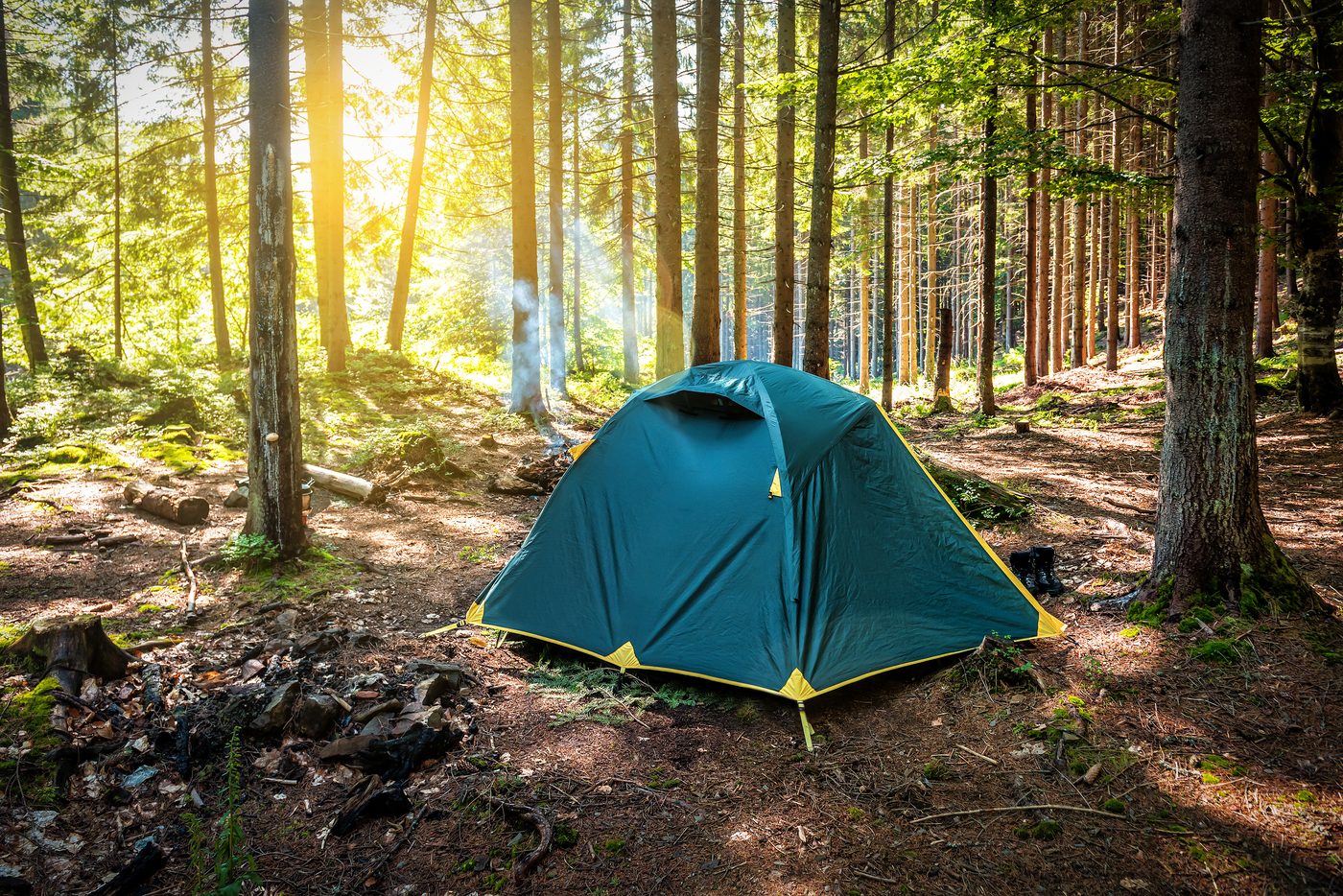
My old three-season tent was reliable but heavy enough that I'd started quietly avoiding longer backpacking trips rather than admit the weight was the real reason. Cutting nearly two pounds with the Copper Spur turned trips I'd been putting off into ones I actually planned again.
Under Three Pounds, and You Feel Every Ounce of the Difference
The two-person Copper Spur HV UL2 weighs in at under three pounds trail weight, which sounds like an abstract spec until you've actually carried it against a heavier three-season tent over consecutive backpacking days. That weight saving compounds with your food, water, and other gear across every mile, and it was the specific, deciding factor in whether certain longer routes felt genuinely reasonable to attempt versus something I kept talking myself out of because of how much my old setup weighed.
HV: Not Just Light, Genuinely Livable
The "HV" stands for High Volume, referring to Big Agnes's tent geometry that maximizes usable interior headroom and wall steepness relative to the tent's floor footprint — a real design achievement, since a lot of ultralight tents sacrifice livable space for weight savings, leaving you cramped and constantly brushing against sloped walls. This tent manages to feel genuinely roomy for two people and gear despite its minimal weight, which is the actual hard engineering problem ultralight tent design is trying to solve, not just using thinner fabric.
Two Doors and Vestibules: A Real Quality-of-Life Feature
Having independent doors and vestibules for each occupant, rather than a single shared entry, is a genuinely underrated feature until you've shared a one-door tent with a partner and dealt with someone needing to climb over the other person for a middle-of-the-night bathroom trip. Each vestibule provides separate gear storage as well, keeping muddy boots and packs out of the sleeping area without cluttering a single shared space.
Freestanding Setup and Real-World Pitching
Being fully freestanding means the tent holds its shape from the pole structure alone without requiring guylines staked into the ground to achieve its form, which matters enormously on rocky, sandy, or otherwise difficult-to-stake terrain where anchoring stakes securely is a genuine challenge. You'll still want to stake it down for wind stability and to maximize interior volume, but the ability to set it up, move it, or shake it out without needing perfect stakeable ground has been a real practical advantage on several trips with difficult terrain.
Fabric Durability: The Honest Ultralight Trade-Off
The ultralight ripstop nylon fabric, while genuinely capable and more durable than the ounce-count suggests, is thinner than the heavier fabrics used in less weight-conscious tents, and it demands more careful site selection and handling — clearing sharp debris from your tent site, being mindful of contact with rock edges — than a heavier, more bombproof three-season tent would require. This is a real, honest trade-off of the ultralight category generally, not a flaw specific to this tent, and it's worth going in with realistic expectations about the care this fabric needs versus a heavier alternative.
Who Should Buy This
If your camping is primarily car camping or short, easy-access trips where pack weight genuinely doesn't matter, a heavier, more durable, and less expensive tent will serve you just as well and hold up to more casual handling. This earns its price specifically for backpackers doing genuine multi-day trips where the cumulative weight on your back over consecutive miles is a real, felt factor in whether a trip is enjoyable or a grind.
Pros and Cons
Pros:
- Genuinely ultralight trail weight that meaningfully changes multi-day trip feasibility
- HV geometry delivers real livable interior space despite the minimal weight
- Two doors and vestibules are a genuine quality-of-life upgrade for two occupants
- Freestanding design handles difficult, hard-to-stake terrain well
Cons:
- Thinner ultralight fabric requires more careful site selection and handling
- Expensive relative to heavier, more durable three-season tents
- Overkill for casual car camping where pack weight isn't a real constraint
Frequently Asked Questions
Is this tent durable enough for regular use, or just occasional trips?
With reasonable care around site selection and handling, it holds up well to regular backpacking use, though it demands more attention to fabric protection than a heavier three-season tent would.
Do I still need to stake it down if it's freestanding?
Yes, staking is still recommended for wind stability and to achieve full interior volume, though the tent can be set up and moved without stakes on difficult terrain if needed.
Final Verdict
This tent didn't just save weight on paper — it changed which trips felt actually reasonable to plan, and that's a bigger practical impact than any single gear upgrade I've made in years of backpacking.
Rating: 9.0/10 — Light enough to make the longer trip feel possible again.