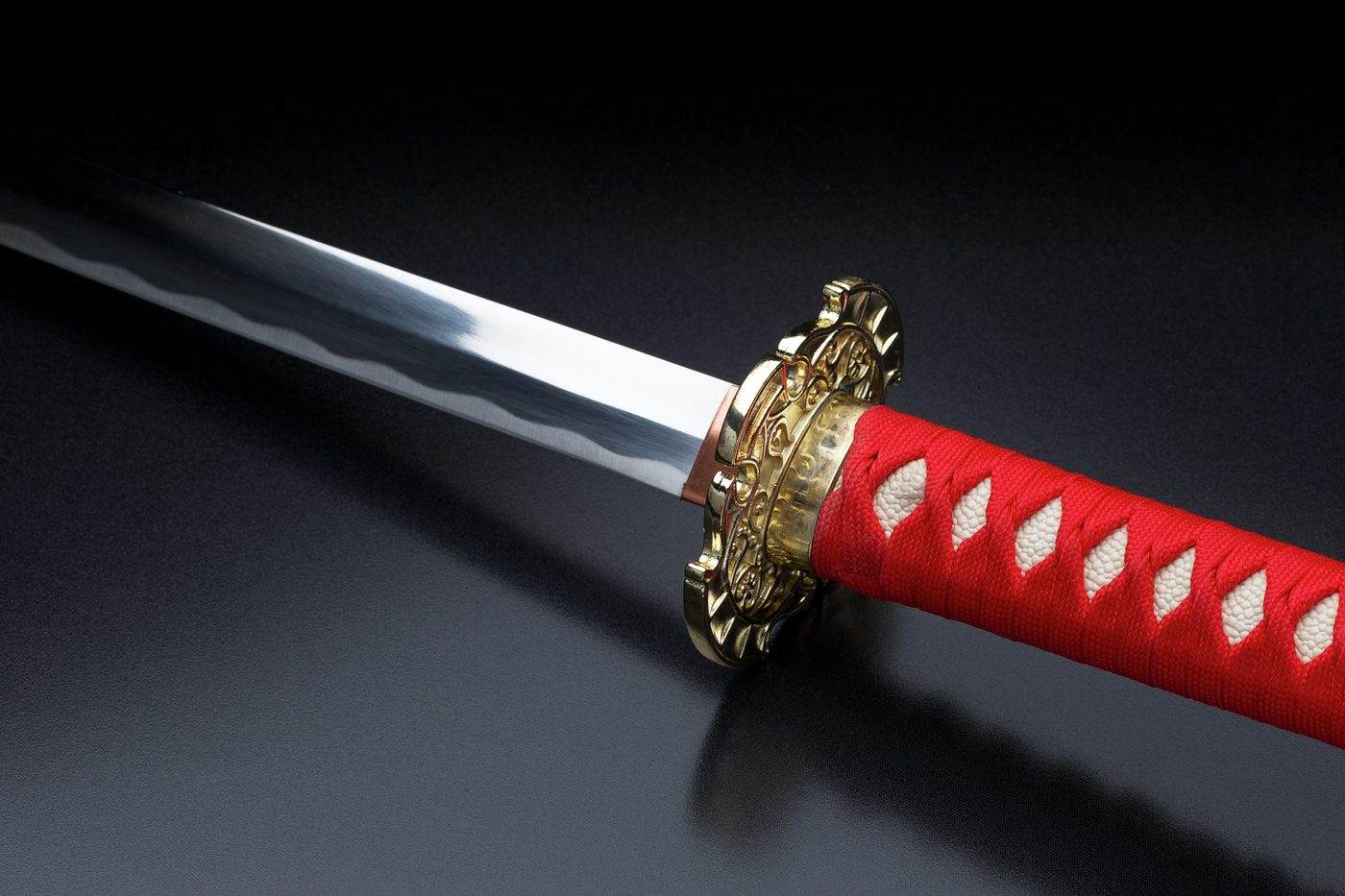
Musashi wrote this in 1645, near the end of his life, having reportedly survived over sixty actual sword duels, and unlike Sun Tzu's more abstract strategic principles, this book is genuinely rooted in the specific, literal mechanics of one man's hard-won combat experience - which is exactly why reading it as written, rather than as pure business-book metaphor, is more rewarding.
Five Books, Each With a Distinct, Specific Focus
The text is organized into five short sections - Earth, Water, Fire, Wind, and Void - each addressing a different aspect of strategy and swordsmanship, from foundational principles to specific technical fighting instruction to more philosophical reflection. This structure lets Musashi move from concrete technique to abstract principle without conflating the two, which is part of why the text has proven adaptable to readers looking for either register.
Written by Someone Who Actually Fought, Not a Theorist
Unlike many strategy texts written by advisors or scholars, Musashi composed this after an actual lifetime of literal combat, including his famous duel with Sasaki Kojiro, and the text's specificity about timing, distance, and psychological pressure in genuine physical confrontation reflects real lived experience rather than abstract theorizing. This grounding gives even his more philosophical passages a concreteness that pure theory often lacks.
The 'Void' as the Text's Most Difficult, Most Discussed Section
The final and shortest section, on the concept of Void, moves into genuinely difficult philosophical territory about transcending fixed technique and rigid thinking to achieve a kind of intuitive mastery beyond conscious calculation. This section resists easy paraphrase and is where the text's Zen Buddhist influences are most apparent, requiring real patience and likely rereading to engage with seriously.
Specific Technical Instruction, Not Just Abstract Wisdom
Much of the earlier material contains genuinely specific technical instruction about sword-fighting stances, timing, and tactics, which modern readers approaching the book purely for business or life-strategy metaphor sometimes skip past too quickly. Engaging with this concrete material, even without literal application, grounds the more abstract later sections in Musashi's actual lived expertise.
Why It Gets Applied Far Beyond Swordsmanship
Like The Art of War, this text has been widely adapted to business and personal strategy contexts, and the underlying principles about adaptability, reading an opponent's psychology, and avoiding rigid fixed patterns do transfer reasonably well beyond literal combat. Reading the original technical content alongside these broader principles, rather than skipping straight to metaphorical extraction, gives a fuller and more honest picture of what Musashi actually wrote.
Who Should Read This
Readers who appreciated The Art of War and want a complementary, more personally grounded strategic text, anyone interested in Japanese martial philosophy and history specifically, and readers willing to engage with genuinely difficult, terse philosophical material in the book's final section.
Pros and Cons
Pros:
- Grounded in genuine, specific lived combat experience rather than abstract theorizing
- The five-book structure moves usefully between concrete technique and abstract principle
- Underlying strategic principles transfer meaningfully beyond literal swordsmanship
- Short enough to reread, with new insight emerging especially from the difficult Void section
Cons:
- The Void section is genuinely difficult and resists easy paraphrase or quick reading
- Some technical sword-fighting content requires patience for readers seeking only broader strategic wisdom
Frequently Asked Questions
Is this similar to The Art of War?
Both are classic strategy texts frequently applied beyond their original combat context, but this one is more personally grounded in Musashi's own specific, literal fighting experience.
Do I need martial arts knowledge to understand this?
No, though some technical sword-fighting sections are more literal than metaphorical - the broader strategic and philosophical principles are accessible without that background.
Final Verdict
Read as what it actually is - a genuinely lived strategic testament rather than pure business-book metaphor - this remains a distinctive, hard-won complement to more abstract strategy texts like The Art of War.
Rating: 8.7/10