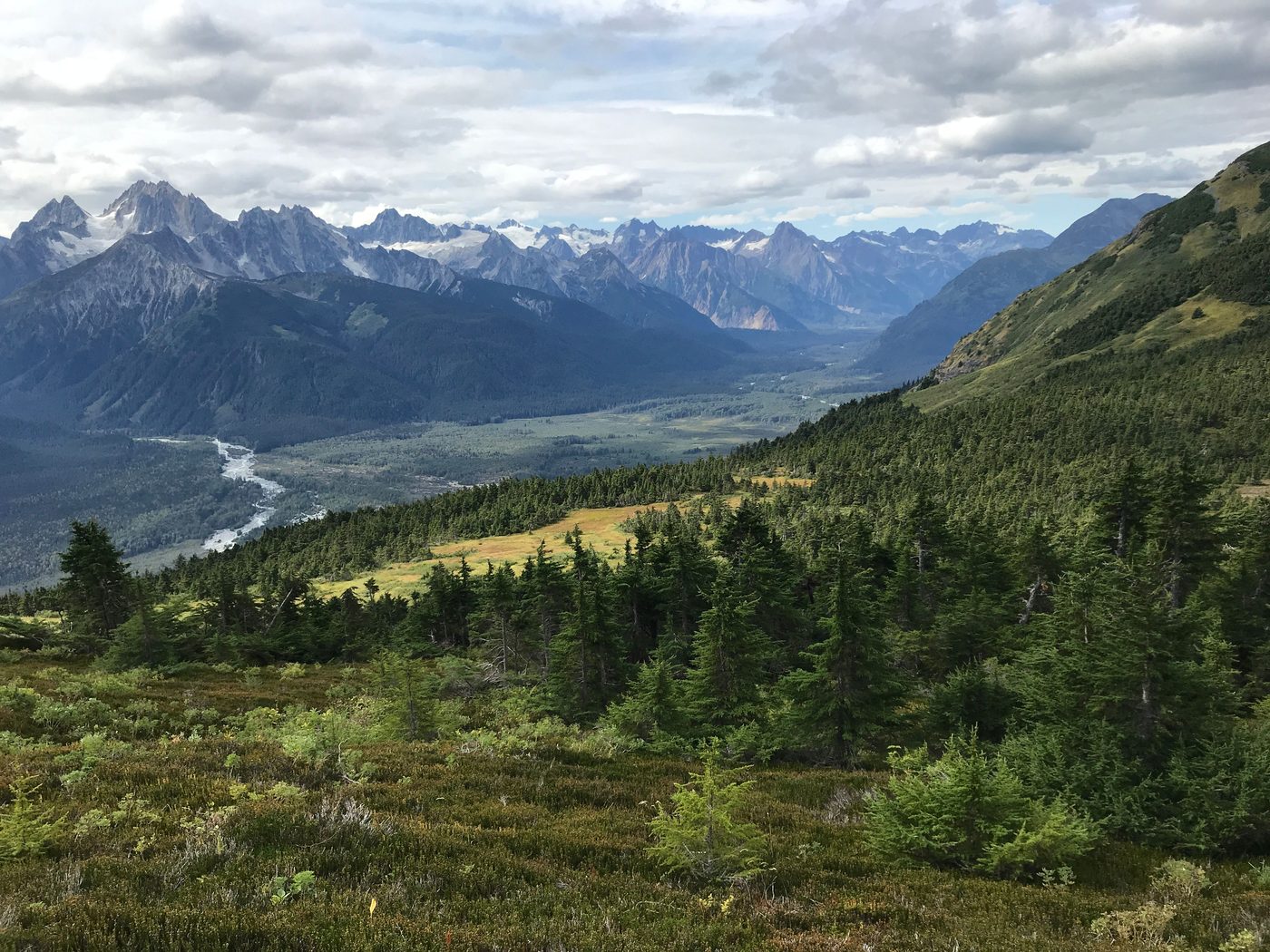
James Campbell watched his fifteen-year-old daughter Aidan come alive on a family trip to Alaska and decided, before she left for college, to take her back one more time — further, harder, and closer to genuinely dangerous than any trip before it: backpacking over the Brooks Range to the headwaters of the Hulahula River, then paddling a folding canoe to the Arctic Ocean. Braving It is the resulting memoir, praised by The New York Times as a book that “doubles as a kind of extreme parenting guide,” named a Best Book of 2017 by Outside magazine, and holding a strong 4.07 out of 5 on Goodreads from roughly 3,400 ratings. This review covers what critics actually said, the real story behind why Campbell made this specific trip, and the legitimate question several reviewers raised about whether it was actually a wise thing to do.
What Braving It Actually Is
The book tracks three real trips James Campbell took with his daughter Aidan to Alaska's Arctic National Wildlife Refuge, but the narrative spine is the third and most ambitious one, undertaken when Aidan was fifteen: a multi-week expedition backpacking across the Brooks Range, assembling a folding canoe at the headwaters of the Hulahula River, and paddling it all the way to the Arctic Ocean. Along the way, the book moves between real physical peril — grizzly encounters, river crossings, swarms of mosquitoes, unpredictable weather in genuinely remote terrain — and the more ordinary, no less difficult terrain of a father and teenage daughter renegotiating their relationship as she edges toward independence.
Campbell had already spent years writing about the Alaskan wild professionally, for outlets including Outside and National Geographic Adventure, and that reporting background shows up in the level of detail about landscape, wildlife, and survival logistics. But the book is explicitly a personal memoir first, not a straight adventure-journalism account — the emotional throughline about fatherhood and Aidan's coming independence is what critics consistently singled out as the real subject underneath the wilderness setting.
About James Campbell and Why He Wrote This
Campbell lives in Lodi, Wisconsin, and has written for Outside, National Geographic Adventure, and other outlets on wilderness and survival subjects for years. His earlier book, The Final Frontiersman, is a biography of his own cousin, Heimo Korth, who left Wisconsin in his twenties for Alaska's Arctic wilderness and became the subject of both that book and the documentary series The Last Alaskans that it later inspired. That personal, family connection to genuine Arctic survival gave Campbell both real expertise and real relationships to draw on when planning trips of his own with Aidan.
In interviews, Campbell has said the idea for the final, most demanding trip came from noticing how much the earlier, smaller Alaska trips had visibly changed Aidan — her confidence, her adaptability, her sense of what she was capable of. He's referenced how some traditional Arctic cultures built formal rites of passage specifically for daughters, not just sons, and has said that framework shaped his own thinking: a deliberate, difficult wilderness experience, undertaken together, before Aidan left home for good. He wrote the book after returning from that third trip, driven by wanting to capture both the trip itself and what it meant to watch his daughter grow into someone increasingly ready to leave him behind.
How It Compares to The Final Frontiersman
Campbell's earlier book, The Final Frontiersman, told the story of his cousin Heimo Korth's decision to live full-time, off the grid, in Alaska's Arctic wilderness with his family, and it's a useful point of comparison for readers deciding which book to start with. The Final Frontiersman is observational biography: Campbell reporting on someone else's chosen, permanent way of life from the outside, with real journalistic distance. Braving It flips that entirely into first-person memoir, with Campbell himself as a participant and his own daughter as co-protagonist, and the stakes are correspondingly more personal rather than anthropological. If The Final Frontiersman interested you in Campbell's grasp of genuine Arctic survival knowledge, Braving It is where you see him actually apply it, imperfectly and at real personal risk, rather than simply document someone else doing it.
What Critics Actually Said
Rather than inventing a verdict, here's what was actually published about it:
“Campbell expertly blends facts on the flora, fauna, and general life in the Alaskan bush with his reflections on being middle-aged, with many adventurous years behind him, as opposed to his daughter, whose quest for adventure has only just begun. Informative, humorous, and full of a love of nature.”— Kirkus Reviews
“A moving memoir . . . crisply detailed scenes stacked with rural perils and pleasures, from treacherous canoeing, solitary fly-fishing and cabin building to grizzly bear threats and emotional nuance between a very loving parent and child.”— The New York Times
That critical reception came with concrete recognition attached: the book was named a Best Book of 2017 by Outside magazine and won the Silver Medal in the Lowell Thomas Travel Journalism Award, a real, juried honor specifically for travel and adventure writing.
And the aggregate reader picture, for what it's worth:
Where Real Reviews Pushed Back
The most direct, recurring criticism isn't about the writing at all — it's a real, values-level question about judgment. As one review put it plainly, some readers will think the trip Campbell took his daughter on was “irresponsibly dangerous or just plain crazy,” and that reaction shows up repeatedly enough in reader discussion to count as a genuine, recurring critique rather than an isolated complaint. It's worth saying that Campbell himself doesn't dodge this question inside the book; the narrative includes real, uncomfortable moments of physical risk, including close grizzly encounters, and doesn't pretend the trip was low-stakes. Whether that risk reads as earned and meaningful or as excessive and self-indulgent seems to depend heavily on a reader's own comfort with wilderness risk-taking, and it's a fair thing to weigh before picking this book up, especially for readers who are themselves parents.
On Rites of Passage and What the Wild Actually Teaches
Campbell has been explicit that part of what drove the final trip was a specific cultural reference point: some traditional Arctic cultures built formal wilderness rites of passage for daughters as well as sons, and he wanted to give Aidan something functionally similar — a real, difficult, physically demanding experience she'd have to meet on her own capability, not a symbolic gesture. The book treats the wilderness less as scenery than as an actual teacher, tracking specific moments where Aidan's growing competence with a canoe paddle, a fishing line, or a map becomes inseparable from her growing sense of who she is apart from her father.
On the Push and Pull of Letting a Daughter Go
Underneath the survival narrative, Kirkus's review points at what several other critics also highlighted: Campbell's own awareness, as a middle-aged man with his most adventurous years behind him, that he's watching his daughter's independent life begin just as his own physical capacity for this kind of trip is receding. That tension — wanting to protect her instincts while also needing to let her test them without him — is what makes the book read, in the Times' words, like an extreme parenting guide as much as an adventure narrative.
Key Takeaways
- Braving It documents three real Alaska trips Campbell took with his daughter Aidan, centered on a demanding Brooks Range-to-Arctic-Ocean expedition when she was fifteen
- The book won a real, juried honor -- the Silver Medal in the Lowell Thomas Travel Journalism Award -- and was named a 2017 Best Book by Outside magazine
- Campbell has cited traditional Arctic rite-of-passage customs as a direct influence on why he planned the trip the way he did
- A real, recurring reader criticism questions whether the trip's physical risk to a teenager was justified -- a values question, not a writing-quality complaint
- Campbell's cousin Heimo Korth, subject of his earlier book The Final Frontiersman, gave him direct family expertise in genuine Arctic survival
Who This Book Is Actually For
Readers who want a real, physically detailed wilderness adventure memoir grounded in an honest, complicated parent-child relationship, rather than a tidy inspirational narrative. It particularly suits parents of teenagers and readers drawn to genuine, high-stakes outdoor writing over a more comfortable, low-risk nature memoir. Anyone who has ever watched a child grow into someone increasingly capable of leaving will likely recognize the specific ache Campbell keeps circling back to, even without ever having set foot in Alaska themselves.
Who Should Read Something Else Instead
If you find real physical risk to a minor genuinely upsetting to read about, the criticism above is worth taking seriously before you start -- this isn't a book that minimizes danger for effect. Readers who want the wilderness-writing craft without that specific tension might prefer a straightforward nature or survival narrative instead.
Pros and Cons
Pros:
- Real, juried recognition -- a Lowell Thomas Travel Journalism Award Silver Medal and an Outside magazine Best Book of 2017 honor
- Strong, specific praise from both Kirkus and The New York Times for its blend of nature writing and emotional depth
- Genuinely detailed, expert-level wilderness and survival writing, grounded in Campbell's professional outdoor journalism background
- An honest, complicated portrait of fatherhood rather than a sanitized inspirational arc
- Strong 4.07 out of 5 rating across roughly 3,400 Goodreads ratings
Cons:
- A real, recurring reader question about whether the physical risk to a fifteen-year-old was justified
- Assumes reader comfort with genuine wilderness danger rather than softening it for a broader audience
- Less approachable for readers who want outdoor writing without real, sustained physical stakes
Frequently Asked Questions
Is Braving It a true story?
Yes -- it's a nonfiction memoir. James Campbell took his teenage daughter, Aidan, on three real trips to the Arctic National Wildlife Refuge in Alaska, culminating in a backpacking and canoeing expedition over the Brooks Range to the Arctic Ocean.
What's the real Goodreads rating?
4.07 out of 5 from roughly 3,400 ratings as of this writing. Check the live number yourself since it will keep moving.
Did the book win any real recognition?
Yes -- it was named a Best Book of 2017 by Outside magazine and won the Silver Medal in the Lowell Thomas Travel Journalism Award, real documented recognition beyond its strong reader reception.
Was it reckless to take a teenager on this trip?
It's a fair, recurring question, and reviewers have raised it directly -- one review noted plainly that some parents will think the trip was irresponsibly dangerous. Campbell doesn't dodge the risk in the book either; grizzly encounters and genuine physical danger are part of the narrative, not glossed over.
Sources & Further Reading
- Goodreads — Braving It (aggregate rating, reader reviews)
- Kirkus Reviews — review
- The New York Times — review
- WTTW — “'Braving It' Tells Father-Daughter Adventure in Alaskan Wilderness”
- The Capital Times — Q&A with James Campbell and Aidan Campbell
- PositiveLifes.com — free inspirational and life-changing PDF books
Final Verdict
Braving It backs up its strong critical reception with real, juried recognition and a genuinely detailed, honestly told account of a wilderness trip most parents wouldn't attempt. The recurring reader question about whether the risk was justified is legitimate and worth sitting with, but it's also part of what makes the book feel real rather than sanitized. For readers drawn to high-stakes outdoor writing paired with an honest, unresolved portrait of fatherhood, this delivers exactly that.
Buy Day rating: 8.3/10