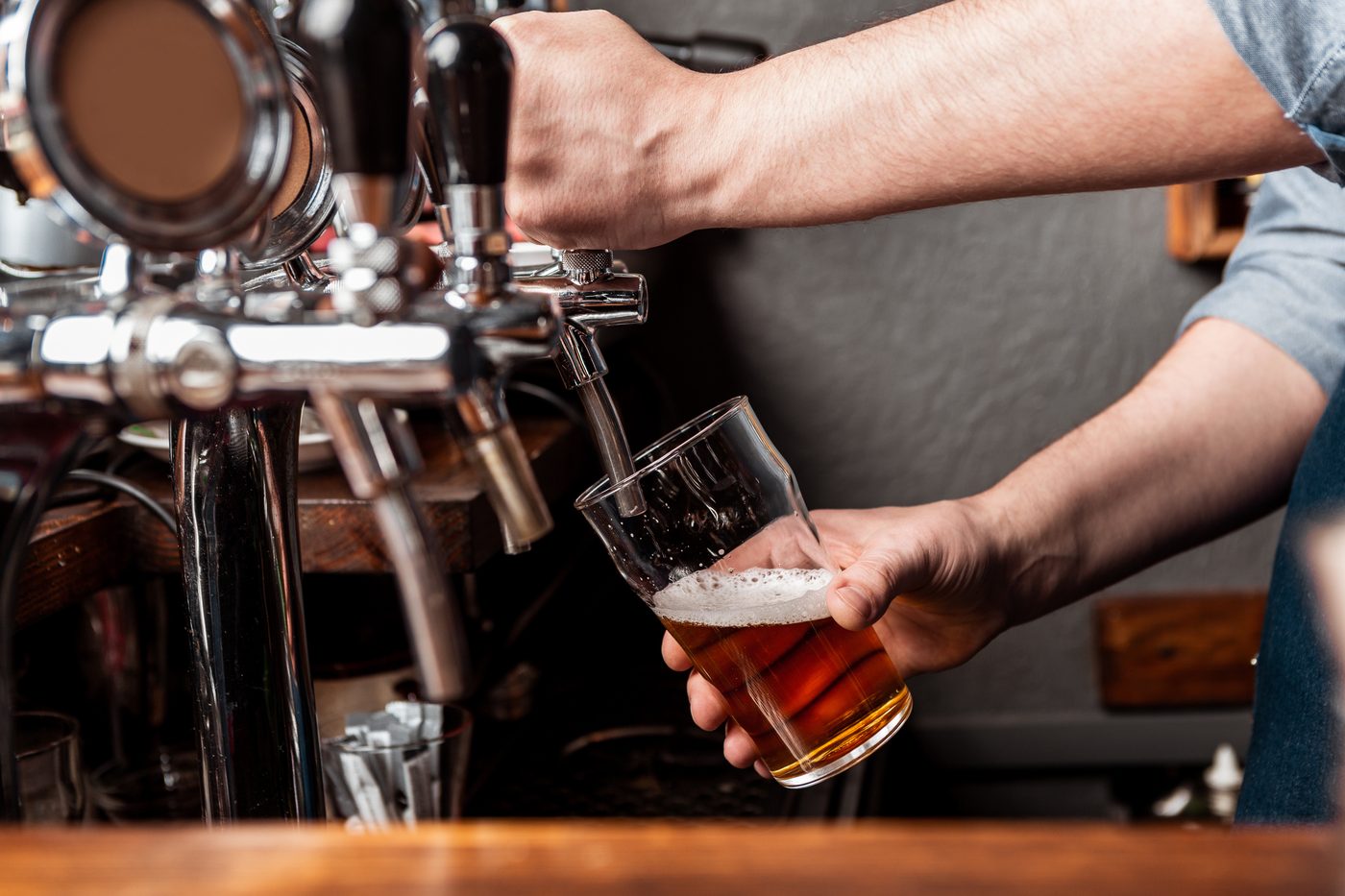
I did the math after a friend's kegerator party once — a full keg works out to roughly the cost of a case and a half of the same beer in cans, dispensed properly cold and carbonated. Owning one myself for a year has more than justified the math, and it's become the actual center of how we host now.
Full-Size Keg Capacity, Not a Mini-Keg Novelty
This is an important distinction in the kegerator category: cheaper "kegerators" sold at big box stores are often designed around small 5-liter party kegs or mini kegs that hold roughly the equivalent of a 12-pack, which changes the economics entirely and defeats the actual point of owning one. The KC7000SS is built to fit full-size commercial kegs — quarter barrel, half barrel (the standard full keg), and slim quarter kegs — which is where the real cost-per-pour savings versus buying packaged beer actually shows up. Check your keg size compatibility carefully before buying any kegerator; this distinction alone determines whether the purchase makes financial sense.
Dual Tap for Actual Variety
Two independent taps mean two different beers on draft simultaneously, which sounds like a minor feature until you're actually hosting and realize half your guests want a lager and half want an IPA. Each tap has its own regulator, so you can run different beer styles requiring different carbonation levels (a nitro stout versus a standard lager, for instance) without compromise — a real functional advantage over single-tap units at a similar price point.
Digital Temperature Control and Consistency
The digital thermostat holds a genuinely consistent temperature, which matters more for beer than people expect — temperature swings cause foaming issues and inconsistent pours, the single most common complaint with cheaper kegerators that use less precise mechanical dials. I've had far fewer foam-heavy pours with this unit than with a friend's cheaper model, and consistent cold temperature is also simply what makes draft beer taste the way it's supposed to compared to a warmer pour.
CO2 System and the Ongoing Cost Reality
The unit includes a CO2 tank, regulator, and standard hardware to get a keg tapped and pouring, but budget for CO2 refills as an ongoing cost — usually a modest amount every few kegs depending on pour frequency, but it's a real recurring expense worth factoring into your total cost-per-pour math rather than just the keg price alone. Regulator adjustment for proper carbonation takes a little trial and error the first few times, particularly if you're switching between beer styles that want different PSI settings.
Build Quality and Noise
The stainless steel exterior looks genuinely good in a kitchen or bar area rather than looking like a garage appliance, and the compressor is reasonably quiet for a full-size cooling unit. It does need adequate clearance for ventilation like any compressor-based cooler, and it's a genuinely heavy, bulky appliance to move once a full keg is loaded inside — plan its final location carefully before installation rather than expecting to reposition it easily afterward.
The Actual Math
A domestic half-barrel keg holds the equivalent of roughly 165 twelve-ounce pours, and at typical keg pricing that consistently works out to a meaningfully lower cost per beer than buying the same volume in cans or bottles, sometimes by half or more depending on the brand and your local keg pricing. The kegerator itself takes a number of kegs to pay off the upfront cost versus buying packaged beer, but for households or regular entertainers who go through beer at a steady clip, that breakeven point arrives faster than most people expect, and everything poured after that is a genuine, ongoing saving.
Who Should Skip This
If you drink beer occasionally rather than regularly, or you rotate through many different craft styles rather than sticking with a couple of favorites long enough to finish a keg before it goes flat, this won't make financial sense — a keg that goes stale before you finish it erases any savings entirely. This is built for steady, predictable beer drinkers and regular hosts, not occasional or highly variety-driven drinkers.
Pros and Cons
Pros:
- Fits full-size commercial kegs, where the real cost savings actually happen
- Dual tap allows two different beer styles on draft at once
- Digital temperature control delivers consistent, low-foam pours
- Genuine long-term cost savings for regular beer drinkers and hosts
Cons:
- Ongoing CO2 refill costs add to the total cost of ownership
- Heavy and difficult to reposition once a keg is loaded
- Only makes financial sense if you finish kegs before they go flat
- Needs proper ventilation clearance like any compressor cooling unit
Frequently Asked Questions
What size kegs does this fit?
It's built for full-size quarter barrel, half barrel, and slim quarter kegs — always confirm exact keg dimensions with your local supplier before buying, since keg sizing can vary by brand and region.
How long does a tapped keg stay fresh?
Properly pressurized and kept cold, a tapped keg typically stays fresh for several weeks to a couple of months, though this varies by beer style and how consistently it's kept under CO2 pressure.
Final Verdict
This isn't an impulse purchase — it only makes sense once you've actually run the math on how much beer you go through. For anyone who has, and drinks consistently enough to keep a keg from going flat, the savings and the upgrade in pour quality are both real.
Rating: 8.6/10 — I genuinely do the math every time I pour a glass, and it still checks out.