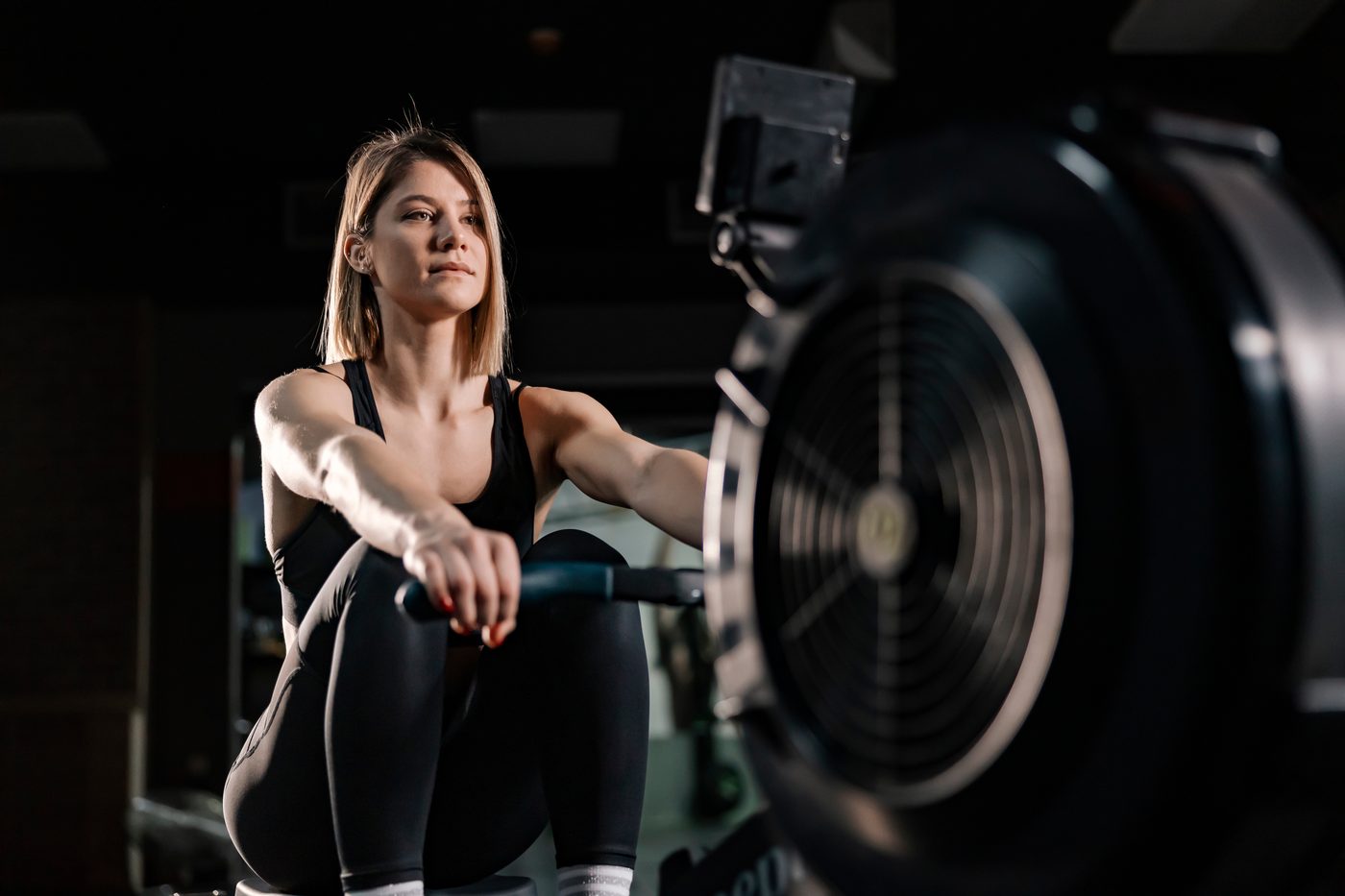
I wanted a rowing machine for two years and kept talking myself out of it because a full-size rower simply doesn't fit in my apartment's available space, even accounting for the fact that most fold up. The Wave's genuinely smaller footprint is the specific reason I finally have one at all.
Built Smaller From the Ground Up, Not Just a Folded Full-Size Rower
Unlike a full-size rower that folds for storage but still needs real floor space to actually use during a workout, the Hydrow Wave is engineered with a genuinely shorter rail and more compact overall footprint designed specifically for smaller living spaces, both in active use and storage. This is a real, deliberate design tradeoff, not just a scaled-down version of the flagship Hydrow — understanding that distinction matters for setting the right expectations before buying.
The Real Tradeoff: Stroke Length for Taller Users
Being honest about the actual compromise here: the shorter rail means genuinely taller users (above roughly 6'1" or so, depending on individual proportions) may find their stroke length somewhat more constrained compared to a full-size rower, which affects the completeness of the rowing motion at full extension. If you're a taller, serious rower prioritizing the most complete possible stroke, the full-size Hydrow or a different full-length rower would serve that specific need better; this is the genuine tradeoff you're making for the smaller footprint.
Live and On-Demand Classes: The Same Core Hydrow Experience
Despite the smaller hardware, the Wave gives full access to Hydrow's actual content library — live and on-demand rowing classes filmed on real water with real instructors, which is the feature that's genuinely kept me engaged in a way a purely numbers-on-a-screen rowing machine never managed for me previously. The immersive, scenic on-water filming combined with real instructor coaching has made rowing sessions something I actually look forward to rather than a chore to push through.
Screen and Interface
The built-in screen is smaller than the flagship Hydrow's display, which is a real, noticeable difference during use, though it remains clear and functional for following class instruction and metrics. If display size and immersion during classes is a top priority for you specifically, this is a genuine, real tradeoff versus the larger flagship model, worth seeing in person or via detailed video review before committing if that's a priority.
Resistance and Workout Quality
The electromagnetic resistance system delivers a smooth, quiet rowing feel that's genuinely comparable to the flagship model despite the smaller footprint — this is one area where Hydrow didn't meaningfully compromise to hit the smaller size, and the actual pull-and-catch feel during a stroke has felt consistent with rowing on the full-size machine I'd tried previously at a friend's house.
The Subscription Reality
As with other connected fitness equipment in this category, accessing the live and on-demand class library requires an ongoing membership subscription beyond the hardware purchase, and this is a real, recurring cost that should factor into your total budget. Without the subscription, you're left with a rowing machine that tracks basic metrics but loses the actual class content that's the main differentiator over a simpler, cheaper standalone rower.
Storage and Footprint in Practice
The Wave does fold and can be stored more easily against a wall than most full-size rowers, and in my actual apartment, it genuinely fits in a spot where a full-size machine's footprint simply wouldn't work even folded. This real, practical space difference is the entire reason I have a rowing machine at all rather than continuing to put off the purchase indefinitely.
Who Should Buy This
If you have ample space for a full-size rower and are a taller user prioritizing complete stroke length, the flagship Hydrow or another full-length rower will serve you better. This earns its place specifically for space-constrained homes and apartments where a full-size rower genuinely isn't feasible, and where the smaller footprint is the deciding factor between owning a rower at all or not.
Pros and Cons
Pros:
- Genuinely smaller footprint designed for real space constraints, not just a folding gimmick
- Full access to Hydrow's immersive live and on-demand class library
- Smooth electromagnetic resistance comparable to the flagship model's rowing feel
- Made rowing at home genuinely enjoyable rather than a chore to push through
Cons:
- Shorter rail meaningfully constrains stroke length for taller users
- Smaller screen than the flagship model reduces class immersion somewhat
- Requires an ongoing subscription for full access to the class library, a real added cost
Frequently Asked Questions
Is the Wave a good fit for taller users?
Users above roughly 6'1" may find the shorter rail constrains their full stroke length somewhat - the full-size Hydrow is a better fit for taller, serious rowers prioritizing complete stroke extension.
Do I need the subscription to use this rower?
Basic tracking works without it, but the live and on-demand class library, which is the main differentiator over a cheaper standalone rower, requires an active subscription.
Final Verdict
This didn't just give me a rowing machine with a slightly smaller footprint - it gave me a rowing machine at all, in a space where the full-size version simply was never going to work.
Rating: 8.8/10 — The rower that fit my actual apartment, not just my wish list.