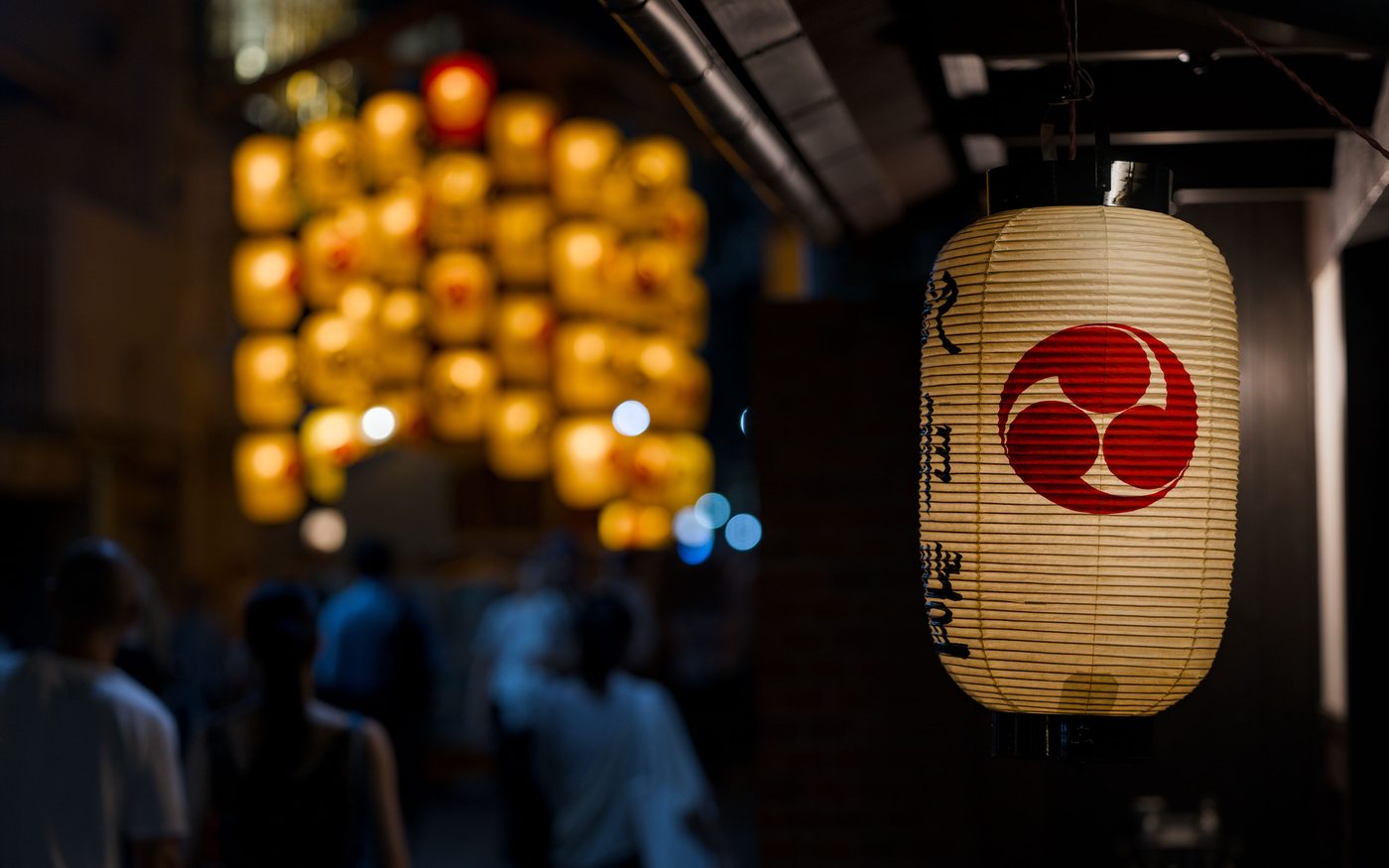
Arthur Golden spent six years writing Memoirs of a Geisha, a first-person novel narrated by a fictional geisha named Sayuri, before publishing it in 1997 to become a two-year New York Times bestseller and, in 2005, a major Sony Pictures film. Behind the book's success sits a real, documented controversy: Mineko Iwasaki, one of the actual former geisha Golden interviewed while researching the novel, sued him for ten million dollars in 2001, arguing he'd broken a confidentiality agreement by naming her and drawing too directly on her private life. This review works through what the novel actually is, the real critical praise it earned, the real Goodreads numbers nearly three decades later, and the genuine, sourced controversy over how accurately -- and how ethically -- it was researched.
What Memoirs of a Geisha Actually Is
The novel is narrated by Sayuri, a fictional woman recalling, from later in life, how she was sold as a child by her impoverished fishing-village family into a geisha house in Kyoto's Gion district in the 1930s. It follows her training in the traditional arts of geisha life -- dance, music, conversation, the elaborate rituals around dress and makeup -- her rivalry with another geisha in the house, and her complicated relationships with the men whose patronage determined a geisha's status and income, against the backdrop of Japan's transformation through World War II. Golden frames the whole book as though it were a genuine translated memoir, complete with a fictional foreword from an academic "translator," a device that convinced many early readers the story was more directly autobiographical than it actually was.
That framing device is central to understanding both why the novel worked so well as fiction and why it eventually became controversial: Golden built the illusion of authenticity deliberately, drawing heavily on real interviews with an actual former geisha, then presented the result as fiction narrated in a memoir's voice. Readers who came away believing they'd read something close to nonfiction weren't entirely wrong to feel that way -- that was the intended effect.
About Arthur Golden and Why He Wrote This
Golden studied art history at Harvard with a focus on Japanese art, earned a master's degree in Japanese history from Columbia, spent a summer at Beijing University studying Mandarin, worked in Tokyo, and later earned a second master's degree in English from Boston University. While in Japan, he met a man whose mother had been a geisha, and the idea stuck with him as material that might work well as a novel. When he began researching seriously, he interviewed several people connected to the geisha world in Kyoto, including Mineko Iwasaki, a well-known former geisha who agreed to speak with him at length about her life and training.
Golden has described his six years of work on the manuscript as an attempt to render a closed, largely undocumented world -- one governed by strict codes of conduct and secrecy even among Japanese readers -- accessible to an English-language audience through a single, sustained fictional voice. What he didn't fully anticipate, based on how the aftermath played out, was how directly some readers and at least one key source would connect his invented narrator to the real woman whose life had shaped so much of the novel's texture.
What Critics Actually Said
The novel's critical reception on release was strong, and the praise has held up over nearly three decades:
“Rarely has a world so closed and foreign been evoked with such natural assurance.”— The New Yorker
It was named a New York Times Notable Book of 1997, spent roughly two years on the New York Times bestseller list, and has been translated into more than 30 languages, an unusually long and wide run for a debut literary novel. The 2005 film adaptation, directed by Rob Marshall, brought the story to an even wider audience, though the film itself drew its own separate wave of criticism, including in Japan, over its casting of Chinese actresses in the lead Japanese roles.
And the aggregate reader picture, for what it's worth:
Where Real Reviews Pushed Back
The most serious, well-documented criticism of this book isn't about its prose but about how it was made. Mineko Iwasaki, the real former geisha Golden interviewed extensively, has said she agreed to speak with him only on the condition of complete anonymity for herself and her family. Golden instead thanked her by name in the book's acknowledgments, writing that he was "indebted to one individual above all others... Mineko." Iwasaki sued Golden and his publisher in 2001 for ten million dollars, alleging defamation, breach of contract, and copyright violations, and specifically objected to how closely some of the novel's characters and events echoed private stories she says she shared with him in confidence. The case never went to trial; it was settled out of court in 2003, reportedly with Iwasaki receiving damages, and she published her own memoir, released as Geisha of Gion in the UK and Geisha: A Life in the US, the following year to give her own account directly.
Separately, and more broadly, the novel has been criticized by scholars and some Japanese readers for blurring the historical line between geisha and prostitutes -- a distinction that was legally and professionally real in Japan -- in a way critics describe as reinforcing an exoticized, Orientalist stereotype of Japanese women for a largely Western readership. The book and its film adaptation were both received more skeptically in Japan than in the United States, a gap in reception that's been documented in coverage of the film's Tokyo premiere.
On Nyotaimori of Gion and the World the Novel Recreates
Whatever the accuracy debates, the novel's depiction of Gion's rituals -- the elaborate dressing process, the strict hierarchy between an established geisha and her apprentice, the formalized rivalry and patronage systems that determined a geisha's entire livelihood -- is drawn from real interviews and real historical research, even if the overall picture critics say tilts toward drama over documentary precision. Golden's academic background in Japanese art and history is evident in the level of physical and cultural detail, even where his specific characterizations of consent, sexuality, and status have been challenged as inaccurate by people who actually lived that world.
How It Compares to Snow Flower and the Secret Fan
Lisa See's Snow Flower and the Secret Fan, published eight years later, covers similarly closed, historically under-documented territory -- women's secret lives in a restrictive society -- but See, unlike Golden, drew on her own extended family history and conducted her research with far less of the confidentiality controversy that followed Golden's book. If the ethics of Golden's research process bother you, Snow Flower and the Secret Fan tackles comparable ground -- female friendship and survival inside a rigid, patriarchal social system -- without the same documented dispute over sourcing.
Key Takeaways
- Golden spent six years researching and writing the novel, drawing heavily on interviews with real former geisha, including Mineko Iwasaki
- Iwasaki sued Golden for ten million dollars in 2001 over broken confidentiality, and the case settled out of court in 2003
- The novel was a New York Times Notable Book, a roughly two-year bestseller, and has sold across more than 30 languages
- Historians and Iwasaki herself have criticized the book's blurring of the real, legally distinct line between geisha and prostitutes
- The book and its 2005 film were received noticeably more skeptically in Japan than in the United States
Who This Book Is Actually For
Readers who want an immersive, richly detailed historical novel about a closed world, and who are comfortable holding two things at once -- genuine literary craft alongside a real, documented ethical controversy over how that craft was researched.
Who Should Read Something Else Instead
If the sourcing controversy is a dealbreaker for you, Mineko Iwasaki's own memoir, Geisha: A Life, tells her actual story in her own words; readers wanting comparable historical fiction about women's lives under restrictive social systems, researched without a lawsuit attached, might prefer Lisa See's Snow Flower and the Secret Fan instead.
Pros and Cons
Pros:
- Genuine New York Times Notable Book status and roughly two years on the bestseller list
- Real praise from The New Yorker for its immersive, closely observed depiction of a closed world
- Exceptionally large 4.16 out of 5 rating across more than 2.1 million Goodreads ratings, nearly three decades after publication
- Deeply researched period and cultural detail from an author with real academic grounding in Japanese art and history
- Adapted into a major, widely seen 2005 film that introduced the story to an even larger audience
Cons:
- A real lawsuit from Golden's key source, Mineko Iwasaki, over broken confidentiality is a documented, unresolved shadow over how the book was researched
- Historians and Iwasaki herself have criticized its blurring of the real distinction between geisha and prostitutes
- Received a noticeably cooler reception among Japanese readers and critics than among Western ones
Frequently Asked Questions
Is Memoirs of a Geisha based on a real geisha's life?
It's loosely inspired by interviews Arthur Golden conducted with Mineko Iwasaki, a real, well-known former geisha, but it's a work of fiction, not a biography. Iwasaki later said Golden broke a confidentiality agreement by naming her in the acknowledgments and sued him; the case settled out of court in 2003.
Did the real geisha who inspired the book actually sue the author?
Yes. Mineko Iwasaki filed a lawsuit against Golden and his publisher in 2001 for defamation, breach of contract, and copyright issues, seeking ten million dollars. She said she'd agreed to be interviewed only on condition of anonymity, and that Golden violated that by crediting her by name. The case was settled out of court in 2003, and Iwasaki published her own memoir soon after.
What's the actual Goodreads rating?
4.16 out of 5 from more than 2.1 million ratings as of this writing, per Goodreads -- one of the largest rating counts of any literary novel from the 1990s, reflecting nearly three decades of steady readership.
Is the book historically accurate about geisha culture?
Not entirely, and this is a real, documented point of criticism. Historically, geisha and prostitutes were legally and professionally distinct roles in Japan, and Iwasaki and other critics have said the novel blurs that line in ways that reinforce an inaccurate, exoticized stereotype -- one reason the book and its 2005 film adaptation were received more skeptically in Japan than in the United States.
Sources & Further Reading
- Goodreads — Memoirs of a Geisha (aggregate rating, reader reviews)
- The New Yorker (publisher jacket quote)
- ABC News — "'Geisha' Author and Publisher Sued"
- The Japan Times — "'Memoirs of a Geisha' muse vents spleen at author"
- Wikipedia — Mineko Iwasaki biography and lawsuit summary
- PositiveLifes.com — free inspirational and life-changing PDF books
Final Verdict
Memoirs of a Geisha earns its place as a genuine literary phenomenon -- a two-year bestseller, a New York Times Notable Book, and one of the highest Goodreads rating counts of any 1990s novel. But the real lawsuit from Golden's own key source is not a minor footnote; it's a documented, settled dispute over whether the book's most vivid material was obtained honestly. Read it for the craft, which is real, and go in aware of the controversy, which is also real.
Buy Day rating: 8.4/10