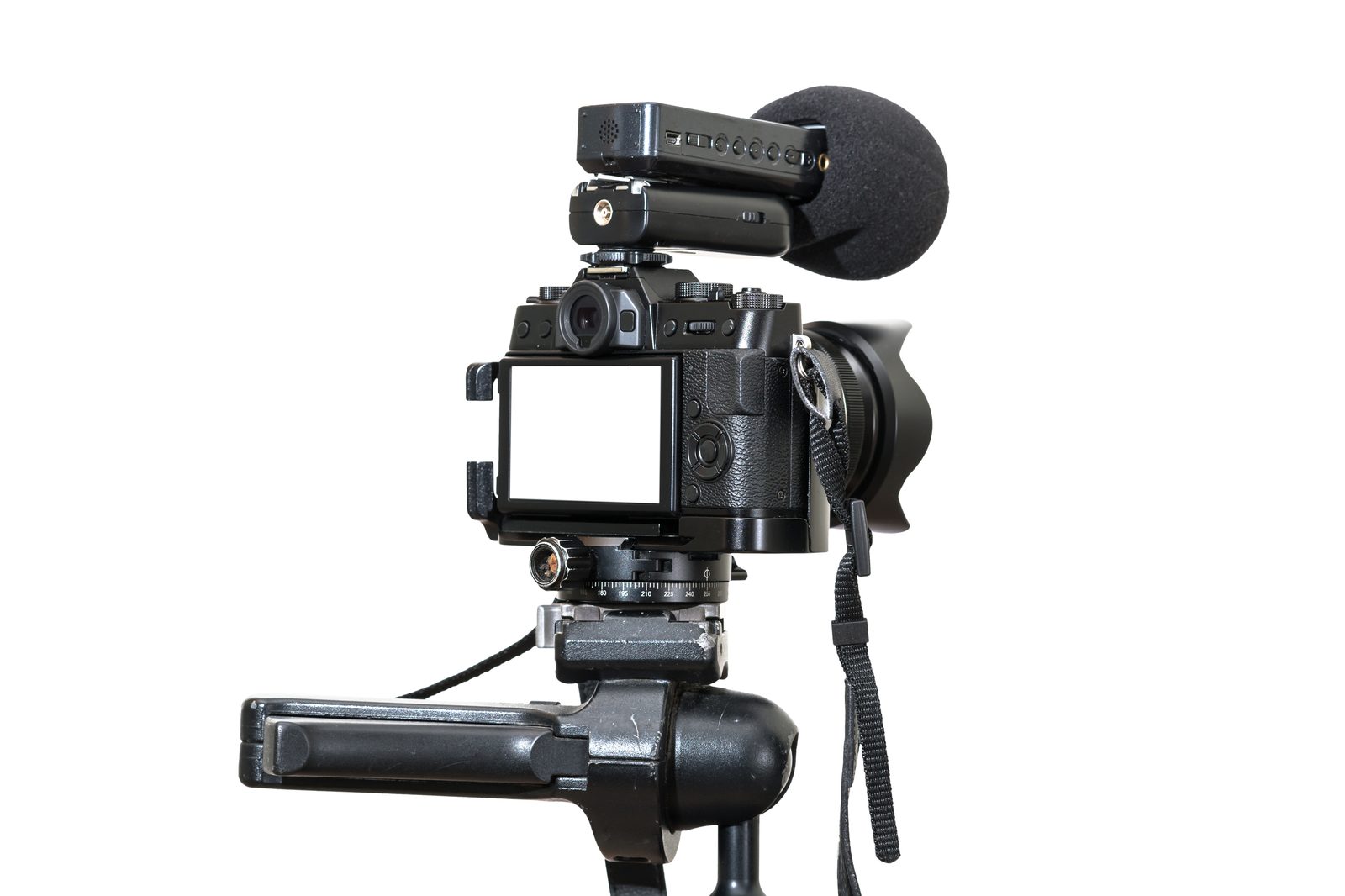
There is a very small category of gear where the price tag isn't really the point, because the people buying it have already run the math a dozen times before they call their rep. The Phase One XF IQ4 150MP camera system is in that category. It is not a camera for people who love cameras. It's a camera for people who bill clients by the shoot and need every pixel to hold up on a 40-foot billboard.
What You're Actually Paying For
Let's get the number out of the way, because it colors everything else in this review. A fully kitted XF IQ4 150MP body, digital back, and a single lens runs somewhere between $46,000 and $54,000 depending on configuration. That's not a typo, and it's not a "premium" version of a normal camera the way a Canon R5 Mark II is a premium version of an R10. It's a different tool built for a different job entirely.
What you're paying for is a 53.4 x 40 mm CMOS sensor — physically enormous compared to full frame — delivering 151 megapixels of real, uncompressed detail, along with a modular body that studio photographers can reconfigure between tethered product shoots, location work, and even Phase One's XT technical camera platform. I spent several weeks with a loaner unit shooting a mix of studio product work and landscape tests, and the thing that struck me most wasn't the resolution number. It was how differently the whole system behaves compared to a mirrorless body you'd buy at a big box store.
The Sensor Is the Whole Story
Every conversation about this camera eventually comes back to the sensor, because it should. At 151 megapixels across that much physical area, the pixel pitch is actually larger than most 45-50MP full-frame sensors, which means individual photosites are gathering more light per pixel even as the total resolution goes up. In practice that translates to a dynamic range Phase One rates north of 15 stops, and shadow recovery that genuinely embarrassed a full-frame body I brought along for comparison on an overcast studio day.
Color depth is where medium format earns its reputation, though. Skin tones in fashion and beauty work render with a subtlety that's hard to describe until you've pushed a file around in Capture One and watched how gracefully it handles gradients that would band or clip on a smaller sensor. If you shoot catalog work, jewelry, or anything where a client is going to zoom to 400% and complain about a highlight, this is where the extra zeros in the price start making sense.
Built for a Workflow, Not Just a Shoot
What surprised me most is how much of the XF IQ4's value is in software and workflow, not just glass and silicon. Capture One is baked directly into the back — you can review, cull, and even apply styles in-camera on the touchscreen before a single file hits a laptop. On a tethered set, images land in Capture One on the connected machine within a second or two of the shutter firing, which matters enormously when an art director is standing behind you making calls in real time.
The IQ4 back also introduced Phase One's Frame Averaging and Long Exposure modes, letting the sensor behave almost like dedicated astro or architectural gear when you need it to. It's the kind of feature you'd never think to ask for until you're on a twilight exterior shoot and realize the camera just solved a problem that used to require a separate rig.
Handling and Real-World Use
This is not a camera you sling around a city for a day of street photography, and Phase One doesn't pretend otherwise. The body is substantial — noticeably heavier than a pro DSLR — and it rewards a tripod, a studio, or at minimum a very deliberate shooting pace. Autofocus is competent but not built for sports or wildlife; this system is about precision and repeatability, not speed.
Battery life is solid for a digital back of this complexity, and the modular design means a scratched or aging lens mount, viewfinder, or back can be swapped independently rather than sending the whole system in for service. For studios that have invested in the ecosystem over multiple camera generations, that modularity is a real cost-saver over a decade of use, even if the up-front number is eye-watering.
Who This Camera Is Actually For
Be honest with yourself here. If you're weighing this against a Sony A1 II or a Fujifilm GFX system for personal work, the Phase One almost certainly isn't the right call — you'll spend the difference on lenses that get you 90% of the visual result for a fraction of the outlay. This system makes sense for working commercial photographers whose clients specifically require medium-format files, fine-art photographers producing large-format prints for gallery sale, and studios where the camera pays for itself across a handful of ad campaigns.
I'd also point it at architectural and interior photographers using the XT technical camera configuration, where the combination of resolution and Phase One's tilt-shift-capable lens options solves real perspective problems that no amount of software correction fully replicates.
Pros and Cons
Pros:
- 151MP sensor delivers dynamic range and color depth that full-frame systems can't match
- Capture One integration streamlines tethered commercial workflows dramatically
- Modular body/back/lens system protects your investment across camera generations
- Frame Averaging and long-exposure modes add genuine creative flexibility
- Files hold up at billboard and large-format print scale in a way few systems can
Cons:
- The price puts it firmly out of reach for anyone without a commercial use case
- Autofocus and burst shooting lag well behind modern mirrorless systems
- Heavy, tripod-friendly body isn't built for spontaneous or fast-moving shoots
- Lens ecosystem is smaller and considerably pricier than full-frame alternatives
Frequently Asked Questions
Is the Phase One XF IQ4 150MP worth it over a Fujifilm GFX system?
If your business genuinely requires medium format, the two systems serve different tiers of the market. GFX bodies get you into medium format resolution at a fraction of the cost; the Phase One system is built for studios that need the modularity, the Capture One integration, and the absolute ceiling on image quality that commercial clients sometimes contractually require.
Can this camera be used handheld?
Yes, though it's happiest on a tripod or studio stand. Handheld shooting is workable for location and lifestyle work, but the weight and deliberate operating style make it a poor fit for fast, run-and-gun shooting.
Final Verdict
The Phase One XF IQ4 150MP isn't trying to win a spec sheet argument against your favorite mirrorless camera, and comparing it that way misses the point entirely. It's a working tool for a specific tier of commercial and fine-art photography where resolution, color fidelity, and workflow integration directly translate into billable results. For that narrow but real audience, it earns every dollar.
Rating: 9.3/10 — The undisputed reference point for medium format commercial photography, priced accordingly.