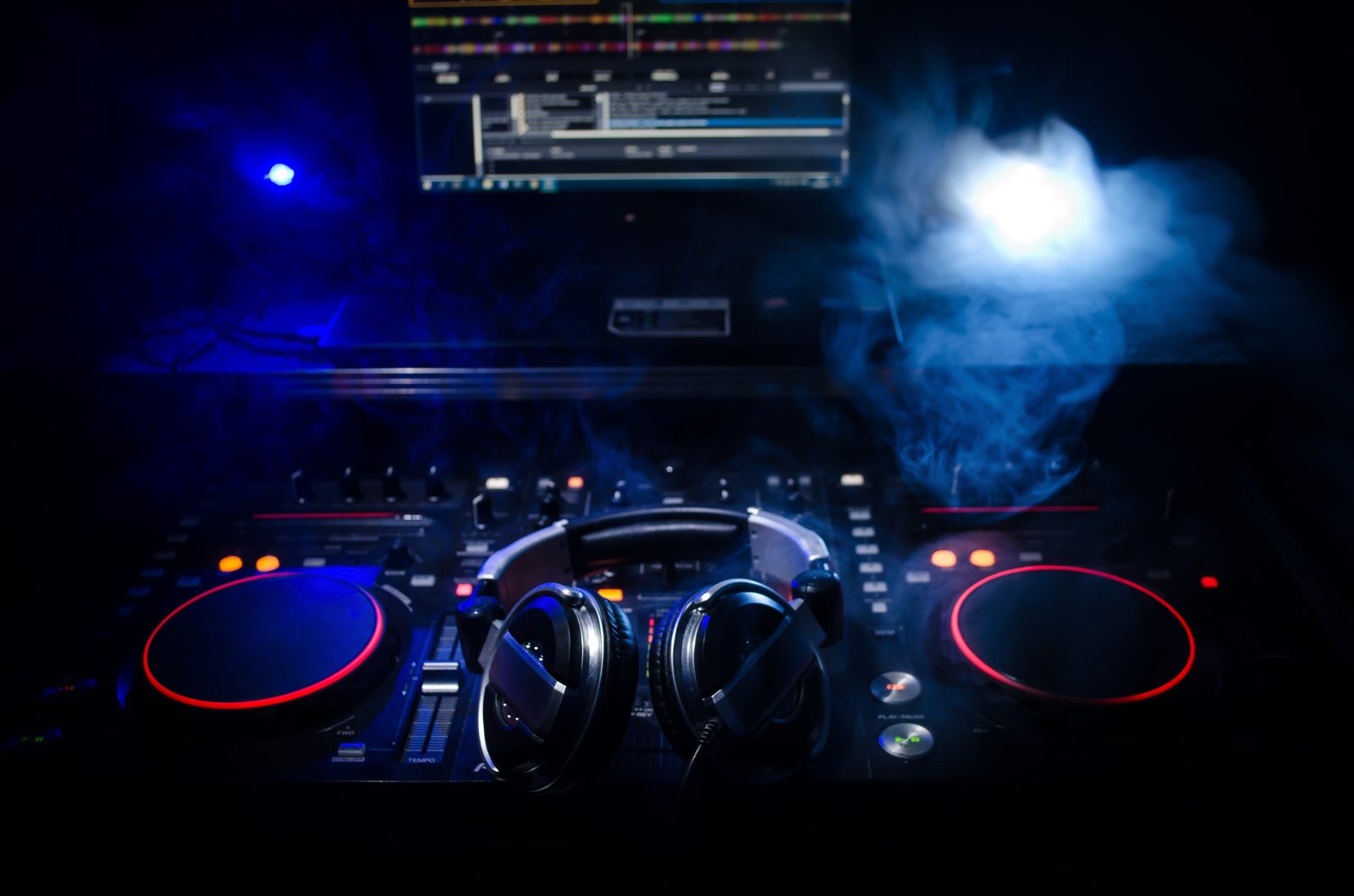
Walk into essentially any professional club, festival stage, or major touring rider anywhere in the world, and the decks in the booth are almost certainly Pioneer DJ CDJs. That universality isn't accidental marketing dominance — it's because touring and resident DJs need gear that behaves identically everywhere they play, and the CDJ-3000 is the standard everyone converged on for good reason.
Why 'Industry Standard' Actually Matters Here
For a working DJ, the value of the CDJ-3000 isn't just its own specs — it's that walking into any professional booth anywhere means you already know exactly how the gear behaves, because it's the same gear. Riders at festivals and clubs specify CDJ-3000s precisely because that consistency lets a DJ focus on the set instead of relearning an unfamiliar interface under pressure with a room full of people watching. That standardization is a genuinely different value proposition than most gear categories, where the "best" option is subjective — here, being the standard is a large part of the actual utility.
The 9-Inch Touchscreen Changes the Workflow
The large, high-resolution touchscreen is the most visible upgrade over previous CDJ generations, and it's not just a bigger display — waveform navigation, browsing, and hot cue management all become dramatically faster with direct touch interaction versus the jog-wheel-and-button navigation of older units. Being able to swipe through a library or drag a waveform view with a finger sounds like a small thing until you're beat-matching against the clock in a live set and every second of navigation matters.
Sound Quality: 96kHz/24-bit Throughout
Internal audio processing runs at 96kHz/24-bit, a genuine step up in resolution from earlier CDJ generations, and it's audible on a properly tuned club system — cleaner high end, more headroom before digital artifacts creep in during heavy EQ and effects use. For home studio or bedroom use on a good monitor setup, the difference from a CDJ-2000NXS2 is more subtle, but professionals mixing on serious systems do hear it.
Beat Sync and Key Sync Done Right
Pioneer's sync engine has matured to the point where beat sync and key sync are reliable enough that even DJs who built their reputation on manual beatmatching use it as a tool rather than a crutch — freeing attention for creative mixing, effects, and reading the crowd rather than constantly nursing pitch faders. Purists can still disable it entirely and mix fully manually; the point is that the option is there and works well when you want it.
Connectivity and Format Support
USB, SD card, and network streaming from a connected laptop (via rekordbox) are all supported, along with Pro DJ Link networking that lets multiple CDJ-3000s share track and BPM data across the booth — essential for back-to-back sets and multi-DJ nights where handoffs need to be seamless. Lossless format support (FLAC, WAV, AIFF) matters for DJs who've moved away from compressed formats for serious sound quality.
Is This Worth It for a Home Setup?
For an aspiring or working club/festival DJ, practicing on the exact hardware you'll perform on is a real, tangible advantage — muscle memory transfers directly, with no adjustment period walking into a professional booth. For a hobbyist mixing at home for fun, this is genuinely more machine (and expense) than necessary; the CDJ-2000NXS2 or even entry-level controllers deliver a great experience at a fraction of the cost.
Pros and Cons
Pros:
- Industry-standard status means identical behavior in professional booths worldwide
- Large touchscreen dramatically speeds up live navigation and hot cue management
- 96kHz/24-bit internal processing delivers genuinely cleaner audio on serious systems
- Reliable, mature beat and key sync without sacrificing manual control when wanted
- Pro DJ Link networking makes multi-DJ nights and back-to-back sets seamless
Cons:
- Very high price, especially buying a pair as most DJ setups require
- Significant overkill and expense for casual home or bedroom mixing
- Learning curve on the full touchscreen feature set for DJs coming from older CDJs
- Requires rekordbox software fluency to get full value from track prep and analysis
Frequently Asked Questions
Do I need two units, or does one work for practicing?
A single unit lets you learn the interface and practice individual track handling, but real DJ mixing requires at least two players (plus a mixer) to actually blend between tracks.
Is rekordbox required to use the CDJ-3000?
You can play directly from USB or SD card without rekordbox, but track analysis, waveform data, hot cue prep, and streaming integration all rely on rekordbox software for the full experience.
Final Verdict
The CDJ-3000 isn't trying to win on novelty — it's trying to be the reliable, universally understood standard that professional DJs can trust anywhere in the world, and it succeeds completely at that goal. For working and aspiring club DJs, that's worth the price. For everyone else, it's genuinely more than you need.
Rating: 9.2/10 — The gear every professional booth already trusts, for good reason.