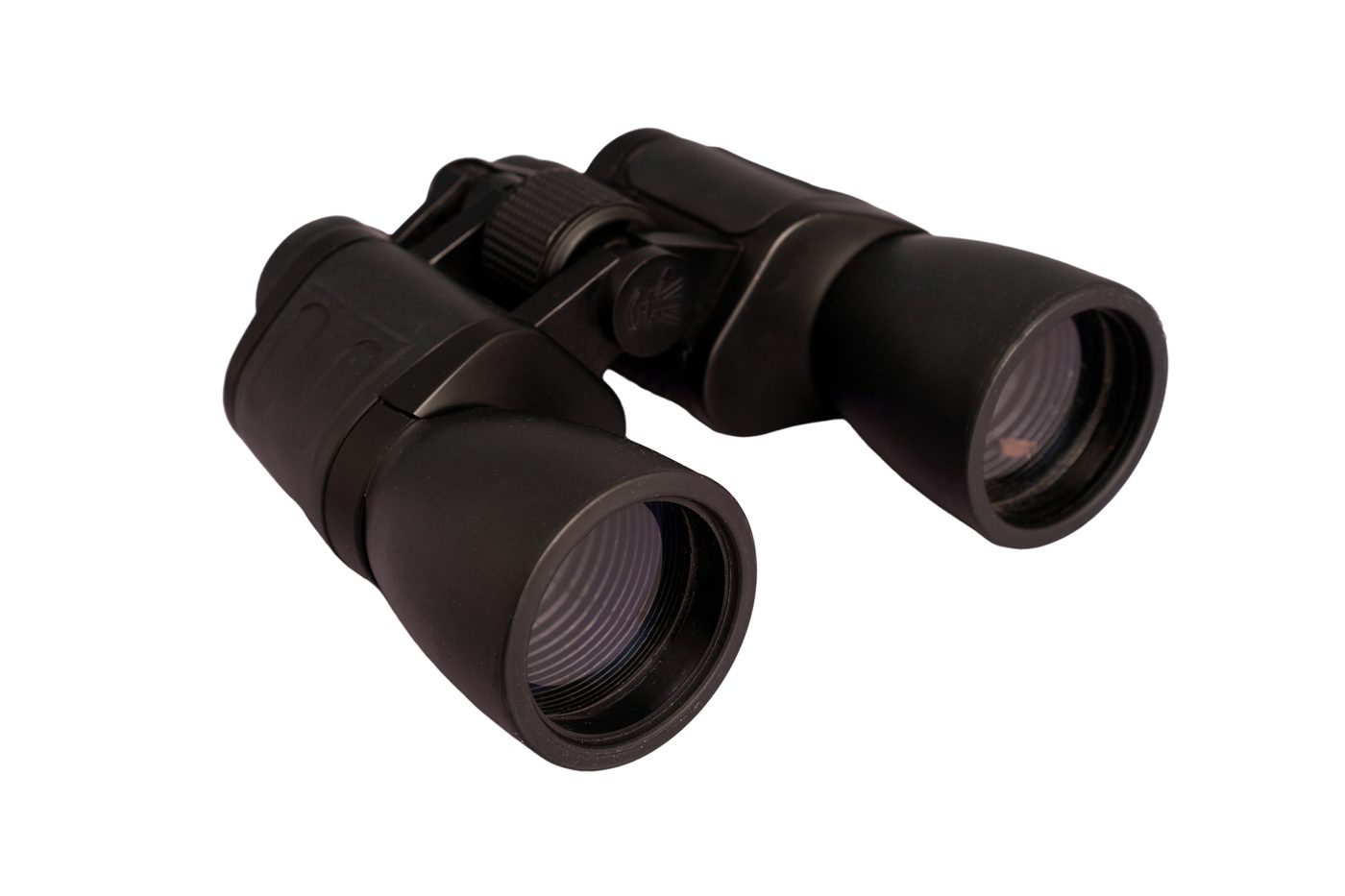
I've owned four pairs of binoculars in fifteen years of birding, each one supposedly better than the last, and I kept upgrading because something always felt slightly off — a dim edge, a stiff focus wheel, eye strain after an hour in the field. The EL 10x42 is the first pair where I stopped noticing the equipment entirely and just watched birds, which is the whole point.
The Open-Bridge Design Isn't a Gimmick
Swarovski popularized the open-bridge chassis, where the barrels connect through a slim central hinge rather than a full bridge, and it sounds like a cosmetic choice until you actually hold a pair for a few hours. Your fingers naturally wrap around the open sections, which distributes the weight differently than a traditional roof-prism design and genuinely reduces fatigue on long observation sessions. At just over 30 ounces, the EL 10x42 isn't the lightest binocular in this class, but the way it sits in your hands makes it feel lighter than the spec sheet suggests, and that matters more than most reviews give it credit for.
Optical Quality: Where the Price Actually Goes
Swarovski's field-flattener lens technology is the real story here. Standard binoculars sharpen the center of the image while the edges soften and curve, which is fine until you're tracking a bird moving across your field of view — most of that motion happens at the edges, not the center. The EL's field-flattener keeps the entire image tack-sharp corner to corner, and once you've used a pair with this technology, going back to a standard design feels like watching a slightly blurry TV. Add Swarovski's SWAROVISION coatings and the HD fluoride glass, and low-light performance at dawn and dusk — prime birding hours — is genuinely a class above anything I'd used previously, including binoculars costing two-thirds the price.
Color rendition is neutral and true rather than warm or cool-shifted, which matters enormously for identifying subtle plumage differences between similar species. I've made IDs at dusk with these that I simply couldn't have made confidently with my old pair.
Build Quality and Field Durability
These are rated waterproof to a a meter of submersion and nitrogen-purged against internal fogging, and after two years of use in rain, humidity, and one memorable canoe mishap, they've never fogged or let in moisture. The focus wheel is smooth with just the right amount of resistance — not so loose that it drifts, not so stiff that quick refocusing on a moving bird becomes a fumble. The rubber armor has held up to being knocked against tree branches and dropped onto rocky trail more times than I'd like to admit, with only cosmetic scuffing to show for it.
Who These Are Actually For
I want to be direct about this: if you bird a handful of times a year, this is not the pair to buy. A $300-400 pair of quality binoculars will serve casual use perfectly well, and the marginal optical improvement of the EL won't matter if you're not out often enough to notice it. This is a tool for people who are outside with binoculars around their neck dozens of times a year — serious birders, wildlife photographers scouting locations, hunters glassing distant terrain — where the cumulative hours of use make the difference in eye strain, clarity, and durability add up to something that actually changes the experience, not just the spec sheet.
The Case for Buying Once
I've now spent more, cumulatively, on four "good enough" pairs of binoculars over fifteen years than the EL 10x42 costs once. Swarovski's optics hold their value remarkably well on the resale market too, which softens the sticker shock somewhat if you ever do want to sell. This is squarely in "buy it for life" territory, provided you're actually going to use it enough to justify the category in the first place.
Pros and Cons
Pros:
- Field-flattener technology delivers edge-to-edge sharpness competitors don't match
- Exceptional low-light performance for dawn and dusk observation
- Open-bridge ergonomics genuinely reduce fatigue on long sessions
- Waterproof, fog-proof, and durable enough for serious field abuse
- Holds resale value better than nearly any other optics brand
Cons:
- Extremely expensive relative to "good enough" alternatives
- Overkill for casual or occasional users
- At 30+ ounces, not the lightest option for all-day carry
Frequently Asked Questions
How is the EL 10x42 different from Swarovski's NL Pure line?
The NL Pure is Swarovski's newer flagship with an even wider field of view and updated ergonomics, at a higher price point. The EL remains an excellent, slightly more affordable option with nearly identical optical quality for most users.
Is 10x magnification the right choice over 8x?
10x gives more reach for distant subjects but a narrower field of view and slightly less image stability handheld. Birders who spend time on open water or distant raptors often prefer 10x; woodland birders sometimes prefer 8x for the wider view.
Final Verdict
This is the pair I stopped shopping after buying, which after fifteen years of chronic binocular upgrading is the highest compliment I can give a piece of optics. It's expensive because the engineering underneath is genuinely different, not just badge premium.
Rating: 9.5/10 — If you're serious enough about this hobby to feel the difference, you'll feel it immediately.