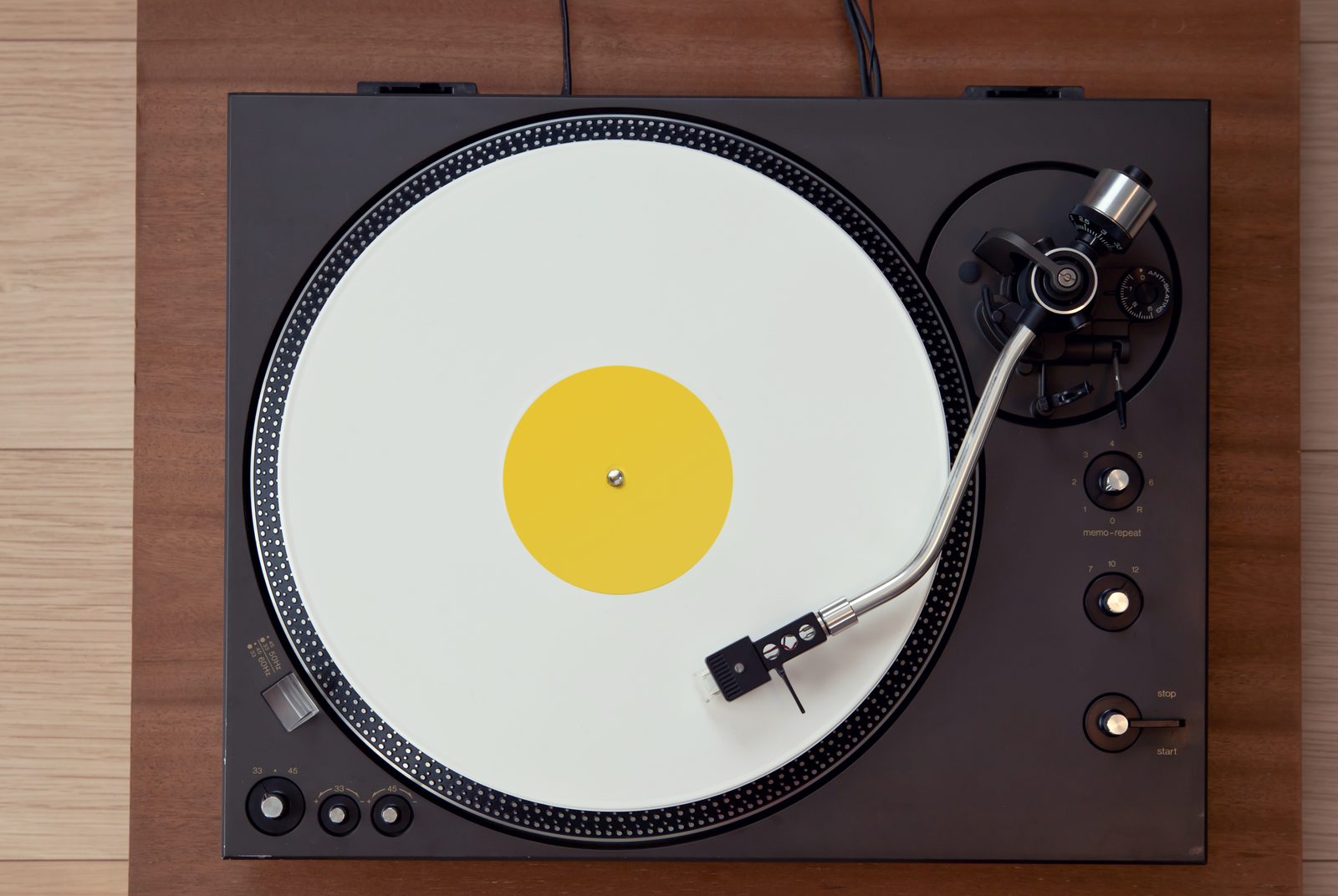
Technics basically invented modern direct-drive turntable culture with the original SL-1200 in the 1970s, and then spent decades watching other companies chase that legacy. The SL-1000R is Technics deciding to stop letting other people define what a flagship direct-drive deck should be, and building the answer themselves with essentially no compromises.
A Motor Built to Reference-Class Standards
At the heart of the SL-1000R is the SP-10R motor unit — the modern reincarnation of the legendary SP-10 that defined broadcast and DJ turntables for a generation. Technics built a coreless direct-drive motor specifically to eliminate cogging, the subtle torque irregularity that occurs in motors with iron cores as magnets pass by. The result is speed stability that measures at a wow-and-flutter figure so low it's essentially at the limit of what's measurable with conventional test equipment.
What that translates to on record is a rock-steady pitch with none of the barely-perceptible wow that even good belt-drive decks can exhibit on sustained piano or vocal notes. It's the kind of difference that's subtle in isolation but becomes obvious the moment you go back to a lesser turntable.
Two-Part Construction, One Purpose: Isolation
The SL-1000R separates the motor unit (SP-10R) from a dedicated cabinet/plinth (SH-10B), a deliberate design choice that lets each component do its job without compromise. The cabinet uses a multi-layer construction combining aluminum die-cast, BMC, and high-density materials specifically tuned to damp resonance and vibration, rather than transmitting turntable motor noise or footfall vibration into the stylus.
This two-piece approach is why the SL-1000R feels less like "an SL-1200 but nicer" and more like a genuinely different category of turntable — the isolation and mass engineering are simply operating on another level.
Tonearm and Setup Precision
The included static-balance tonearm uses a magnetic fluid-damped cueing mechanism for smooth, precise cueing, and the level of adjustability — VTA, azimuth, anti-skate — is aimed squarely at users who want to fine-tune cartridge setup rather than accept factory defaults. If you're the type of vinyl listener who already has opinions about cartridge alignment protractors, this arm rewards that obsessiveness.
Setup takes real time and patience compared to a plug-and-play turntable, but every adjustment is purposeful rather than fiddly — this is precision engineering, not a puzzle.
Sound Character
Paired with a quality cartridge and a resolving phono stage, the SL-1000R gets out of the way in the best sense — bass is taut and well-controlled, imaging is precise, and the noise floor is low enough that quiet passages on well-pressed records reveal detail that gets buried on lesser tables. It doesn't impose a "turntable sound" the way some direct-drive decks are accused of; it simply tracks the groove with exceptional fidelity and lets the recording speak.
Comparing It to the SL-1200GR
If you already own or have used Technics' more affordable SL-1200GR (a genuinely excellent turntable in its own right), the SL-1000R isn't an incremental step up — it's a jump into a different performance tier. The coreless SP-10R motor, separate isolated cabinet, and reference-grade tonearm collectively deliver measurable and audible improvements in speed stability and noise floor that go well beyond what the price difference alone might suggest.
Who This Turntable Is For
This is a turntable for vinyl collectors and audiophiles who have already built out a serious system — quality cartridge, phono stage, amplification, and speakers capable of resolving the difference — and want the analog front end to stop being the weak link. If your system's other components are mid-tier, the SL-1000R's advantages will be harder to fully appreciate; it rewards a system built to match it.
Pros and Cons
Pros:
- Coreless direct-drive motor delivers reference-class speed stability
- Separated motor and cabinet design dramatically improves vibration isolation
- Highly adjustable tonearm rewards careful cartridge setup
- Exceptionally low noise floor reveals detail lesser turntables mask
- Built on Technics' genuine broadcast/reference engineering heritage
Cons:
- Price puts it well beyond prosumer turntables like the SL-1200GR
- Setup and cartridge alignment require real patience and care
- Benefits are hardest to appreciate without an equally resolving system around it
- No built-in phono stage — budget for one separately
Frequently Asked Questions
Is the SL-1000R worth it over the SL-1200GR?
If your system and ears can resolve the difference, yes — the SL-1000R is a genuine step into reference-class performance, not just a nicer finish on the same formula. If you're not sure your system can show the difference, the 1200GR remains an excellent, far more affordable choice.
Does it include a cartridge?
No — like most reference-class turntables, it's sold as a motor/plinth/tonearm system, and buyers are expected to choose a cartridge matched to their taste and budget.
Final Verdict
The Technics SL-1000R is what happens when a company that invented a category decides to stop competing on nostalgia and build the best possible version of the idea instead. For vinyl lovers with the system to match, it's about as good as direct-drive turntables get.
Rating: 9.1/10 — Reference-class analog engineering for listeners who can hear the difference.