Plath was primarily a poet, and this remains her only novel, published under a pseudonym just weeks before her death. What makes it still feel distinctive decades later isn't just its subject matter - a young woman's mental health crisis - but the precise, dryly observant, almost clinical voice she uses to render it, refusing both melodrama and easy uplift.
Esther Greenwood's Voice, Precise Rather Than Melodramatic
Protagonist Esther Greenwood narrates her own developing depression with a striking precision and dry, sometimes darkly funny observational wit rather than melodrama or self-pity, which is part of what has kept the novel from dating the way many other depictions of mental illness from the same era have. This tonal control, sustained even through the novel's most difficult sections, is a genuine technical achievement.
The Bell Jar as an Exact, Specific Metaphor
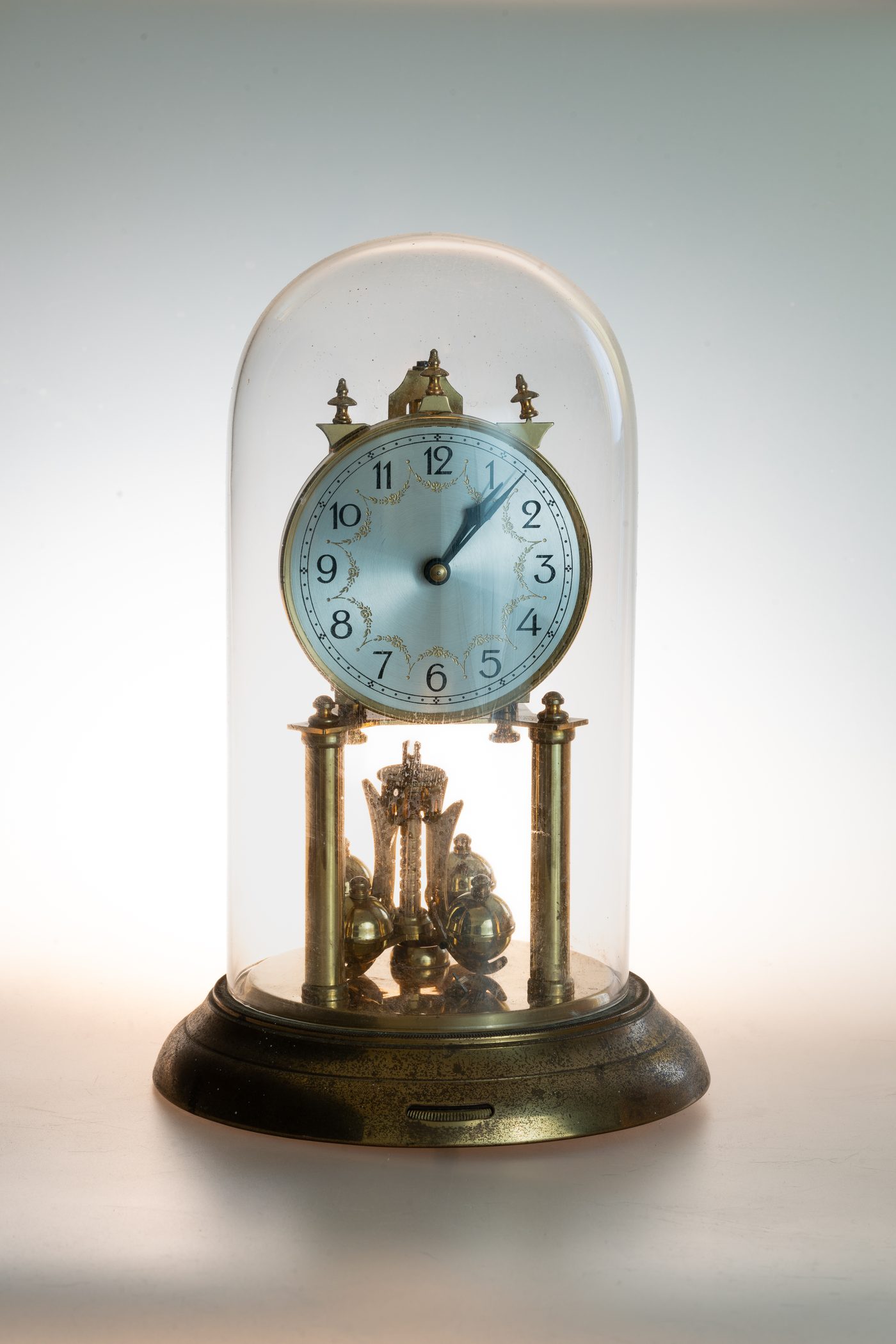
The novel's central image - depression as being trapped under a suffocating glass bell jar, distorting the world outside while cutting off air - is deployed with real precision rather than as vague poetic decoration, and Plath, a poet by primary craft, chooses this image with the same exactness she'd bring to a poem. Tracking how and when this image recurs throughout the novel reveals careful structural intention.
A Sharp, Specific Critique of 1950s Expectations for Women
Beyond its psychological content, the novel is a pointed critique of the narrow, contradictory expectations placed on young women in 1950s America - professional ambition alongside expected domesticity, sexual double standards, limited paths to a meaningful life outside marriage. Esther's crisis is presented as arising partly from these genuine, specific social contradictions, not purely from internal psychological causes.
Semi-Autobiographical, With Real Documented Parallels
The novel closely parallels episodes from Plath's own life, including a prestigious magazine internship and a subsequent psychiatric hospitalization, and reading it with awareness of these documented biographical parallels - without collapsing the novel entirely into pure autobiography - adds real context to its specificity and detail.
Psychiatric Treatment Rendered With Difficult, Specific Detail
The novel includes detailed, difficult depictions of 1950s psychiatric treatment, including electroconvulsive therapy administered without adequate anesthesia, rendered with the same precise, unflinching specificity Plath brings to the rest of the narrative. This is genuinely hard material and worth knowing about before starting.
Who Should Read This
Readers interested in a precisely rendered, unsentimental account of depression and institutional psychiatric treatment, anyone interested in mid-century American gender expectations, and readers who appreciate a poet's exactness applied to prose narrative.
Pros and Cons
Pros:
- Precise, dryly witty narrative voice avoids both melodrama and easy uplift
- The bell jar metaphor is deployed with genuine poetic exactness, not vague decoration
- Sharp, specific critique of contradictory 1950s expectations for women
- Documented autobiographical parallels add real depth without the novel being pure memoir
Cons:
- Contains genuinely difficult, detailed depictions of psychiatric treatment and crisis
- Some readers find the precise, controlled tone emotionally distancing rather than accessible
Frequently Asked Questions
Is this autobiography or fiction?
It's a novel with substantial, documented autobiographical parallels to Plath's own life, though it should be read as crafted fiction rather than pure memoir.
Is this too difficult given its subject matter and Plath's own history?
It contains genuinely hard content, including psychiatric treatment scenes, rendered with precise, unflinching detail - worth knowing before starting.
Final Verdict
What keeps this novel distinctive decades later is its precision - Plath's poet's exactness applied to depression and institutional treatment, refusing both melodrama and false comfort.
Rating: 9.0/10