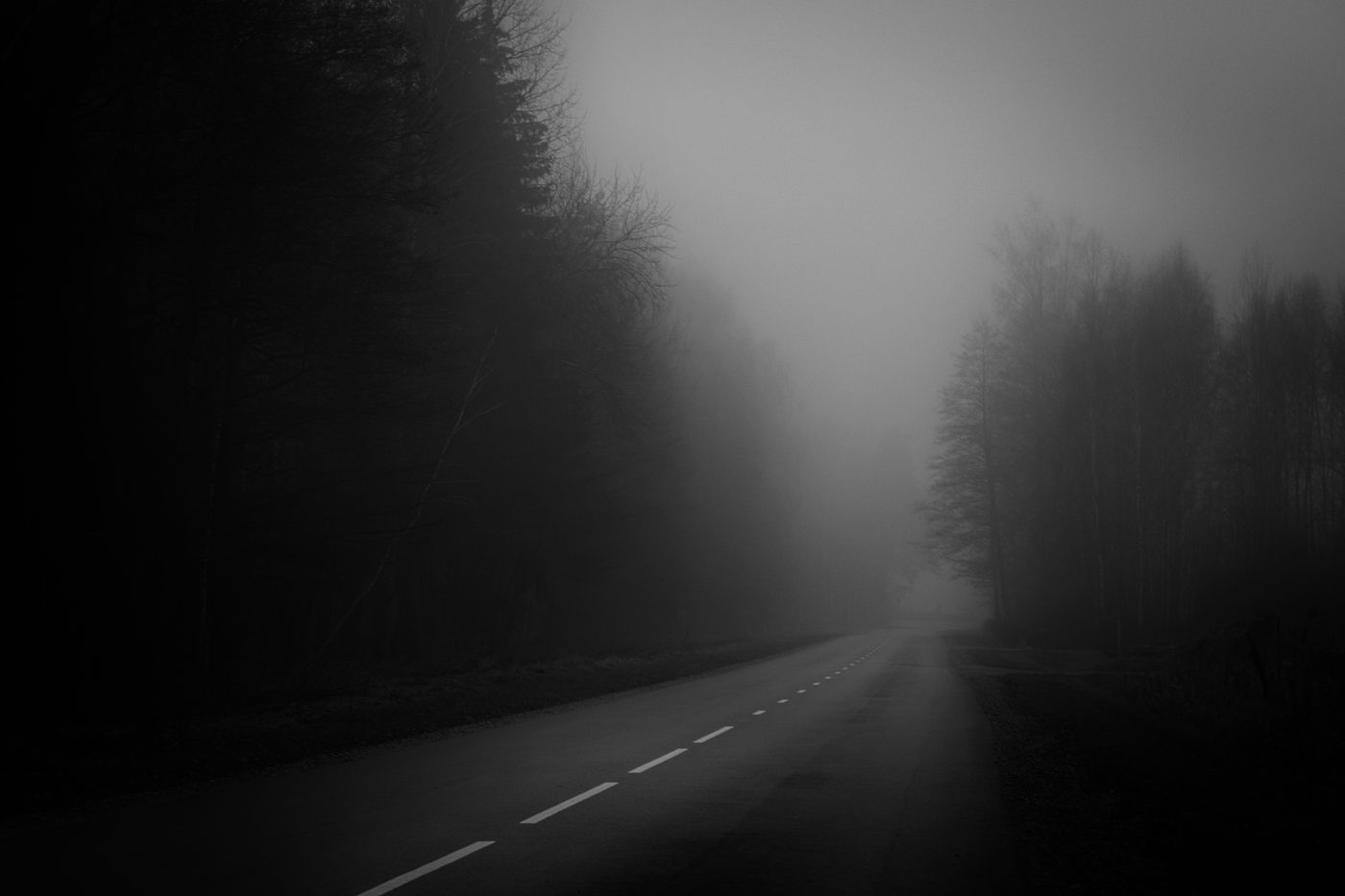
This is marketed and often discussed as post-apocalyptic fiction, and technically it is - but the ash-covered, cannibal-threatened wasteland the father and son walk through is mostly a pressure chamber for the actual subject, which is the specific, unbearable weight of trying to keep a child alive and morally intact when you can promise him nothing.
The Apocalypse Is Deliberately Unexplained
McCarthy never specifies what caused the catastrophic event that destroyed civilization - no timeline, no cause, no scientific explanation - which is a deliberate choice that keeps the novel from becoming a genre disaster story with a plot to solve. The absence of explanation forces total focus onto the father and son's immediate, moment-to-moment survival and relationship rather than any larger world-building mystery.
Prose Stripped Down to Its Bones
McCarthy's famously spare style here - minimal punctuation, no quotation marks for dialogue, short declarative sentences - matches the depleted, ash-gray world the characters move through, and the effect is cumulative rather than immediately dramatic. Reading in longer sessions rather than short excerpts lets that rhythm actually work on you the way it's designed to.
"Carrying the Fire" as the Novel's Real Argument
The father repeatedly tells his son they are "the good guys" who are "carrying the fire," a recurring phrase that becomes the novel's central moral framework for maintaining human decency - refusing cannibalism, refusing to abandon the vulnerable - even when survival logic would argue otherwise. This phrase, simple enough for the child character to hold onto, is doing genuinely serious philosophical work about what a person owes to their own humanity even in extremity.
The Mother's Absence as Its Own Argument
The boy's mother, present only in flashback, made a different choice about how to face the world's devastation, and her absence functions as a genuine counterargument the novel doesn't dismiss lightly - it's presented as a coherent, understandable response rather than simple weakness, which adds real moral complexity to the father's relentless insistence on continuing.
An Ending That Doesn't Undercut Everything Before It
Without spoiling specifics, the novel's final pages offer something that isn't quite hope in a conventional sense, but also refuses to fully negate the value of everything the father sacrificed to get his son there. The ending's tone is genuinely difficult to characterize simply, and that difficulty is part of what makes it linger rather than resolve neatly.
Who Should Read This
Readers who can handle genuinely bleak, sometimes graphic material in service of a serious emotional and moral argument, anyone interested in McCarthy's distinct prose style, and readers drawn to stories about parenthood under extremity rather than genre disaster fiction specifically.
Pros and Cons
Pros:
- Uses its post-apocalyptic setting as a pressure chamber for a genuine father-son relationship, not genre spectacle
- "Carrying the fire" gives the novel real, simple, effective moral weight
- McCarthy's stripped-down prose style matches its depleted world with real cumulative power
- Refuses to dismiss the mother's opposing choice as simple weakness, adding real complexity
Cons:
- Genuinely bleak, with some graphic and disturbing content
- Minimal punctuation and dialogue markers require some adjustment for readers unused to McCarthy's style
Frequently Asked Questions
Is this too bleak or disturbing to get through?
It's genuinely dark, including some graphic content, but the father-son relationship provides real emotional grounding throughout rather than pure despair.
Do I need to know what caused the apocalypse?
No - McCarthy deliberately never explains it, keeping the focus entirely on the characters' immediate survival and relationship.
Final Verdict
Read past its post-apocalyptic surface, this is one of the more direct, unsentimental treatments of what it actually means to try to protect a child's humanity with nothing else left to offer him.
Rating: 9.2/10