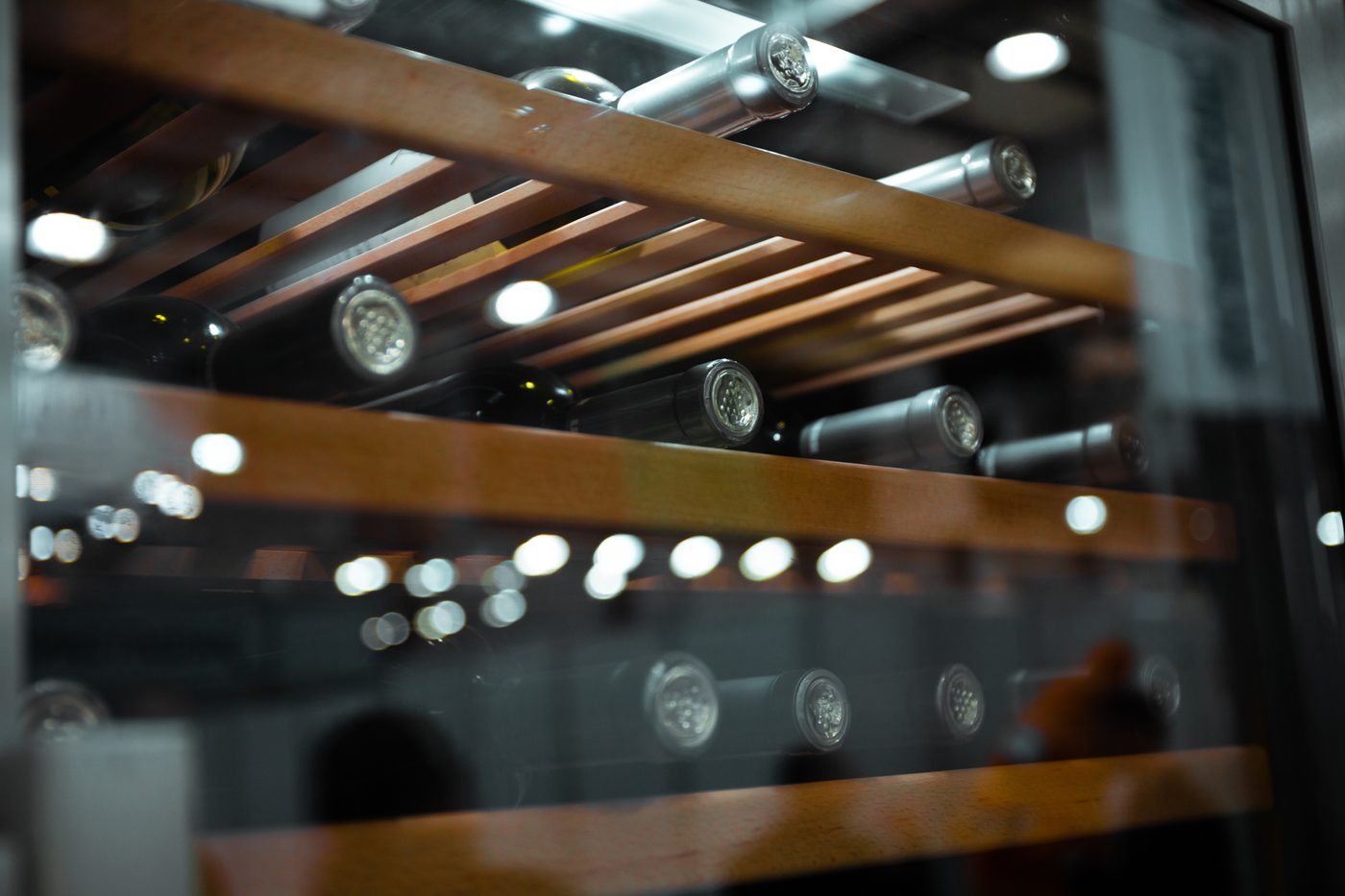
For years my wine lived on top of the fridge, on the counter, and in a wobbly rack that couldn't decide if it wanted to hold 12 bottles or 8. The BWR-1502SD swallowed all of it into one unit with actual proper storage conditions, and reclaimed more kitchen counter space than I expected a single appliance could.
Compressor Cooling, Not Thermoelectric
This is the single most important spec to understand before buying any wine fridge, and it's the reason the BWR-1502SD costs more than the thermoelectric units sold at big box stores. Thermoelectric coolers are quieter and cheaper but struggle to hold a stable temperature in warm rooms or during hot weather, and they're sensitive to ambient temperature swings in a way that can genuinely affect wine quality over time. Compressor cooling, the same underlying technology as a standard refrigerator, holds a rock-steady temperature regardless of room conditions and works reliably even in a warm garage or an un-air-conditioned room in summer — which is exactly where a lot of these units end up living.
Dual Zones for Actually Different Wine Types
The upper and lower zones cool independently, typically letting you hold whites and sparkling wines colder (around 45-50°F) up top while reds sit warmer (around 55-65°F) below, matching actual proper serving and storage temperatures rather than forcing a single compromise temperature across your whole collection. If you drink primarily one type of wine, a single-zone unit will save you money; if your collection is genuinely mixed, the dual-zone setup here is doing real functional work, not just offering a marketing bullet point.
150-Bottle Capacity in Practice
Whynter's rated capacity assumes standard Bordeaux-shaped bottles; wider Burgundy or Champagne bottles take up more room and will reduce actual capacity below the rated number, something worth knowing before you buy based on the number alone. In practice I fit close to 130 bottles of a genuinely mixed collection, which is still a dramatic upgrade from scattered countertop storage and more than most households will realistically fill for years.
Vibration and UV Protection
The compressor is mounted and dampened to minimize vibration transfer to the bottles, which matters more than people expect — constant vibration disturbs the sediment and aging process in wine over long-term storage, a real concern with cheaper compressor units that don't isolate the motor properly. The tinted, UV-protected glass door also blocks light exposure, which degrades wine over time just as surely as heat does. Both details matter far more for a collection you're actually aging for years than for wine you're buying to drink within a few months, worth factoring in based on how you actually use your collection.
Noise and Placement
Compressor units are audibly louder than thermoelectric coolers — there's a real, if moderate, hum during active cooling cycles. This has never bothered me in a kitchen with normal daytime activity, but it's worth knowing if you were hoping to put this in a bedroom or a very quiet home office. It also requires a small amount of clearance around the unit for proper ventilation, so factor that into your placement plans rather than assuming a flush built-in install without checking manufacturer clearance specs first.
Who This Is For
If you buy a bottle or two of wine at a time to drink within the week, a basic countertop rack is genuinely all you need, and this unit is overkill. This is built for people with an actual, ongoing collection — gifts accumulated over years, bottles being aged deliberately, or households that regularly entertain and want proper serving temperatures on hand without scrambling to chill something last minute.
Pros and Cons
Pros:
- Compressor cooling holds stable temperature regardless of room conditions
- True independent dual-zone temperature control for reds and whites
- UV-protected glass and vibration dampening genuinely protect long-term aging
- 150-bottle rated capacity dramatically consolidates scattered storage
Cons:
- Noticeably louder than thermoelectric wine coolers during cooling cycles
- Actual bottle capacity drops with wider Burgundy or Champagne bottles
- Requires ventilation clearance, limiting flush built-in placement options
Frequently Asked Questions
Can this be built into cabinetry?
Check Whynter's specific clearance requirements before a flush built-in install — some compressor units need rear and side ventilation space that affects whether a true built-in installation is possible without a ducted kit.
Is compressor cooling worth the extra noise over thermoelectric?
For serious long-term storage or homes without climate control in the fridge's location, yes — the temperature stability meaningfully protects wine quality in a way thermoelectric units can't match in less controlled environments.
Final Verdict
This isn't a wine fridge for someone who just wants a bottle chilled by dinner. It's for someone whose collection has outgrown ad hoc storage and wants it treated properly, and on that specific job, it delivers exactly what it promises.
Rating: 8.9/10 — My counters have never looked better, and neither has my wine storage.