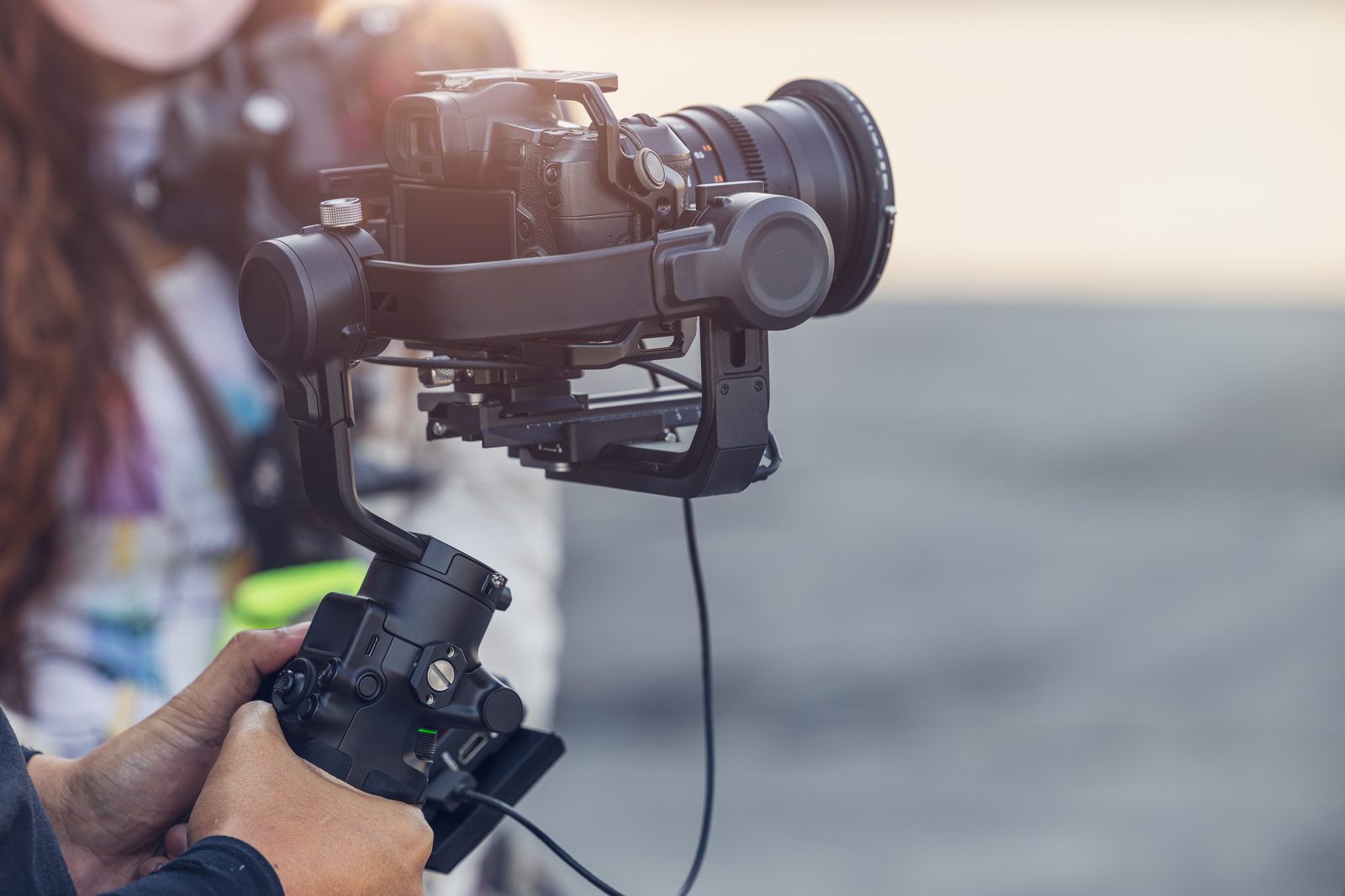
For as long as gimbals have existed, filmmakers have been strapping cameras onto them as an afterthought — balancing, rebalancing, fighting cable management, and accepting compromised stabilization because the camera was never designed to live on a gimbal in the first place. The DJI Ronin 4D-6K throws that whole approach out and builds the camera and the stabilization system as one integrated object. It changes more about the shooting experience than the spec sheet suggests.
Four Axes, Not Three
Traditional 3-axis gimbals stabilize pan, tilt, and roll, but leave vertical bounce — the up-and-down jolt from walking — largely uncorrected, which is why handheld gimbal footage often still has a subtle floating bob to it. The Ronin 4D adds a fourth axis specifically to counter that vertical movement, using a mechanical arm design rather than software stabilization alone. The practical result is footage that looks like it came off a dolly track even when you're walking down uneven pavement, which is the single biggest qualitative jump this system offers over bolting a camera to a standard gimbal.
Zenmuse X9: A Real Cinema Sensor
The camera module isn't a repurposed drone camera — it's built around DJI's Zenmuse X9, a full-frame sensor capturing 6K at up to 60fps or 4K at up to 120fps, with internal ProRes RAW recording that eliminates the external recorder many competing systems require for RAW capture. Recording RAW internally to the camera itself, rather than through an add-on recorder hanging off the side, keeps the whole rig significantly more compact and reliable on set.
Dynamic range and color science hold up well against dedicated cinema cameras in this price bracket, and CineCore 3.0 processing handles the RAW pipeline efficiently enough that you're not fighting overheating or dropped frames during extended handheld takes, which was a real concern with earlier integrated systems.
LiDAR Focus: The Feature That Changes Solo Shooting
The built-in LiDAR range finder is arguably the most practically transformative feature for solo shooters and small crews. Rather than relying purely on contrast or phase-detection autofocus that can hunt or miss in tricky lighting, the LiDAR system actively measures distance to subjects, delivering focus pulls and tracking that are dramatically more reliable — especially for a single operator who doesn't have a dedicated focus puller watching a monitor.
For run-and-gun documentary work, solo narrative shoots, or small commercial crews without the budget for a full focus-pulling team, this single feature can replace a role that would otherwise require another person on set.
Wireless Video Transmission and Control
Built-in wireless video transmission lets a director or DP monitor and even adjust camera settings remotely without a separate transmitter rig bolted on — genuinely useful for gimbal operators who need to hand off creative control to someone else while physically running the stabilizer. It's the kind of integration that used to require several thousand dollars of additional accessories cobbled together from different brands.
Handling and Real-World Shooting
The integrated design means no balancing act every time you change lenses or add accessories — a genuine time-saver on sets where minutes matter. It's still a substantial rig to operate handheld for extended periods (this is a professional tool, not a lightweight vlogging camera), but the ergonomics of the handles and the way weight is distributed make multi-hour handheld days more manageable than they have any right to be given the capability packed into the unit.
Who This Camera Is Actually For
The Ronin 4D-6K is built for independent filmmakers, documentary shooters, and small production teams who need cinema-grade image quality and professional stabilization without the crew size and budget a traditional cinema camera plus separate gimbal rig would require. If you're shooting primarily static, tripod-based work, you're paying for stabilization capability you won't use — a traditional cinema camera body will serve you better and for less.
Pros and Cons
Pros:
- Genuine 4-axis stabilization eliminates vertical bounce, not just pan/tilt/roll
- Full-frame Zenmuse X9 sensor with internal ProRes RAW recording
- LiDAR autofocus dramatically improves reliability for solo operators
- Built-in wireless video transmission removes need for separate transmitter rigs
- Integrated design eliminates constant gimbal balancing between setups
Cons:
- Still heavy and demanding for extended handheld operation
- Lens options are more limited than an open-mount cinema camera system
- Significant investment relative to a standard mirrorless hybrid camera
- Overkill for creators who don't actually need dedicated gimbal stabilization
Frequently Asked Questions
Can it be used off the gimbal, as a standalone camera?
Yes, the camera module and gimbal arm can be separated for handheld or tripod-mounted shooting when full stabilization isn't needed, adding real flexibility to how the system fits into a workflow.
Is the LiDAR autofocus reliable in low light?
Yes — LiDAR measures distance using its own emitted signal rather than relying purely on contrast in the scene, which is exactly why it holds up notably better than conventional autofocus in dim or low-contrast conditions.
Final Verdict
The DJI Ronin 4D-6K solves a problem filmmakers have quietly tolerated for years: cameras and gimbals designed separately and forced together. By building both as one system, DJI delivers stabilization, image quality, and solo-operator focus reliability that a bolted-together rig simply can't match.
Rating: 9.0/10 — A genuinely integrated cinema and stabilization system built for how independent filmmakers actually work.