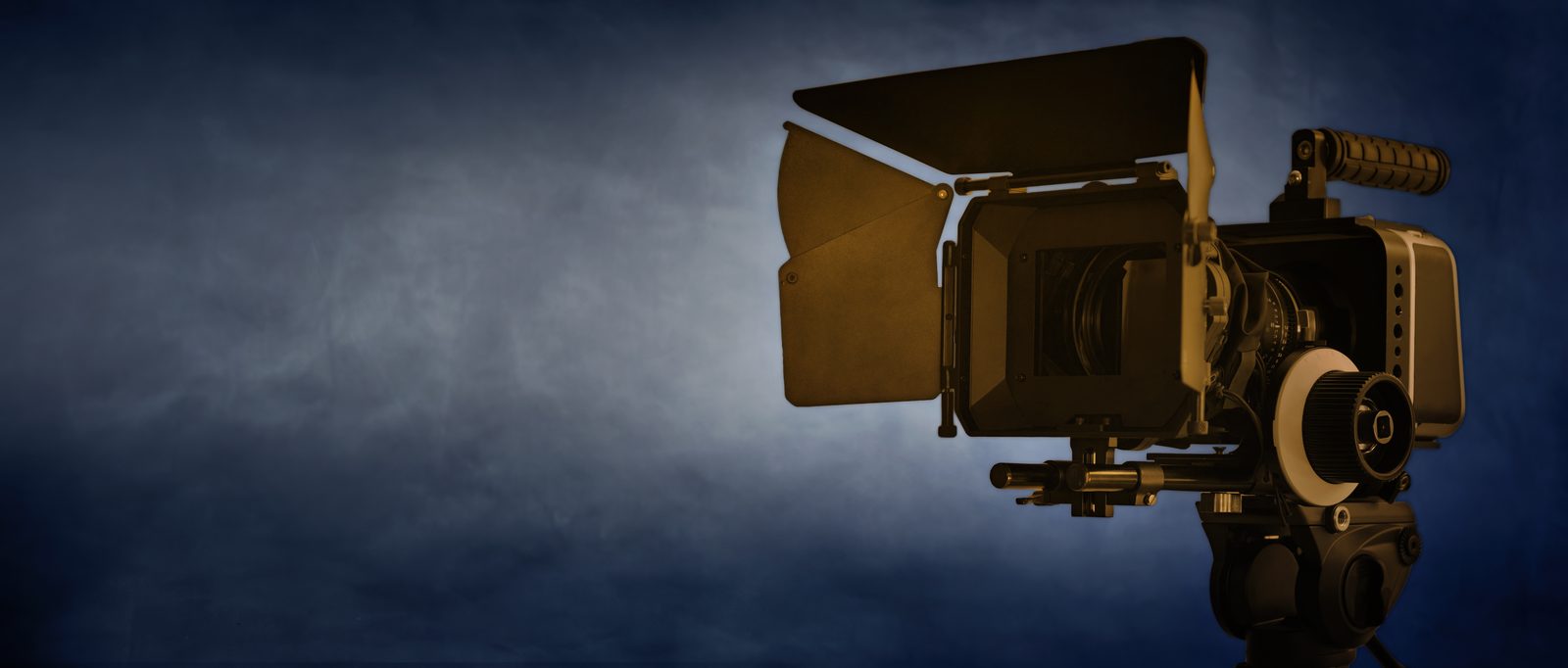
RED cameras used to mean a serious rig — big bodies, bigger accessory ecosystems, and budgets that put them firmly in professional-crew territory. The Komodo 6K shrinks all of that RED color science and RAW workflow into a body small enough to rig on a drone or a gimbal, and after using one across a handful of independent shoots, it's clear this is RED's answer to a question a lot of working filmmakers had been asking for years: why can't I get real cinema image quality without the full cinema camera commitment?
A Global Shutter Sensor Solves a Real Problem
The 6K Super 35mm sensor uses a global shutter, meaning the entire frame is captured simultaneously rather than scanned line by line like most rolling-shutter sensors. This eliminates the "jello effect" distortion that plagues fast pans, quick camera movement, and especially drone and gimbal work where a rolling shutter can visibly warp straight lines and fast motion. For anyone shooting action, sports, or heavily gimbal-stabilized footage, this single spec is the reason to choose the Komodo over cameras with otherwise comparable resolution.
REDCODE RAW: The Real Differentiator
Internal recording in RED's REDCODE RAW gives you the same color science and post-production flexibility that's defined RED's reputation on major productions for over a decade, in a genuinely compact package. Highlight recovery, white balance adjustment, and color grading latitude in RAW footage from the Komodo hold up remarkably well even in challenging mixed-lighting situations, which matters enormously for independent productions that don't always have the luxury of controlled lighting setups.
Compressed RAW options manage file sizes reasonably for the resolution and bit depth on offer, though serious productions should budget for fast, high-capacity CFexpress cards and a real data management workflow — RAW footage at this quality generates substantial file sizes that add up fast across a shoot day.
Compact Size, Real Rig Flexibility
The small form factor is the whole point of this camera existing, and it delivers — the Komodo rigs cleanly onto gimbals, drones, and small handheld cages without the counterweight and bulk challenges of larger cinema bodies. RF lens mount compatibility (via adapter, with native RF mount versions available) opens up a huge, relatively affordable lens ecosystem compared to RED's traditional PL-mount cinema lens world.
Where It's Less Flexible Than Bigger RED Bodies
The trade-off for the compact size is a more limited accessory ecosystem and I/O compared to RED's larger cinema bodies — this isn't the camera for a fully kitted-out multi-operator production with extensive on-camera accessories. Battery life is also modest given the compact chassis, and serious shoot days require a real battery management plan (V-mount plates and external power solutions are common workarounds).
Autofocus and Run-and-Gun Use
Autofocus, while functional, isn't at the level of a modern mirrorless hybrid camera built primarily for autofocus performance — this camera assumes manual focus pulling or a focus puller on set, consistent with how cinema cameras have traditionally operated. Solo shooters used to autofocus-heavy mirrorless workflows should factor in a real adjustment period, or budget for a focus-assist accessory.
Who This Camera Is Actually For
The Komodo 6K makes sense for independent filmmakers and small crews who need genuine cinema-grade image quality and RED color science, but whose productions (documentary, narrative shorts, music videos, drone and gimbal-heavy work) benefit from a genuinely compact, riggable body more than they need the full accessory ecosystem of a larger cinema camera. If your work is primarily solo run-and-gun with autofocus dependency, a high-end mirrorless hybrid will serve you better.
Pros and Cons
Pros:
- Global shutter eliminates rolling shutter distortion on fast pans, drones, and gimbal work
- REDCODE RAW delivers genuine RED color science and grading latitude in a compact body
- Small form factor rigs cleanly onto gimbals and drones without major counterweight issues
- RF-mount compatibility opens a large, comparatively affordable lens ecosystem
- Real cinema-grade image quality at a fraction of traditional RED body pricing
Cons:
- Modest battery life demands a real power management plan for full shoot days
- Limited accessory ecosystem and I/O compared to larger RED cinema bodies
- Autofocus lags well behind modern mirrorless hybrids built for AF-dependent shooting
- RAW footage file sizes require serious storage and data management planning
Frequently Asked Questions
Do I need PL-mount cinema lenses to use this camera?
No — the Komodo is available with a native RF lens mount and works well with the broader, more affordable RF lens ecosystem, though PL-mount cinema lenses remain an option via adapter for productions that need them.
Is this a good camera for a solo run-and-gun shooter?
It's workable but not ideal — the limited autofocus performance means solo shooters relying heavily on continuous autofocus will find it more demanding than a modern mirrorless hybrid built around that use case.
Final Verdict
The RED Komodo 6K genuinely delivers on its premise: real RED cinema image quality and color science in a body small enough to go places a traditional cinema camera can't. For independent filmmakers who need that specific combination, it's a remarkable tool.
Rating: 9.0/10 — Genuine cinema-grade RED color science, shrunk down without losing what makes it special.