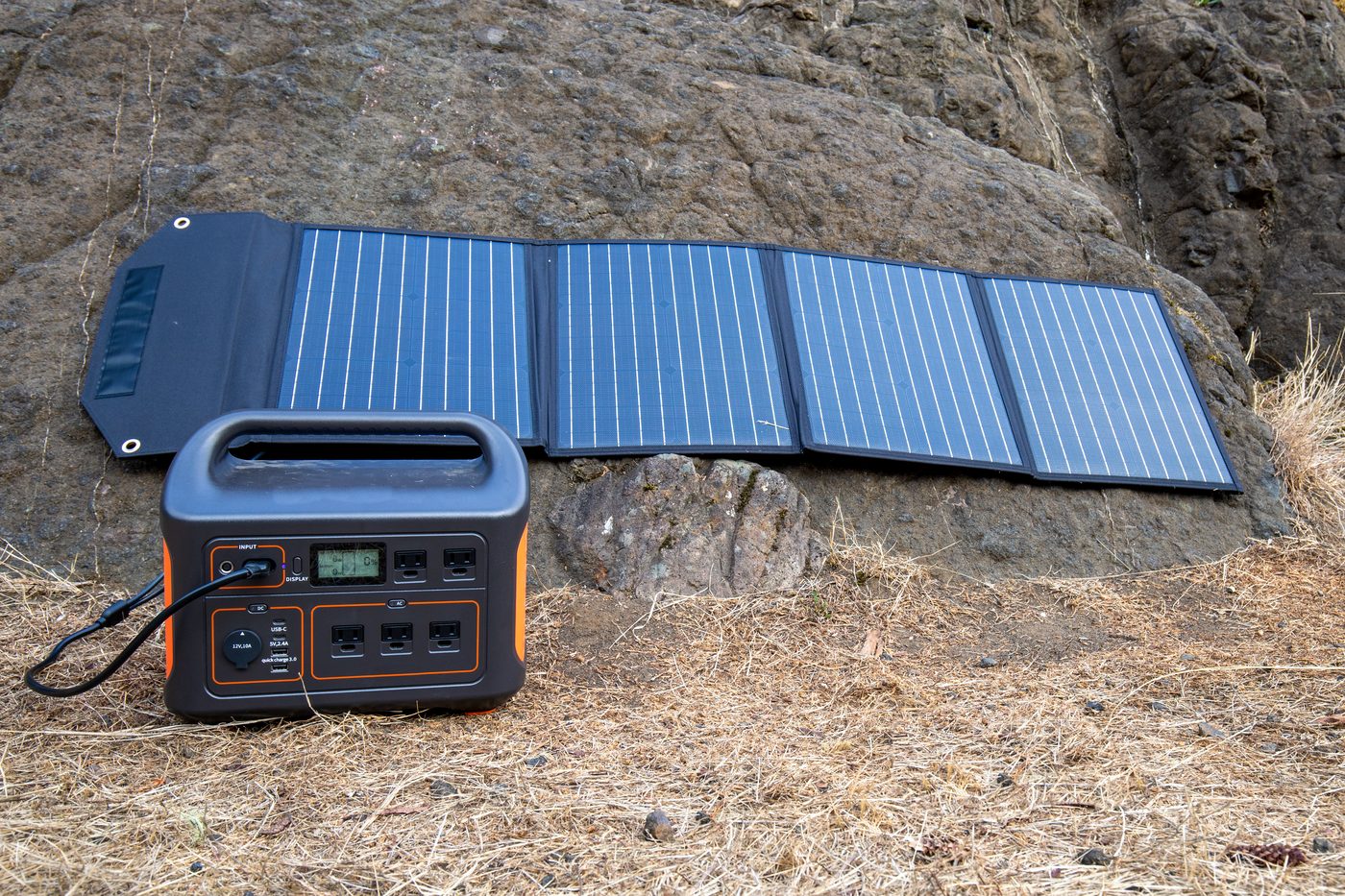
I used to ration phone battery and skip running my CPAP on multi-day camping trips, treating power as something to survive without rather than plan around. The Yeti 500X changed that calculation entirely, and it's quietly become the piece of gear I now check the charge on before anything else.
Sized for the Actual In-Between Use Case
Goal Zero's Yeti lineup spans from small, phone-charging-only units up to massive home-backup systems, and the 500X sits deliberately in the middle — enough real capacity to run a CPAP machine overnight, keep a small cooler running, charge laptops and cameras repeatedly, and power LED lighting for a multi-day trip, without the size and weight of the larger home-backup-focused Yeti models. Understanding where your actual power needs fall before buying is important here; if you just need to charge a phone and a headlamp, this is more capacity than necessary, and if you're trying to run a full RV's appliances, you'll want a significantly larger unit.
Real-World Runtime, Not Just Marketing Numbers
I specifically tested this against my actual CPAP's power draw before committing to relying on it overnight, and it comfortably powers a full night's use with charge to spare for phone and headlamp charging the next day — but that number will vary meaningfully based on your specific device's draw, so I'd recommend calculating your own actual wattage needs against the unit's capacity rather than assuming generic marketing claims translate directly to your situation.
Solar Charging: The Feature That Changes Trip Length
Paired with a compatible Goal Zero solar panel, the 500X recharges via sunlight during the day, which is what actually enables genuinely extended off-grid trips rather than a single weekend limited by however much charge you started with. Solar recharge speed depends heavily on sun conditions and panel size, and it's realistically a supplement that extends your runway rather than a fast, reliable primary charging method — plan around wall or car charging for your baseline capacity and treat solar as a bonus top-up during good weather.
Multiple Output Types for Real Device Compatibility
The 500X includes AC outlets, USB-A and USB-C ports (including higher-wattage USB-C for laptop charging), and a 12V car-style port, covering the actual range of devices most people need to power on a trip without requiring separate adapters for different device types. This versatility has meant I genuinely don't need to think carefully about what I'm bringing power-wise — most of what I'd want to charge has a compatible port directly on the unit.
Weight and Portability Reality
At around 13 pounds, this is genuinely portable for car camping, van life, or as a base-camp power source, but it's not something you're carrying in a backpack on a hiking trip — it's designed for situations where you're driving to your camp spot or have a fixed base location, not ultralight backpacking. Know this use case distinction before buying; it solves a different problem than a battery bank you'd carry on trail.
Home Backup as a Secondary Use Case
Beyond camping and van life, the 500X also functions as a legitimate small-scale home emergency backup for critical devices — a modem and router to stay connected, phone charging, small medical devices — during a shorter power outage, though it's not sized to run larger home appliances or last through an extended multi-day outage the way a dedicated whole-home generator would. Think of this as a complementary, quiet backup for essential small devices, not a generator replacement.
Who Should Buy This
If your outdoor power needs are minimal — just a phone and a headlamp — a smaller, cheaper power bank will serve you fine and cost less. This earns its price for campers, van-lifers, or anyone with a genuine need to reliably power a CPAP, small cooler, laptop, or multiple devices for multi-day stretches away from grid power, where running out of charge is a real problem rather than a minor inconvenience.
Pros and Cons
Pros:
- Well-sized capacity for real multi-day off-grid power needs like CPAP use
- Solar charging compatibility genuinely extends trip length in good conditions
- Multiple output types cover most devices without needing separate adapters
- Doubles as legitimate small-scale home emergency backup for essential devices
Cons:
- Too heavy and bulky for backpacking, better suited to car camping or van life
- Solar recharge speed is weather-dependent and best treated as a supplement, not primary charging
- Not sized to replace a generator for larger home appliances or extended outages
Frequently Asked Questions
Can this power a CPAP machine reliably overnight?
Most standard CPAP machines can run a full night with charge to spare, though actual runtime depends on your specific device's power draw — checking your CPAP's wattage against the unit's capacity beforehand is worth doing.
Do I need to buy a separate solar panel?
Yes, solar panels are sold separately and are required to take advantage of the solar recharging feature; the unit itself charges via wall outlet or car charger out of the box.
Final Verdict
This isn't a flashy piece of gear, but it quietly removed the anxiety of running out of power on trips where that used to be a real, nagging concern in the back of my mind every evening.
Rating: 8.8/10 — The gear I now check the charge on before anything else.