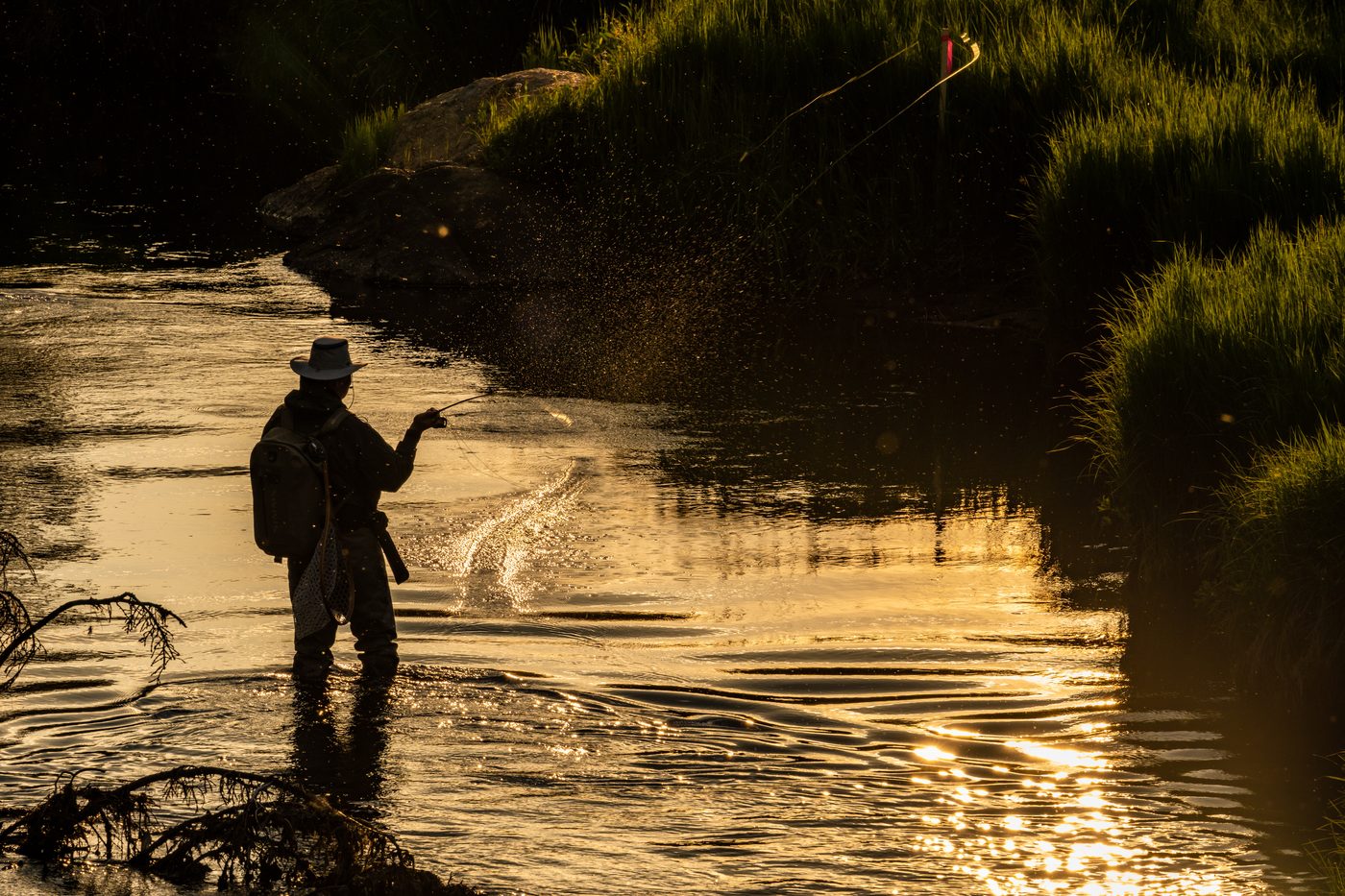
I spent years fighting wind on open water with a softer-action rod, watching my loops collapse and my distance evaporate the moment a gust picked up. The Helios 3D was built specifically for exactly that problem, and the first genuinely windy day I used it, I noticed the difference within a few casts.
Built for Distance and Wind, Not a Do-Everything Rod
Orvis offers the Helios 3D in a few distinct tapers, and the D (distance) version specifically prioritizes line speed and a tight, powerful loop over the more delicate, finesse-oriented presentation of the F (finesse) taper in the same series. That's an important distinction to understand before buying: this rod is optimized for covering open water fast, punching through wind, and making long casts efficiently — not for the softest possible presentation to a spooky trout sipping delicately in a calm spring creek, where the F taper or a different rod entirely would serve you better.
What "Fast Action" Actually Feels Like Here
The blank is genuinely stiff through the mid-section with a responsive tip, which translates into noticeably higher line speed for the same casting effort compared to a moderate-action rod. This is what actually cuts through wind — a faster, tighter loop simply punches through gusts that would open up and collapse a softer, slower-loading rod's loop. The tradeoff, and it's a real one, is that this action rewards good technique and can feel unforgiving to a caster who hasn't developed a crisp stop in their casting stroke; it doesn't do as much "work for you" as a more moderate, beginner-friendly rod does.
The Full Outfit: What You're Actually Getting
Buying this as an outfit rather than just the rod blank gets you a matched reel and pre-spooled line calibrated specifically to the rod's action, which removes a genuinely tricky variable for less experienced buyers — mismatching a rod, reel, and line is a common and frustrating mistake when assembling gear piece by piece. Having a system tuned together out of the box let me focus on actually fishing rather than troubleshooting whether a casting problem was technique or a mismatched line weight, which was worth real money in reduced frustration alone.
Build Quality and the Warranty
Orvis backs their rods with a strong, well-regarded lifetime warranty covering breakage regardless of fault, which matters more in fly fishing than most gear categories — rod tips snap in car doors, ceiling fans, and overzealous backcasts more often than anyone likes to admit, and knowing a legitimate warranty exists changes how confidently you actually fish hard water and travel with the rod rather than babying it. The cork grip quality and reel seat hardware both feel genuinely premium compared to mid-tier rods I've fished previously, holding up well to real saltwater and freshwater use without corrosion issues.
Who This Rod Is Actually For
If you're a beginner still developing a consistent casting stroke, this fast, distance-oriented action will likely be more frustrating than helpful — a moderate-action rod is genuinely the better learning tool and will forgive more casting mistakes while you build fundamentals. This rod earns its price for an intermediate-to-advanced angler who has the technique to load a fast rod properly and specifically needs to fight wind, cover distance on big rivers or saltwater flats, or turn over larger flies that a softer rod struggles with.
Pros and Cons
Pros:
- Exceptional line speed and wind-cutting performance for the distance-focused taper
- Matched outfit removes rod-reel-line mismatch guesswork for less experienced buyers
- Strong no-fault lifetime warranty gives real peace of mind fishing hard
- Premium cork and hardware hold up well across fresh and saltwater use
Cons:
- Fast action is unforgiving and not ideal for anglers still building casting technique
- Less delicate presentation than a moderate or finesse-taper rod for technical, spooky water
- Expensive relative to solid mid-tier outfits
Frequently Asked Questions
Is the Helios 3D a good rod for beginners?
Not ideally — its fast, distance-oriented action rewards developed casting technique and can feel unforgiving for someone still learning fundamentals; a moderate-action rod is typically a better starting point.
What's the difference between the D and F tapers?
The D (distance) taper prioritizes line speed and wind performance for covering open water, while the F (finesse) taper offers a softer, more delicate presentation better suited to technical, close-range casting situations.
Final Verdict
This isn't a rod that flatters bad technique, and it's honest about that trade. For an angler who's put the time into their cast and regularly fights wind or needs real distance, it delivers exactly the performance it's built around.
Rating: 9.0/10 — The first rod that made a genuinely windy day feel like a fair fight.