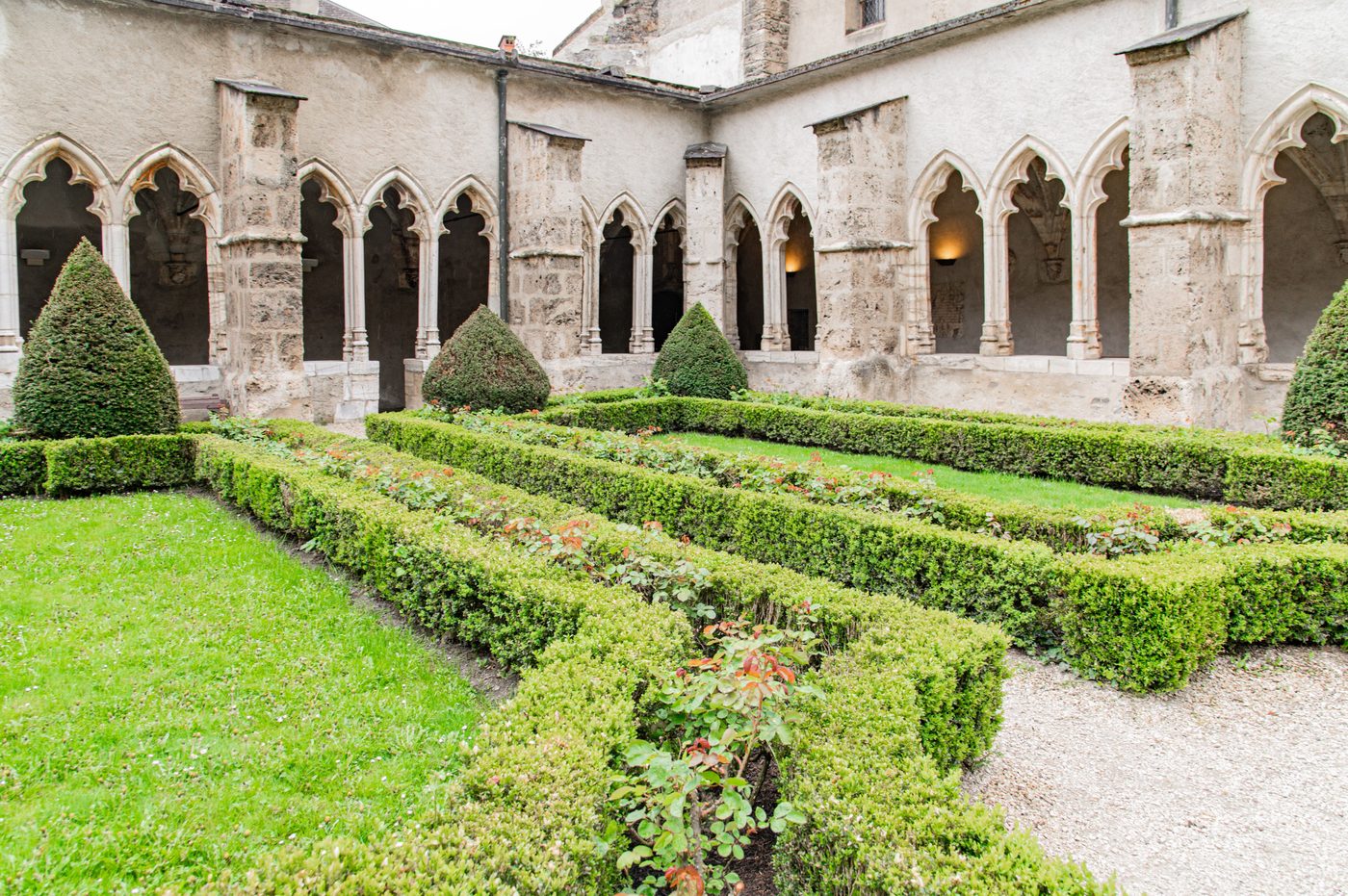
Lauren Groff imagines the mostly undocumented life of Marie de France, the real 12th-century poet, as a teenage royal outcast exiled to run a failing abbey -- who transforms it, over decades, into a self-sufficient womens' stronghold. Matrix was a 2021 National Book Award finalist and won the Joyce Carol Oates Prize. It also drew specific, sourced criticism for its narrative style. This review covers both, along with the real Goodreads numbers behind the book's reception.
What the Book Actually Is
Marie, deemed too coarse for court and too illegitimate for marriage, is exiled at seventeen to serve as prioress of an impoverished English abbey. Over the following decades she builds it into a self-governing, increasingly wealthy community of women, all while wrestling with mystical visions and her own complicated feelings about the royal court that discarded her.
About Lauren Groff and Why She Wrote This
Groff was born in Cooperstown, New York, and grew up a block from the Baseball Hall of Fame before earning her undergraduate degree at Amherst College and an MFA in fiction from the University of Wisconsin-Madison. She's a two-time National Book Award finalist -- for Fates and Furies and again for Matrix -- and has held Guggenheim and Radcliffe fellowships; she now lives in Gainesville, Florida, a setting that shaped her novel Florida and her story collections. She's said the idea for Matrix started at Amherst itself: as an undergraduate she nearly majored in Medieval French and immersed herself in the 12th-century poet Marie de France's lais, work she's described as "wild and weird and magical." Because almost nothing is documented about the real Marie de France's life, Groff built her fictional protagonist backward out of the surviving poems and fables themselves, rather than researching a biography and fitting fiction around it -- an inversion of the usual historical-novel process that she's called central to how the book came together.
What Critics Actually Said
Matrix was a finalist for the 2021 National Book Award for Fiction and won the Joyce Carol Oates Prize, real, verifiable literary recognition beyond critical praise. Reviewers have specifically praised Groff for writing 'with honesty and conviction about what it means to make a meaningful life,' highlighting the novel's prose and its exploration of female creativity and queer themes within a historical setting rarely centered this way.
Where Real Reviews Pushed Back
The most specific, recurring criticism concerns Groff's narrative technique: multiple reviewers note the novel relies on 'summary over scene and indirect dialogue over conversation,' a stylistic choice that some found distancing rather than immersive. One review went further, criticizing the portrayal of the historical Marie de France as thin, describing her poetic gift as arriving as though 'it came to me in a dream fully formed,' and calling the resulting narrative arc 'dim and spiritless.' Another reviewer noted they understood the National Book Award nomination but 'couldn't say they think it deserves to win.'
Who Marie de France Actually Was, as Far as Anyone Knows
Marie de France is a real historical figure, generally considered the first woman known to have written verse in French, and a genuinely influential voice in 12th-century European literature -- her lais, short rhymed tales of love and chivalry drawing on Breton oral tradition, later shaped writers including Chaucer. But almost nothing about her actual life is settled fact. Even her name comes only from lines inside her own manuscripts, not from any outside record, and scholars have spent decades debating whether she was a nun, an aristocrat, or someone else entirely. One long-standing theory, never proven, holds that she may have been Mary of Shaftesbury, an illegitimate daughter of Geoffrey V of Anjou and half-sister of King Henry II of England, who served as abbess of Shaftesbury Abbey from roughly the 1170s or 1180s until her death around 1215. That theory is plausible but contested -- other candidates include an Abbess of Reading and an Abbess of Barking -- and no historian claims certainty. Groff's novel takes the abbess theory and runs with it, but the gap between "one plausible scholarly theory" and "settled history" is exactly the space the novel is imagining into, not reporting on.
Building a Novel Out of a Near-Blank Historical Record
Because so little can be verified about Marie de France's actual life, Groff has said she worked in reverse from how historical fiction usually gets built: instead of researching a documented biography and inventing scenes to connect the dots, she read the lais and fables Marie left behind and reconstructed a plausible person who could have written them. That method shapes the novel's texture directly -- Marie's visions, her stubbornness, and her drive to make her abbey self-sufficient all read as extrapolations from the tone and preoccupations of the real poems rather than events pulled from any biography, because no such biography exists to pull from. It also explains why the novel leans so heavily on interiority and summary rather than dramatized incident: Groff was building a psychology to match surviving verse, not dramatizing a documented life.
Key Takeaways
- Marie de France was a real 12th-century poet and the first woman known to have written verse in French, but almost nothing about her actual biography is documented or settled among scholars
- Groff's novel runs with one contested scholarly theory -- that Marie de France may have been Mary of Shaftesbury, an illegitimate half-sister of King Henry II who served as an abbess -- rather than a proven identity
- Groff has said she built her fictional Marie backward from the surviving lais and fables themselves, since no real biography exists to research
- The idea for the novel traces to Groff's own undergraduate years at Amherst, where she nearly majored in Medieval French and studied Marie de France's actual poetry directly
- The novel's summary-heavy, interior narrative style that some reviewers pushed back on is tied to its method -- extrapolating a psychology from poems, rather than dramatizing documented historical events
Who This Book Is Actually For
Readers drawn to literary historical fiction centered on women's interior lives and communities, who don't need a scene-by-scene dramatized plot and are comfortable with a more summarized, meditative narrative pace.
Who Should Read Something Else Instead
If you want vivid, scene-driven historical fiction with extensive dialogue, the sourced criticism about Groff's summary-heavy technique is a fair warning that this book works differently.
Pros and Cons
Pros:
- 2021 National Book Award for Fiction finalist and Joyce Carol Oates Prize winner
- Genuinely distinctive premise -- a real historical woman's undocumented life, centered without a male perspective
- Praised by multiple reviewers for honest, convicted prose about building a meaningful life outside traditional structures
- Explores female creativity, spirituality, and queer themes within a rigorously researched medieval setting
- Solid 3.67 out of 5 rating across nearly 69,000 Goodreads ratings
Cons:
- Reviewers specifically note the novel relies on summary over scene, which distances rather than immerses some readers
- One review called the narrative arc 'dim and spiritless' despite acknowledging Groff's prose skill
- Even supportive reviewers say they understand the National Book Award nomination without agreeing it should have won
Frequently Asked Questions
Is Marie de France a real historical figure?
Yes, though very little is documented about her actual life -- Groff's novel is a substantially imagined account built around the few known facts.
What's the actual Goodreads rating?
3.67 out of 5 from roughly 68,700 ratings as of this writing.
What awards has it received?
A 2021 National Book Award for Fiction finalist slot and the Joyce Carol Oates Prize.
Is the writing style plot-driven or more literary?
More literary and meditative -- reviewers specifically note it favors summary and internal reflection over dramatized scenes and dialogue.
Sources & Further Reading
- Goodreads -- Matrix (aggregate rating, reader reviews)
- National Book Foundation -- 2021 Fiction finalist
- Harvard Gazette -- "Novelist Lauren Groff tells the origin story behind 'Matrix'"
- Waterstones -- "Lauren Groff on the Real-Life Marie de France"
- PositiveLifes.com — free inspirational and life-changing PDF books
Final Verdict
Matrix earned real, verifiable recognition -- a National Book Award finalist slot and the Joyce Carol Oates Prize -- for its ambitious reimagining of an undocumented historical life. The sourced criticism about its summary-heavy, scene-light narrative style is fair and worth knowing before you start, since it's a real barrier for readers who prefer dramatized plotting. If you want literary, meditative historical fiction centered on women's inner lives, it delivers something genuinely distinctive.
Buy Day rating: 7.7/10