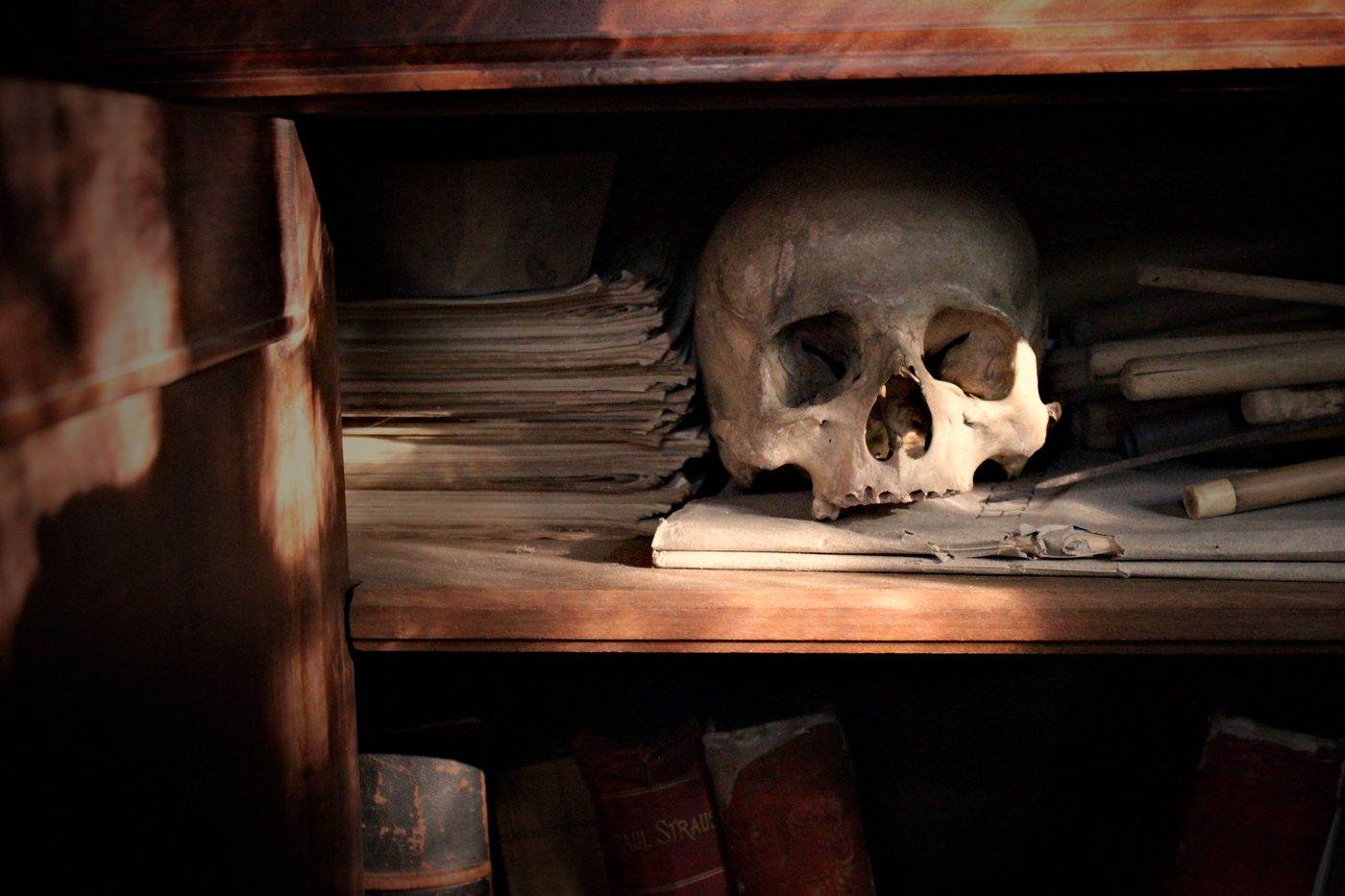
Alex Stern gets a full scholarship to Yale for one reason: she can see ghosts, and Yale's eight secret societies need someone to keep their occult rituals from getting out of hand. Leigh Bardugo's adult debut trades her YA fantasy roots for dark academia and murder mystery, and Kirkus Reviews called it compulsively readable. It's also drawn specific, sourced criticism about its structure -- readers say it leans heavily on narration over scene. This review covers both, plus the real Goodreads numbers behind nearly 420,000 ratings.
What the Book Actually Is
Alex Stern, a survivor with a troubled past and the rare ability to see ghosts without hallucinogens, becomes Yale's newest Lethe House watchdog, overseeing the magical rituals of the university's eight secret societies. When a young woman is murdered near campus, Alex investigates a case tangled up in the very occult power structures she's meant to police.
About Leigh Bardugo and Why She Wrote This
Bardugo was born in Jerusalem in 1975 and grew up in Los Angeles. She graduated from Yale in 1997 with a degree in English literature and, as an undergraduate, was a member of Wolf's Head, one of the university's real secret societies. Before publishing fiction, she worked as a journalist, a copywriter, and a makeup and special-effects artist. Her debut, Shadow and Bone, launched the Grishaverse in 2012, and the YA series that followed -- including Six of Crows and Crooked Kingdom -- became a Netflix adaptation; Ninth House, published in 2019, was her first novel written for adults. She's said the idea took root during her freshman year, when she was walking home from the Yale post office and passed a mausoleum-like building ringed by a black iron fence crawling with wrought-iron snakes -- the real "tomb" of the Book and Snake society -- and that image stayed with her. Returning to those buildings and memories years later also meant confronting the fact that, in her own account, not everything that happened to her at Yale had been positive, which pushed the book past atmosphere into something closer to a reckoning with the institution itself.
What Critics Actually Said
Kirkus Reviews wrote that 'with an aura of both enchantment and authenticity, Bardugo's compulsively readable novel leaves a portal ajar for equally dazzling sequels' -- a specific, positive assessment of both the atmosphere and the series potential. NPR's review leaned into the book's tone directly, describing its magic as 'grungy, dirty, street-side magic -- hard-earned, poorly understood, wild and dangerous,' capturing what makes the book's magic system distinct from more polished fantasy.
Where Real Reviews Pushed Back
The most specific, recurring structural criticism: reader reviews note the book is close to '90% narration,' with barely any dialogue -- a deliberate but polarizing choice some found effective world-building and others found a puzzling editorial decision that slows momentum, especially in the opening chapters. Multiple reviews independently flag the slow start as a real barrier before the plot picks up.
The Real Secret Societies Behind the Fiction
The eight societies that Alex's Lethe House is meant to police are real Yale institutions, and Bardugo uses their actual names throughout the novel: Skull and Bones, founded in 1832 and the oldest of the so-called "Ancient Eight," Book and Snake, Scroll and Key, and the rest, each housed in its own real, windowless "tomb" building on or near campus. The magic each society practices in the book -- Skull and Bones divining the future through entrails, for instance -- is entirely Bardugo's invention, but the buildings, the names, and the general aura of institutional secrecy are not. That blending is deliberate: by anchoring an invented magic system to real, physically verifiable places, the novel makes it easy to half-believe the occult layer is just the part of campus lore nobody talks about openly.
Dark Academia and the Cost of Institutional Power
Bardugo has been direct that the book isn't only a mystery wrapped in Ivy League atmosphere. Speaking to NPR around the novel's release, she said that writing about an institution like Yale meant she couldn't avoid privilege, class, gender, and race, and that a magic system operating essentially as a commodity meant reckoning with the damage people would do to each other if that kind of power were real. She's also said plainly that she wanted the book to unsettle readers rather than comfort them. That intent shapes who the plot treats as expendable: the magic the societies wield runs on exploiting people with the least power to protect themselves, which is the throughline critics and readers have pointed to as the novel's real subject beneath the ghosts and rituals.
Key Takeaways
- All eight secret societies in the novel are real Yale institutions -- Skull and Bones, Book and Snake, Scroll and Key, and others -- though the occult magic each one practices is entirely invented
- Bardugo has said the idea began with a real building: passing the Book and Snake tomb, ringed with wrought-iron snakes, as a Yale freshman walking home from the post office
- Bardugo herself belonged to Wolf's Head, one of Yale's real secret societies, as an English major in the class of 1997
- She's described the book's real subject as privilege, class, gender, and race within an elite institution, not just the murder mystery plot on the surface
- This is Bardugo's first adult novel after the YA Grishaverse (Shadow and Bone, Six of Crows), and she's said directly that she wanted it to unsettle readers rather than comfort them
Who This Book Is Actually For
Readers who want dense, atmospheric dark academia with a genuine murder mystery at its core, and who don't mind extended narration-heavy passages in exchange for a richly built magic system and morally complicated characters.
Who Should Read Something Else Instead
If you want dialogue-driven, fast-paced fantasy, the sourced criticism about heavy narration and a slow opening is a fair warning that this book asks for patience before it pays off.
Pros and Cons
Pros:
- Strong Kirkus endorsement calling it 'compulsively readable' with real atmosphere and authenticity
- Distinct, genuinely original magic system rooted in real Yale secret-society lore
- Strong 4.00 out of 5 rating across nearly 420,000 Goodreads ratings
- Morally complex protagonist and supporting cast rather than clean heroes and villains
- First in a trilogy, so the investment in dense world-building pays off across multiple books
Cons:
- Reader reviews specifically describe the book as close to 90% narration with very little dialogue
- Multiple independent reviews flag a slow, hard-to-get-into opening
- Dense prose style may deter readers who prefer scene-driven, dialogue-heavy fantasy
Frequently Asked Questions
Is this a young adult novel like Bardugo's other books?
No -- Ninth House is Bardugo's first adult novel, with more graphic violence and mature themes than her Grishaverse YA series.
What's the actual Goodreads rating?
4.00 out of 5 from roughly 419,800 ratings and over 61,000 written reviews as of this writing.
Is it part of a series?
Yes -- it's the first book in the planned Ninth House trilogy, with a sequel, Hell Bent, already released.
Why do some readers say it's slow to start?
Multiple reviews independently note a dense, narration-heavy opening that takes time to build momentum before the central mystery takes hold.
Sources & Further Reading
- Goodreads -- Ninth House (aggregate rating, reader reviews)
- Kirkus Reviews
- NPR -- review
- NPR -- "Leigh Bardugo On 'Ninth House'" author interview
- PositiveLifes.com — free inspirational and life-changing PDF books
Final Verdict
Ninth House earns its Kirkus praise for atmosphere and authenticity, and the 4.00 rating across nearly 420,000 ratings backs up genuine broad appeal. The narration-heavy structure and slow opening are real, sourced criticisms worth knowing before you start -- this is a book that rewards patience rather than delivering fast, dialogue-driven momentum. For readers who want dense, morally complicated dark academia, it delivers.
Buy Day rating: 8.2/10