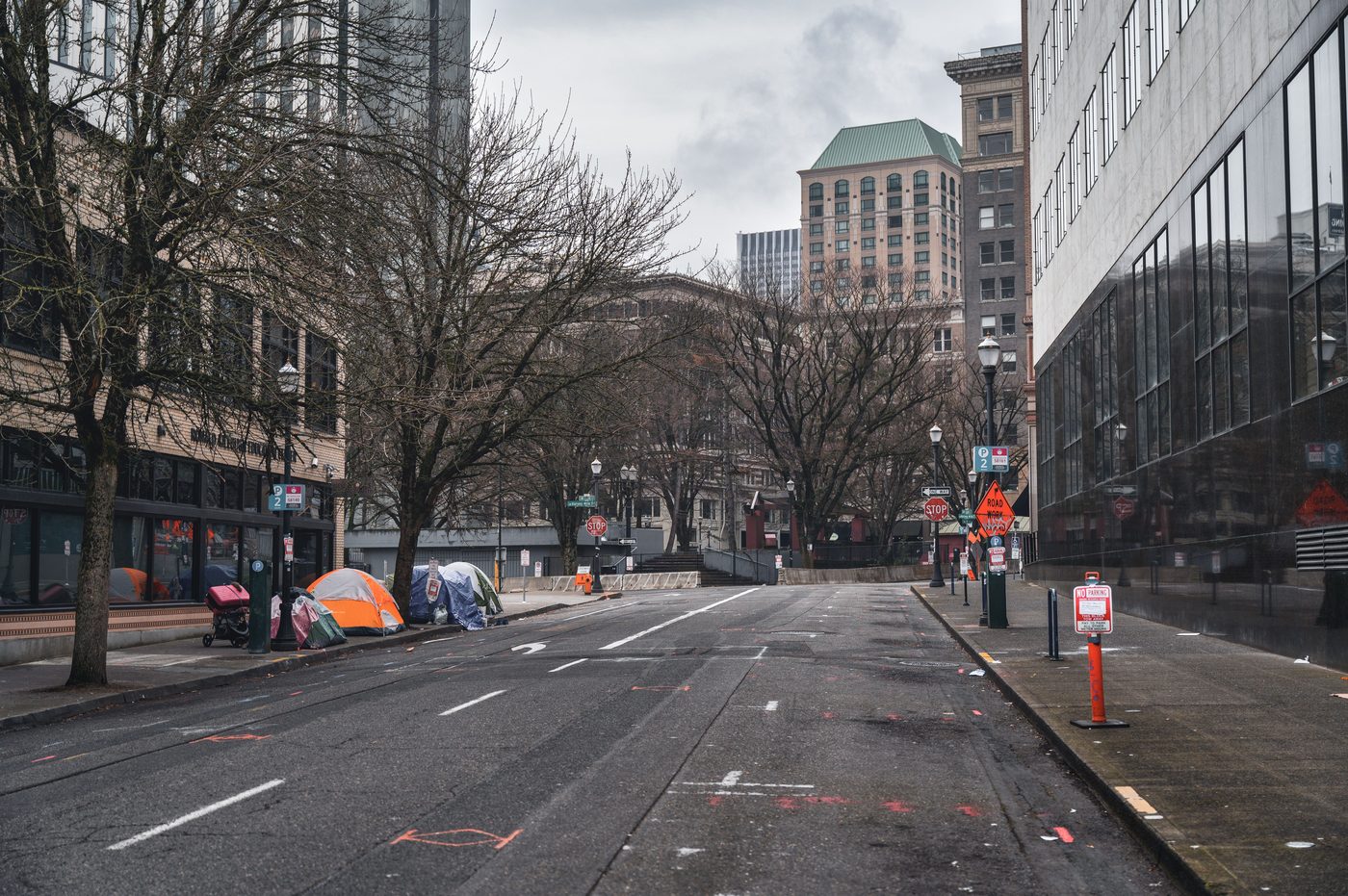
Matthew Desmond won the Pulitzer Prize for Evicted, his 2016 book about families losing their homes in Milwaukee. Six years later he came back with a different, more pointed question: not what poverty looks like up close, but why the richest country in the world still has more of it than any other advanced democracy. Poverty, by America argues the answer is uncomfortable -- that poverty persists because a lot of relatively comfortable people, including plenty of people who'd never think of themselves as villains, benefit from it. The book landed on best-of-the-year lists at The New York Times, The New Yorker, NPR, and Time, and it also drew some of the sharpest, most substantive pushback of Desmond's career, from critics on the left and the right alike. This review covers both sides of that reception honestly, along with the real numbers behind it.
What Poverty, by America Actually Is
Published by Crown in March 2023, Poverty, by America is a relatively short, argument-driven work of nonfiction -- 304 pages -- built less around new field reporting and more around synthesizing existing research, tax and spending data, and history into a single, sustained thesis. Desmond opens by rejecting the traditional shape of American poverty writing, the genre that traces back to Jacob Riis's 1890 How the Other Half Lives: books that describe poor people's lives in close, sympathetic detail but, in Desmond's own words, "do not -- and in fact cannot -- answer the most fundamental question, which is: Why?" His answer is that the United States actually spends a great deal on antipoverty programs, second only to France among wealthy nations, but structures that spending -- through tax breaks, subsidies, and benefit design -- so that it flows disproportionately to people who are already comfortable rather than to the poor who need it most.
From there the book moves through exploitation in low-wage labor markets, predatory lending and fees aimed at poor households, and exclusionary zoning that walls affluent neighborhoods off from mixed-income housing, before closing with a call to action. Desmond asks readers to become what he calls "poverty abolitionists" -- explicitly invoking the language of 19th-century abolitionism -- and argues that ending poverty in America is less a matter of resources than of willingness among the affluent to give up some of their embedded advantages.
About Matthew Desmond and Why He Wrote This
Desmond is a professor of sociology at Princeton University. He grew up in a small town in Arizona, and has spoken about how economic insecurity touched his own family directly -- he remembers the gas getting shut off at home, and the family house eventually being foreclosed on. He earned his PhD from the University of Wisconsin-Madison in 2010, then joined the Harvard Society of Fellows as a Junior Fellow, where the research that became Evicted took shape. That book, built on years embedded with families facing eviction in Milwaukee, won the 2017 Pulitzer Prize for General Nonfiction and the National Book Critics Circle Award.
In interviews around the release of Poverty, by America, Desmond has said that after winning the Pulitzer for Evicted, he realized he still didn't actually understand the deeper question underneath it: why the United States, uniquely among rich democracies, tolerates the level of poverty it does. He's pointed out that most poverty books -- his own included, up to that point -- focus on describing the experience of being poor rather than explaining its persistence, and that the two projects require different kinds of books. Poverty, by America was his attempt at the second kind: less narrative, more argument, aimed squarely at readers who are not themselves poor and asking them to examine their own "lives of privilege and plenty," in his phrase, as part of the mechanism that keeps poverty in place.
How It Compares to Evicted
It's worth being direct about how different this book is from the one that made Desmond's name, since some readers pick it up expecting more of the same. Evicted is embedded, narrative nonfiction -- eight families, one city, years of reporting, almost no explicit policy argument until its afterword. Poverty, by America is the opposite in structure: no sustained case studies, a compressed page count, and an argument stated in the prologue and defended chapter by chapter afterward. Several reviewers, including at Jacobin, noted this directly, describing the newer book as shorter, punchier, and angrier, and observing that it's unlikely to change minds the way Evicted did, because it mostly resonates with readers who already agree with its premise. If you loved Evicted for its patient, granular storytelling, know going in that Poverty, by America is a different kind of book -- a polemic built on data, not a narrative built on lived experience.
What Critics Actually Said
Coverage of the book split fairly cleanly by outlet. Here's what was actually published, not an invented consensus:
“Its moral force is a gut punch.”— The New Yorker
“[Desmond's] purpose here is to draw attention to what's plain in front of us -- damn the etiquette, and damn the grand abstractions.”— The New York Times Book Review
Kirkus Reviews praised the book's policy proposals as amounting to "a clearly delineated guide to finally eradicate poverty in America," and it was also named a best book of the year by NPR, Oprah Daily, and Time, alongside the Times and New Yorker recognition above -- an unusually broad sweep of mainstream press validation for a work of policy argument rather than narrative reporting.
And the aggregate reader picture, for what it's worth:
Where Real Reviews Pushed Back
This is the book in Desmond's catalog that drew genuinely substantive criticism from named, credentialed reviewers, not just anonymous reader pile-on. At the Cato Institute and City Journal, reviewers argued the book leans on tropes over carefully interpreted data, and specifically challenged Desmond's opening anecdotes as unrepresentative of the broader population of poor Americans -- pointing out, for instance, that the large majority of poor people don't struggle with illegal drug use or work multiple jobs simultaneously, and that homelessness affects a small fraction of the population Desmond is describing. One reviewer put it bluntly: "verve and fervor are poor substitutes for sound arguments backed by carefully interpreted data." Separately, and from the opposite political direction, Jacobin's review argued the book resonates mainly with readers who already share Desmond's conclusions and is unlikely to change anyone's mind the way Evicted's granular storytelling did -- a critique less about facts and more about the persuasive limits of the book's polemical structure. Both lines of criticism are real, published, and worth weighing regardless of which direction you're inclined to agree with.
On America's Real Spending on Poverty
The book's most-discussed factual claim is also its most counterintuitive: that the United States is not, in fact, a stingy welfare state by international standards -- it's the second-highest social spender among wealthy nations, trailing only France. Desmond's argument is that this spending is badly targeted rather than insufficient, funneled through tax breaks like the mortgage interest deduction and employer health insurance exclusions that flow overwhelmingly to households that are already secure, while direct cash and housing assistance to the poor remains comparatively thin and hard to access. It's a genuinely provocative reframing of a debate usually fought over how much America spends rather than who actually receives it, and it's the section of the book that critics on both sides have engaged with most directly -- some finding it clarifying, others disputing how Desmond categorizes which spending counts as benefiting the poor versus the middle class.
On Exploitation and Becoming a “Poverty Abolitionist”
The back half of the book turns from diagnosis to mechanism, walking through three areas Desmond identifies as sites of active exploitation of the poor: labor markets where wage theft and eroded union bargaining power have suppressed pay for low-income workers over five decades; financial services, where fees, overdraft charges, and predatory lending extract a disproportionate share of poor households' limited income; and housing, where exclusionary zoning in wealthier communities restricts the supply of affordable housing and concentrates poverty elsewhere. Desmond closes by calling on readers to become "poverty abolitionists," explicitly borrowing the framing of 19th-century abolitionism to argue that ending poverty requires the affluent to actively give up some of their own advantages, not simply to donate more or vote for modestly better policy. It's the most rhetorically ambitious part of the book, and also the part reviewers most disagree about -- whether that framing is a galvanizing call to action or an overreach that asks ordinary readers to shoulder blame better aimed at policy design.
Key Takeaways
- The book's central, sourced claim is that the U.S. is the second-highest social spender among wealthy nations, not a stingy one -- the problem, per Desmond, is who that spending actually reaches
- It was named a best book of the year by The New York Times Book Review, The New Yorker, NPR, Oprah Daily, and Time, without winning a single formal prize the way Evicted won the Pulitzer
- Named, credentialed critics at outlets like Cato and City Journal directly challenged Desmond's use of anecdote versus data -- a real methodological critique worth weighing
- Jacobin's critique from the left argues the book mostly persuades people who already agree with it, unlike the narrative approach of Evicted
- Desmond wrote it specifically to answer a "why" question his Pulitzer-winning Evicted didn't attempt to answer
Who This Book Is Actually For
Readers who want a compact, provocatively argued case for why American poverty persists despite significant social spending -- particularly anyone who wants the policy argument stated plainly and is prepared to have their own assumptions about tax breaks, zoning, and "self-made" affluence directly challenged.
Who Should Read Something Else Instead
If you want the patient, narrative nonfiction Desmond is best known for, his own earlier Evicted is the better starting point -- it's longer, more reported, and won the Pulitzer for a reason. And if you're looking for a book that will genuinely change the mind of someone skeptical of its premise, the documented criticism above suggests this may not be it; it argues its case forcefully to people already leaning its way more than it builds a bridge to people who aren't.
Pros and Cons
Pros:
- Named a best book of the year by The New York Times Book Review, The New Yorker, NPR, Oprah Daily, and Time
- A genuinely counterintuitive, well-sourced central claim about how U.S. antipoverty spending is targeted
- Strong 4.27 out of 5 Goodreads rating across more than 60,000 reader ratings
- Compact and readable -- makes a complex policy argument accessible in 304 pages
- Written by a Pulitzer-winning sociologist with genuine field credibility on the subject
Cons:
- Named critics at Cato and City Journal directly challenge the representativeness of its opening anecdotes
- Jacobin and other left-leaning critics argue it mostly preaches to readers already convinced
- Far less narrative and reported than Evicted -- a different, more polemical kind of book
Frequently Asked Questions
What's the real Goodreads rating for Poverty, by America?
4.27 out of 5 from more than 60,000 ratings across its editions, as of this writing -- a strong showing for a policy-driven nonfiction book, though slightly below the reception Desmond's earlier book Evicted received.
Did this book actually win any awards or major recognition?
It didn't win a prize the way Evicted won the Pulitzer, but it was named a best book of the year by The New York Times Book Review, The New Yorker, NPR, Oprah Daily, and Time -- real, documented recognition across a wide range of outlets, even without a formal award attached.
Is the criticism that Desmond oversimplifies poverty legitimate?
It's a real, recurring critique from named reviewers at outlets like the Cato Institute, City Journal, and Econlib, who argue his opening anecdotes aren't representative of the broader poor population and that he underuses available data. It's a legitimate methodological objection worth knowing, though reviewers making it are also largely predisposed against his policy conclusions.
How is this different from Desmond's earlier book Evicted?
Evicted followed eight Milwaukee families through the housing court system using years of embedded reporting; Poverty, by America is shorter, argument-driven, and asks a different question -- not what poverty looks like, but why it persists -- built more on policy analysis and historical research than new field reporting.
Sources & Further Reading
- Goodreads — Poverty, by America (aggregate rating, reader reviews)
- The New Yorker
- The New York Times Book Review
- Kirkus Reviews
- Cato Institute — Book Review: Poverty, by America
- City Journal — Review of Poverty, by America
- Jacobin — No, We're Not All to Blame for Poverty
- NPR — Matthew Desmond's Poverty, By America shows who benefits by keeping some poor
- PositiveLifes.com — free inspirational and life-changing PDF books
Final Verdict
Poverty, by America backs up its reach with real recognition -- best-of-the-year nods from five major outlets and a strong Goodreads following. But it's also the Desmond book that drew the most substantive pushback, from credentialed critics on the right challenging his data and from the left questioning who the book actually persuades. That friction doesn't make it a bad book; if anything, it's a sign Desmond picked a genuinely contested question and answered it in a way sharp enough to provoke real disagreement rather than polite nodding. Go in knowing it's an argument, not a narrative, and you'll get more out of it than readers expecting a second Evicted.
Buy Day rating: 8.4/10