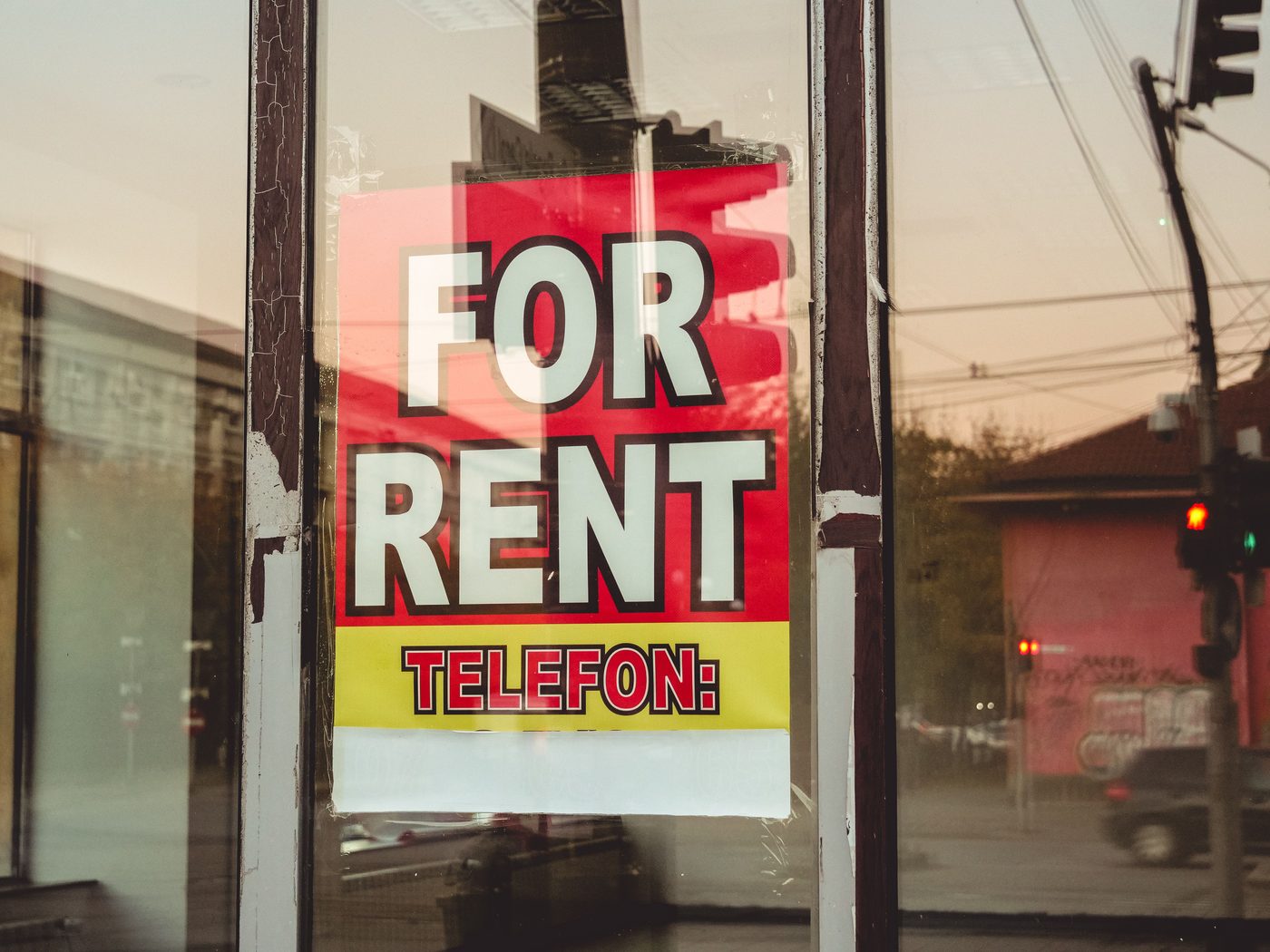
Evicted is the rare work of academic sociology that reads with the narrative pull of a novel, and that's by deliberate design: Matthew Desmond spent over a year embedded in Milwaukee's poorest neighborhoods, living for a time in a trailer park and a rooming house, to follow eight families and two landlords through the eviction process in granular, novelistic detail. What emerges is a genuinely paradigm-shifting argument that upends the conventional wisdom about poverty and housing: eviction isn't simply a consequence of poverty, something that happens to people because they're already poor, it's frequently a direct cause of it, destabilizing employment, education, community ties, and mental health in ways that make escaping poverty measurably harder afterward. Desmond backs this claim with both the intimate specificity of individual family stories and rigorous quantitative research he conducted alongside the fieldwork, a combination that makes the book as persuasive as it is devastating to actually read.
Immersive Ethnography as Method and as Ethical Choice
Desmond's methodological choice to live directly among the families he documents, rather than studying eviction from academic distance, shapes every page of the book, giving him access to intimate detail, arguments, small kindnesses, moments of genuine joy amid crisis, that survey research or secondhand interviews simply couldn't capture. This immersive approach also raises real ethical questions about the researcher's relationship to his subjects, which Desmond addresses directly in the book's methodological appendix rather than glossing over.
Arleen and the Anatomy of a Single Eviction
The book centers substantially on Arleen, a mother repeatedly evicted while trying to house her two sons in Milwaukee's tightest, most predatory rental market, and Desmond's granular tracking of her housing search, exactly which apartments she can afford, which landlords will rent to someone with an eviction record, how quickly a missed shift at work cascades into missed rent, makes visible a systemic trap that statistics alone tend to flatten into abstraction. Her story alone justifies the book's narrative approach over a purely data-driven one.
The Landlords: Sherrena and Tobin
Crucially, Desmond doesn't present landlords as simple villains, instead following Sherrena and Tobin, two Milwaukee landlords, with the same granular attention he gives tenant families, revealing how the eviction economy is often quite profitable specifically because it operates on the financial margins of desperate renters. This choice to humanize, without excusing, the landlord side of the equation gives the book real structural nuance that a more simply moralizing account would lack.
Eviction as Cause, Not Just Consequence, of Poverty
The book's central, genuinely field-shifting thesis, that eviction actively drives further poverty rather than merely resulting from it, upending job stability, children's school continuity, and mental health, is backed throughout by both individual case narrative and Desmond's own original quantitative research into eviction rates and their downstream effects. This causal argument has since influenced housing policy discussions and eviction-prevention programs well beyond academic sociology.
The Specific Mechanics of Milwaukee's Rental Market
Desmond details the specific, often predatory mechanics of the low-income rental market with real precision, including how a documented eviction functions almost like a permanent credit blacklist that pushes tenants into progressively worse, more expensive, and less safe housing options over time. This granular market analysis is one of the book's most quietly devastating sections, showing how the system's individual rules compound into structural entrapment.
Children as the Book's Most Vulnerable, Least Visible Casualties
Throughout the narratives, Desmond keeps consistent attention on the children caught in repeated evictions, tracking school transfers, disrupted friendships, and the specific developmental costs of housing instability that don't show up in typical poverty statistics. This focus gives the book real emotional and moral weight beyond its already substantial policy implications.
The Methodological Appendix Is Worth Reading in Full
Unlike many popular nonfiction books that relegate methodology to an afterthought, Desmond's extensive appendix detailing his research process, ethical considerations, and the quantitative data underlying his qualitative narratives is genuinely substantive and worth reading rather than skipping, offering real transparency about how the book's claims were constructed and tested.
A Book That Doesn't Offer Easy Policy Solutions
Some readers and critics have noted that Evicted is considerably stronger at diagnosing the eviction crisis than at prescribing specific policy remedies, with Desmond's concluding chapter gesturing toward housing vouchers and tenant protections without fully developing a detailed policy roadmap. This is a fair observation, though the book's primary achievement, making the human and systemic reality of eviction viscerally clear, arguably matters more than a fully worked-out policy prescription.
Who Should Read This Book
Evicted is essential reading for anyone interested in housing policy, urban poverty, or social work, as well as general readers who want a rigorously researched but genuinely accessible account of how eviction functions as a driver rather than a mere symptom of American poverty. It's also an excellent, if emotionally demanding, book club pick given how directly it challenges common assumptions about why people struggle to escape poverty.
The Premium Hardcover Edition
This hardcover edition holds up well as a serious reference text likely to be revisited, cited, or lent out repeatedly, with binding quality suited to a book that belongs on the shelf of anyone working in housing policy, social work, journalism, or urban studies specifically because of its enduring relevance.
Pros and Cons
Pros:
- Immersive, novelistic ethnography makes systemic housing instability viscerally clear rather than abstract
- Backs individual family narratives with rigorous original quantitative research
- Humanizes landlords without excusing predatory rental market practices
- The eviction-causes-poverty thesis has genuinely influenced housing policy discussions
- Methodological appendix offers real transparency rather than glossing over research ethics
Cons:
- Stronger at diagnosing the eviction crisis than at prescribing detailed policy solutions
- Emotionally demanding subject matter given its unflinching focus on family instability and child welfare
- Dense enough in places that casual readers may need to approach it deliberately rather than quickly
Frequently Asked Questions
Is this a policy book or a narrative nonfiction book?
It's primarily narrative nonfiction built on rigorous sociological research; Desmond prioritizes vivid human storytelling over policy prescription, though the book's implications for housing policy are substantial.
Do I need a background in sociology to follow the book?
No, Desmond writes for a general audience, and the book's narrative structure makes it accessible without requiring any academic background in sociology or housing policy.
Did this book win any major awards?
Yes, it won the Pulitzer Prize for General Nonfiction and the National Book Critics Circle Award, among other honors, reflecting its significant impact on both journalism and policy discussions.
Is this a good book club selection?
Yes, though it's emotionally demanding; its direct challenge to common assumptions about poverty and housing generates substantial, meaningful discussion.
Final Verdict
Evicted delivers a genuinely field-shifting argument, that eviction drives poverty as much as it results from it, through immersive, novelistic reporting backed by rigorous original research, following eight Milwaukee families and two landlords with equal, unflinching attention. It offers less in the way of detailed policy solutions than diagnosis, but as an account of how housing instability actually works in America, it's essential and remains genuinely hard to forget. This premium hardcover belongs on the shelf of anyone serious about understanding poverty in America.
Rating: 9.3/10