1Q84 opens with a genuinely disorienting premise that Haruki Murakami spends the novel's substantial length carefully developing, Aomame, a fitness instructor and secret vigilante who punishes men guilty of domestic abuse, climbing down an emergency staircase from a stalled highway to avoid traffic and gradually realizing she has somehow slipped into a subtly altered version of reality she comes to call 1Q84, a world genuinely similar to her own except for small, unsettling differences, including the disorienting detail that two moons now visibly hang in the sky. Murakami weaves Aomame's narrative together with a genuinely parallel storyline following Tengo, an aspiring novelist and math tutor drawn into ghostwriting a mysterious, talented teenage girl's manuscript about a shadowy religious cult, a decision that gradually entangles him in the same strange alternate reality Aomame now inhabits and connects him to her through a childhood connection neither has forgotten despite decades of separation, and the novel builds its genuinely sprawling narrative around themes of fate, the specific power and danger of storytelling itself, religious extremism, and the possibility that two people's connection might prove strong enough to eventually bridge even the genuinely strange gap between separate, subtly divergent realities.
Aomame's Descent Into an Altered Reality
The novel's genuinely disorienting opening premise, Aomame's discovery that she has slipped into a subtly altered version of reality after descending an emergency highway staircase, gives the book its distinctive, unsettling central mystery.
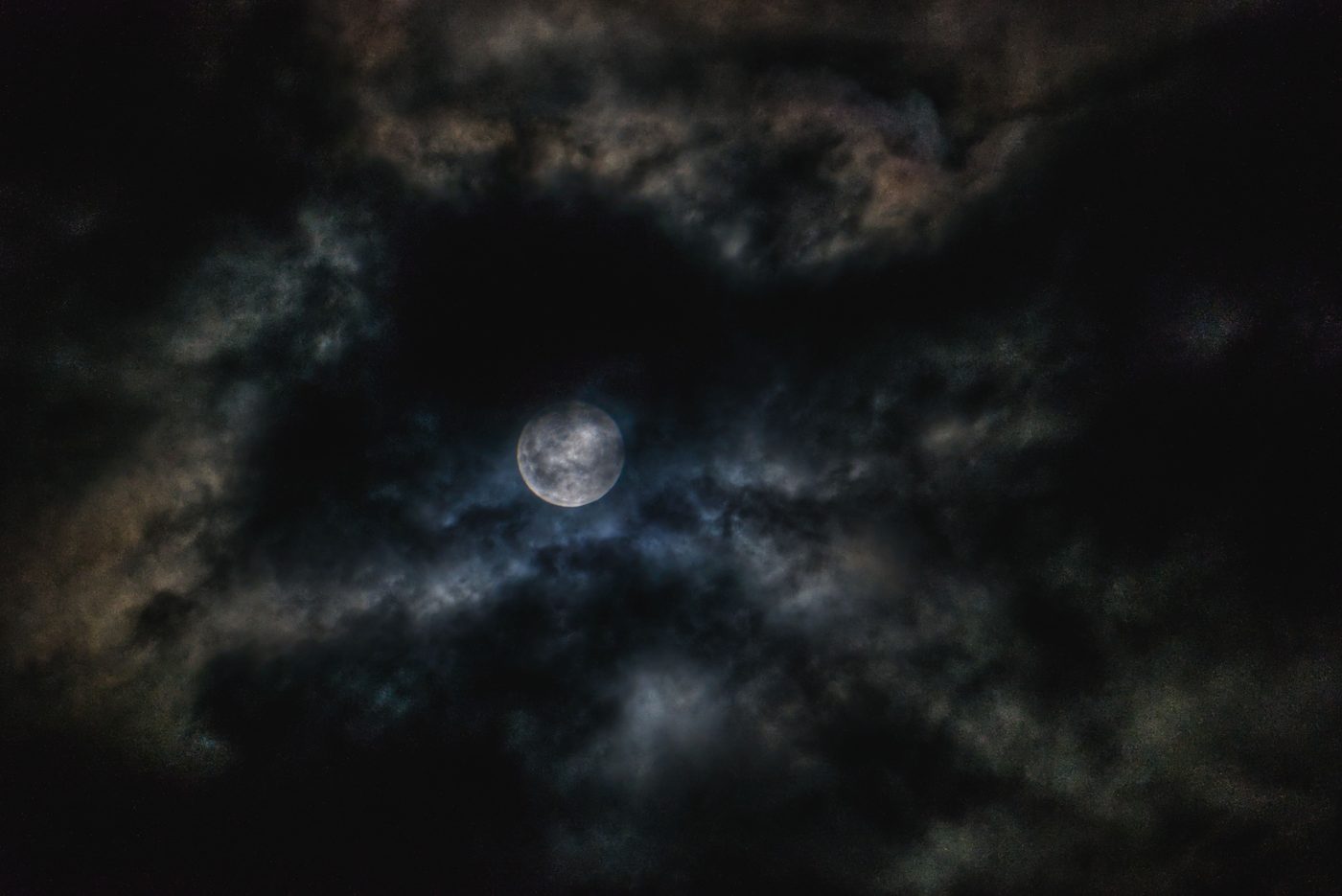
Two Moons in the Sky
The specific, genuinely disorienting detail of two moons visibly hanging in the sky within the altered reality of 1Q84 gives readers a precise, memorable image anchoring the novel's broader themes of subtle reality divergence.
Aomame as Secret Vigilante
Aomame's secret work punishing men guilty of domestic abuse gives her character genuine moral complexity and narrative tension, complicating any simple categorization of her as purely victim or purely hero.
Tengo's Ghostwriting Entanglement
Tengo's decision to ghostwrite a mysterious teenage girl's manuscript about a religious cult gives the novel's parallel storyline its own distinct narrative momentum while gradually entangling him in Aomame's strange reality.
A Shadowy Religious Cult
The novel's sustained attention to a shadowy, genuinely dangerous religious cult connects both Aomame's and Tengo's storylines, giving the book real thematic substance around religious extremism and manipulation.
A Childhood Connection Across Decades
The gradually revealed childhood connection between Aomame and Tengo, unforgotten despite decades of separation, gives the novel's parallel narratives genuine emotional stakes and forward momentum toward eventual reunion.
The Power and Danger of Storytelling Itself
Murakami's sustained thematic attention to storytelling's genuine power and danger, embedded in the ghostwritten manuscript plot, gives the novel real self-reflexive literary depth beyond its genre-blending plot mechanics.
A Sprawling, Genre-Blending Narrative
The novel's genuinely sprawling scope and its blend of literary fiction, magical realism, and mystery elements gives it distinctive ambition, though it demands real patience and sustained attention from readers.
Who Should Read This Book
1Q84 is valuable for readers who enjoy Murakami's distinctive blend of magical realism and literary fiction specifically, as well as anyone willing to invest in a genuinely sprawling, ambitious novel exploring fate, connection, and altered reality.
The Premium Hardcover Edition
This hardcover edition is a substantial, well-produced volume appropriate for a novel widely regarded as one of Murakami's most ambitious works, with binding quality suited to a title many readers treat as a significant reading undertaking.
Pros and Cons
Pros:
- Genuinely disorienting altered reality premise gives the novel a distinctive, unsettling central mystery
- The two moons detail offers a precise, memorable image anchoring the book's broader themes
- Aomame's secret vigilante work gives her character genuine moral complexity beyond simple categorization
- Childhood connection across decades gives the parallel narratives real emotional stakes and momentum
- Sustained thematic attention to storytelling's power gives the novel genuine self-reflexive literary depth
Cons:
- Genuinely enormous length represents a significant time investment even among Murakami's substantial body of work
- Sprawling, deliberately paced narrative structure requires real patience from readers wanting faster momentum
- Some plot threads and mysteries remain deliberately ambiguous, which may frustrate readers wanting full resolution
Frequently Asked Questions
What does the title 1Q84 mean?
It refers to the subtly altered version of reality, similar to 1984 but with unsettling differences like two moons in the sky, that Aomame discovers she has slipped into.
How long is this novel?
It's genuinely enormous, one of Murakami's most substantial works, and readers should expect a significant time commitment given its sprawling scope and parallel narratives.
Are Aomame and Tengo connected?
Yes, they share a childhood connection unforgotten despite decades of separation, which becomes central to the novel's emotional stakes as both storylines gradually converge.
Is this book realistic fiction or does it include fantasy elements?
It genuinely blends literary fiction with magical realism, centered on the subtly altered reality both main characters navigate throughout the novel.
Final Verdict
1Q84 delivers Haruki Murakami's genuinely sprawling, ambitious novel following two parallel narratives, Aomame's discovery of a subtly altered reality and Tengo's entanglement with a dangerous religious cult, connected by a childhood bond spanning decades. Its distinctive blend of magical realism, mystery, and meditation on storytelling's power gives it real literary substance. This premium hardcover is essential, genuinely immersive reading for anyone willing to invest in one of contemporary literature's most ambitious explorations of fate and connection.
Rating: 8.5/10