Remarque, who served in the German army during World War I, wrote this specifically to counter the heroic war narratives popular in the years after the armistice, narrating from the German side in flat, unglorified prose that refuses every opportunity to make the war's violence mean something noble. That refusal was itself the radical, controversial choice.
A Deliberate Rejection of Heroic War Narrative
Remarque wrote explicitly against the romanticized, patriotic war literature dominant in the 1920s, and his narrator Paul Baumer's flat, observational prose - describing horrific violence with the same tone as mundane trench routine - was a deliberate formal choice refusing readers the emotional comfort of narrative meaning-making around suffering.
The German Perspective as a Genuinely Bold Choice
Publishing a sympathetic, humanizing account of German soldiers so soon after the war, for both German and eventually international audiences, was itself a significant and controversial choice, and the novel's insistence on ordinary German soldiers' shared humanity with their enemies drew real hostility from nationalist critics on publication.
Paul's Classroom Recruitment as the Novel's Root Indictment
The novel opens by establishing how Paul and his classmates were pressured into enlisting by a nationalist schoolteacher trading on rhetoric about glory and duty, and this early scene functions as the novel's clearest, most direct indictment of the institutions that sent an entire generation to slaughter for abstractions.
The Physical, Unglamorous Detail of Trench Life
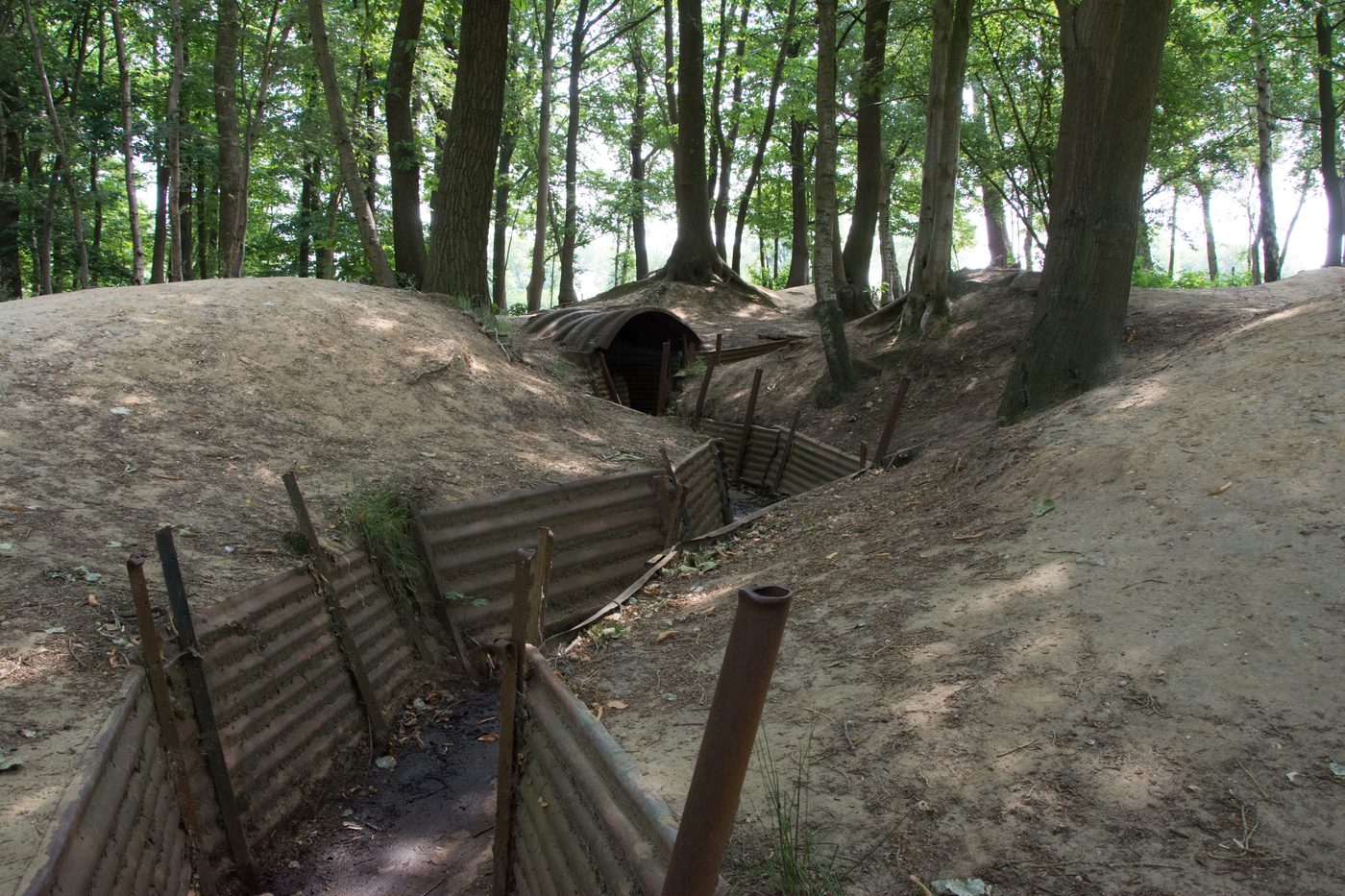
Remarque renders the specific physical realities of trench warfare - rats, mud, inadequate food, the particular sounds of different artillery - with unflinching, granular detail that grounds the novel's larger arguments in concrete, sensory specificity rather than abstract anti-war rhetoric.
Kemmerich's Boots as a Small, Devastating Recurring Symbol
A dying soldier's boots, passed from owner to owner as each successive holder is killed, function as one of the novel's most quietly devastating recurring images, reducing the war's mass casualties to a single, trackable, human-scaled object moving through repeated loss.
The Famous Scene With the French Soldier Duval
Without spoiling the specific sequence, an extended passage in which Paul is trapped with an enemy soldier he has fatally wounded forces a direct confrontation with the war's abstraction of the enemy into something less than human, becoming one of the novel's most philosophically direct passages on shared humanity across the trenches.
The Impossibility of Return, Even When Physically Possible
A pivotal home-leave sequence demonstrates that even physical survival and return offer no real escape - Paul finds himself permanently alienated from civilian life and prewar relationships, unable to translate his experience into language others can receive, a theme that resonates well beyond this specific war.
The Novel's Famous, Deliberately Anticlimactic Final Line
Without spoiling the specific ending, the novel's closing report on Paul's fate is rendered with the same flat, unglorified tone as the rest of the book - a final, deliberate refusal to grant even his death narrative meaning or heroism, delivering the novel's argument with real, calculated coldness.
A Book That Was Banned and Burned for Its Honesty
The novel's unflinching, unromantic honesty made it a target for Nazi book burnings within a few years of publication, and Remarque himself was eventually stripped of German citizenship - a documented historical consequence of the book's refusal to make the war mean anything noble.
Who Should Read This
Readers interested in the foundational anti-war novel that shaped how a century of subsequent war literature gets written, anyone drawn to a German perspective on WWI rarely centered in English-language war narratives, and readers who appreciate flat, unglorified prose used as a deliberate, radical formal choice.
Pros and Cons
Pros:
- Flat, unglorified prose is a deliberate formal choice that refuses easy narrative comfort around violence
- The German soldier's perspective was a genuinely bold, controversial choice for its era
- Grounds its larger anti-war argument in concrete, granular physical and sensory detail
- Documented real historical consequence - banned and burned - underscoring the honesty of its argument
Cons:
- Deliberately unglorified, unsentimental tone offers little narrative comfort or relief
- Sustained, unflinching depiction of violence and trauma makes for genuinely difficult reading
Frequently Asked Questions
Is this pro-German or anti-war?
Anti-war specifically - it humanizes German soldiers while refusing to glorify their cause or the war itself, drawing hostility from nationalist critics on both sides.
Why is the prose so flat and unemotional?
It's a deliberate choice - Remarque refuses readers the comfort of narrative meaning-making around violence, which is central to the novel's anti-war argument.
Is this an autobiography?
It's fiction, though Remarque did serve in the German army during WWI, which informs the novel's specific physical and sensory authenticity.
Why was this book banned by the Nazis?
Its unflinching, unromantic honesty about the war's costs made it a direct target - Remarque was later stripped of German citizenship as a documented consequence.
Final Verdict
Written by a veteran who refused every opportunity to make the war noble, this remains the foundational anti-war novel precisely because of what it withholds - meaning, heroism, comfort - rather than what it depicts.
Rating: 9.3/10