Hosseini opens with a father telling his two young children a folk tale about a parent forced to give up a child to save the rest of the family, and then spends the rest of the novel showing, through a real, decades-spanning sibling separation, exactly how far the emotional aftershocks of one such choice can travel - across continents, generations, and characters who never even meet the siblings at the story's center.
A Structure Built From Ripple Effects, Not a Single Throughline
Unlike Hosseini's earlier, more tightly focused novels, this book is structured as a series of interconnected stories following an expanding web of characters only loosely connected to the central sibling separation, deliberately trading narrative tightness for a demonstration of how far a single family decision's consequences can actually travel.
The Opening Folk Tale as the Novel's Governing Metaphor
The father's told story about a similar forced separation, delivered before the novel's actual central event occurs, functions as both direct foreshadowing and the novel's explicit thesis statement about impossible choices and their lasting costs - worth returning to once you've finished the full novel.
Abdullah and Pari's Separation as the Novel's True Center
Despite the novel's wide-ranging structure, the central relationship between siblings Abdullah and Pari, separated in childhood under wrenching family circumstances, remains its actual emotional anchor, and tracking how the novel eventually, gradually returns to their specific story rewards patience with its wider digressions.
Characters Who Only Tangentially Touch the Central Story
Several extended sections follow characters connected only indirectly - sometimes barely at all - to the central sibling separation, a structural risk that asks readers to trust the novel's larger thematic point about interconnected consequence even when individual chapters' relevance isn't immediately obvious.
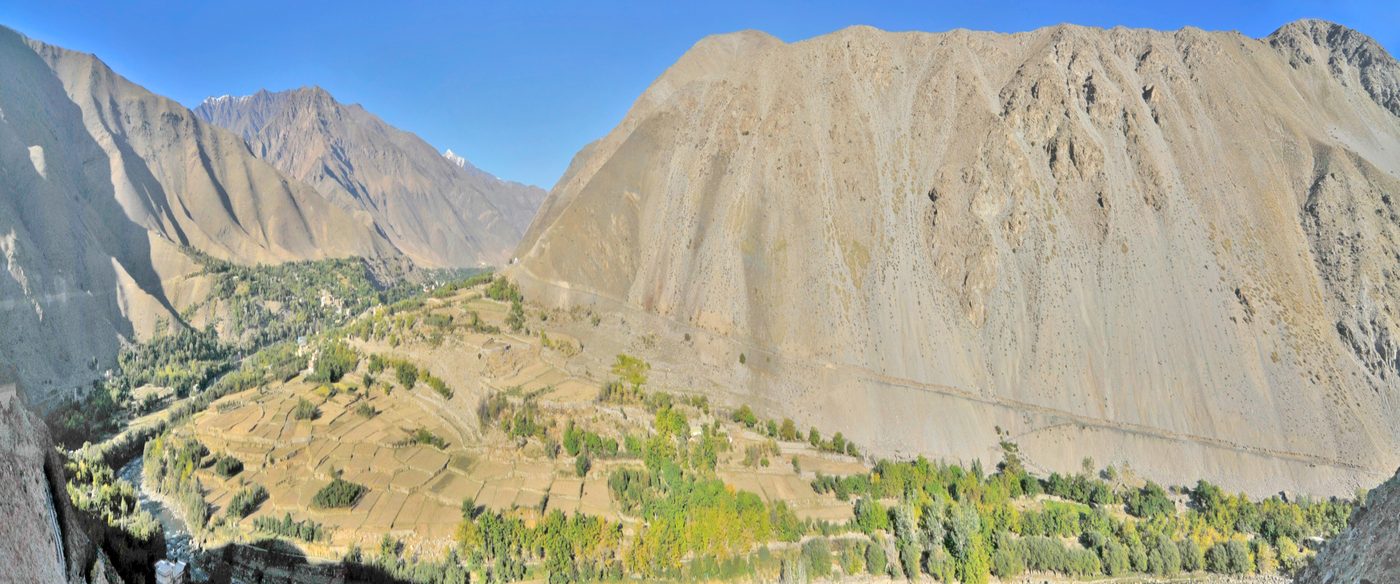
Afghanistan Rendered Across Multiple Historical Periods
The novel's Afghan sections span multiple distinct historical periods - pre-Soviet, Soviet occupation, civil war, Taliban rule, and beyond - giving it a broader historical range than Hosseini's earlier novels, which tended to concentrate more tightly on specific eras.
Diaspora Experience Given Equal Narrative Weight
Significant sections follow Afghan characters and their descendants living in the United States and Europe, and Hosseini gives their diaspora experience - complicated relationships to a homeland experienced secondhand or through memory - genuine narrative weight rather than treating it as secondary to the Afghanistan-set material.
Nabi's Perspective as a Structural Turning Point
A servant named Nabi, whose own complicated involvement in the siblings' separation is revealed through an extended late letter, provides one of the novel's most structurally important perspective shifts, recontextualizing earlier events once his fuller account is finally provided.
Guilt and Complicity as a Recurring Structural Thread
Beyond the central sibling separation, multiple characters throughout the novel's wider web carry their own specific forms of guilt over choices involving family obligation, and this recurring thread gives the novel's sprawling structure genuine thematic coherence despite its wide geographic and temporal range.
An Ending That Returns, Finally, to Where It Began
Without spoiling the specific final pages, the novel eventually circles back to Abdullah and Pari directly, delivering real emotional payoff for readers who've stayed with its wider digressions - the patience the structure demands is rewarded rather than left permanently deferred.
Who Should Read This
Readers who appreciated Hosseini's earlier novels and want to see him work in a more structurally ambitious, multi-perspective form, anyone drawn to a story about family separation's decades-long ripple effects, and readers who enjoy a wide narrative web that eventually, patiently resolves.
Pros and Cons
Pros:
- Structurally ambitious web of interconnected stories demonstrates real consequence rippling across decades
- The opening folk tale functions as genuine thesis statement, worth revisiting after finishing the full novel
- Gives Afghan diaspora experience equal, genuine narrative weight alongside the Afghanistan-set sections
- Delivers real emotional payoff by eventually returning to its central sibling relationship
Cons:
- Sections following tangentially connected characters ask for real trust in the novel's wider thematic payoff
- Less tightly focused than Hosseini's earlier, more singularly plotted novels
Frequently Asked Questions
Is this similar in structure to The Kite Runner or A Thousand Splendid Suns?
No - it trades those novels' tighter focus for a wider web of interconnected stories across decades and continents, a more structurally ambitious approach.
Does the novel stay focused on the two separated siblings?
It widens considerably to other characters, but eventually circles back to Abdullah and Pari directly for real emotional payoff by the novel's end.
Do I need to have read Hosseini's other books first?
No - this stands alone and doesn't share characters or direct continuity with his earlier novels.
Why does the novel follow characters only loosely connected to the main story?
It's a deliberate structural choice demonstrating how far a single family decision's consequences can travel - trust in this payoff is required through the wider digressions.
Final Verdict
Hosseini trades his earlier novels' tighter focus for something more structurally ambitious - a genuine demonstration of how far one impossible family choice's consequences can ripple across decades, continents, and lives that never even meet its center.
Rating: 8.9/10