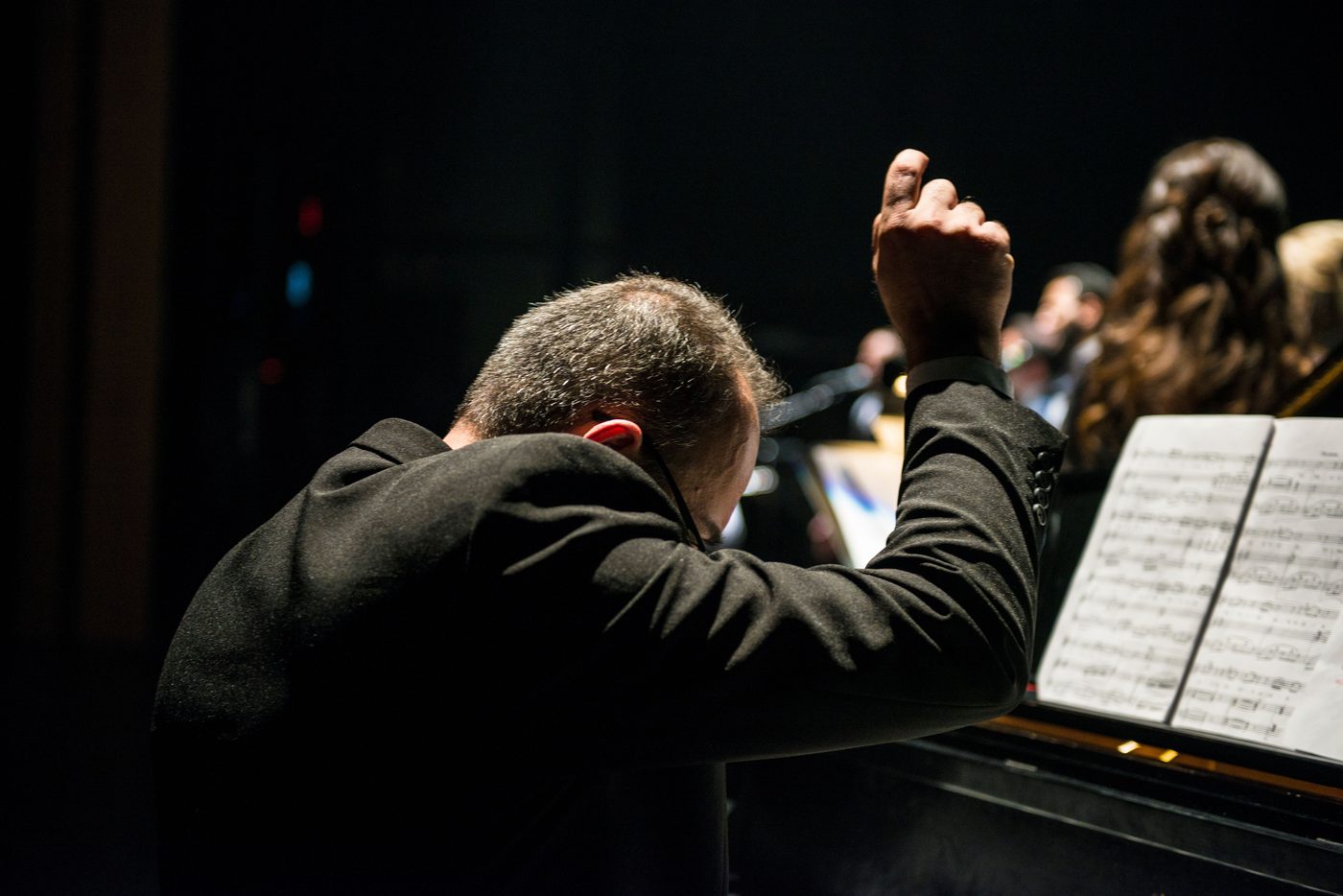
The Art of Possibility comes from an unusually complementary authorial pairing: Benjamin Zander, longtime conductor of the Boston Philharmonic Orchestra, brings decades of experience building genuine possibility and excellence out of amateur and youth musicians, while Rosamund Stone Zander, a family therapist, brings clinical psychological grounding to the same underlying questions about how people get trapped in limiting, measurement-driven ways of seeing themselves and their circumstances. The book is organized around twelve specific practices, each illustrated through genuinely memorable stories drawn from Benjamin's conducting career and Rosamund's therapy practice, all oriented around a central, genuinely reorienting premise: much of what people experience as fixed reality, limitations, scarcity, competition, is actually invented, a story being told rather than an objective fact, and that recognizing this invented quality creates genuine room to invent differently, toward possibility rather than limitation. It's a book that could easily tip into empty motivational cliché in less capable hands, but the Zanders' combination of genuine professional expertise and specific, textured storytelling keeps its optimism grounded rather than saccharine.
It's All Invented
The book's foundational premise, that much of what people experience as objective limitation or fixed circumstance is actually an invented framing rather than unchangeable fact, gives the subsequent twelve practices real philosophical grounding, and the Zanders illustrate this abstract claim with genuinely concrete, specific examples rather than leaving it as pure assertion.
Giving an A
One of the book's most distinctive and memorable practices describes Benjamin Zander's actual classroom practice of giving every music student an A at the start of the semester, provided they write a letter explaining, from a future perspective, what they did to earn it, a technique designed to shift students from anxious grade-chasing toward genuine possibility-oriented growth, and this concrete pedagogical story gives an otherwise abstract concept real, tested specificity.
Rule Number 6
The book's memorable, deliberately simple practice, rule number six, don't take yourself so seriously, presented through a genuinely funny illustrative anecdote, offers real, immediately applicable perspective for readers whose chronic self-seriousness gets in the way of both effectiveness and genuine enjoyment in their work and relationships.
The Measurement World Versus the Universe of Possibility
The Zanders' distinction between what they call the measurement world, where success and worth are constantly ranked and compared, and the universe of possibility, where contribution and meaning aren't zero-sum, offers a genuinely useful reframe for readers exhausted by chronic comparison and competition, whether in creative work, career, or relationships.
Leading From Any Chair
Benjamin Zander's orchestral concept of leading from any chair, drawing on his experience empowering every orchestra member, not just principal players, to contribute genuine musical leadership and interpretation, offers a genuinely applicable organizational and relational framework beyond its musical origin, useful for any context where hierarchy tends to suppress broader contribution.
Being the Board
The book's practice of being the board, taking full responsibility for one's own experience and circumstances rather than assigning blame externally, without collapsing into self-blame, offers a nuanced middle path that distinguishes genuine accountability from either victimhood or harsh self-criticism.
Stories From Two Genuinely Distinct Professional Worlds
The book's structural strength comes from its dual authorship, drawing simultaneously on Benjamin's decades conducting professional and youth orchestras and Rosamund's clinical family therapy practice, giving each of the twelve practices illustration from two genuinely different, complementary professional contexts rather than a single narrow lens.
A Book That Risks, but Mostly Avoids, Empty Positivity
In fairness to more skeptical readers, the book's consistently optimistic, possibility-oriented tone occasionally risks tipping into the kind of empty motivational positivity that dismisses genuine constraint or difficulty, though the Zanders' specific, textured storytelling and genuine professional expertise generally keep the material grounded rather than saccharine.
Who Should Read This Book
The Art of Possibility is well-suited to readers in creative, educational, or leadership roles looking for a genuinely fresh reframe on scarcity and competition-driven thinking, as well as anyone drawn to memorable, story-driven nonfiction with real underlying philosophical substance. It's a particularly strong pick for teachers, coaches, and managers.
The Premium Hardcover Edition
This hardcover edition is well-produced and suited to a book many readers, particularly educators and managers, keep as an ongoing source of specific stories and practices to reference, with durable binding appropriate for a title frequently reread and shared with colleagues.
Pros and Cons
Pros:
- Unusually complementary dual authorship brings both conducting and clinical therapy expertise to the same questions
- The It's All Invented premise offers genuinely reorienting philosophical grounding, not just motivational assertion
- Giving an A and Rule Number 6 provide memorable, specific, immediately applicable practices
- Measurement world versus universe of possibility distinction usefully reframes chronic comparison and competition
- Specific, textured storytelling from two distinct professional worlds keeps optimism grounded rather than saccharine
Cons:
- Consistently optimistic tone occasionally risks minimizing genuine, real-world constraint or difficulty
- Some of the twelve practices land more memorably than others across the book's full structure
- Musical and therapeutic origin stories require some translation for readers in unrelated fields
Frequently Asked Questions
Do I need a background in music or therapy to appreciate this book?
No, both authors translate their specific professional experiences into broadly applicable practices and stories accessible to readers regardless of background in either field.
Is this book purely motivational, or does it have real substance?
It aims for and mostly achieves real substance beyond typical motivational writing, grounding its twelve practices in specific, tested professional experience from both conducting and clinical therapy.
Is this a good book for teachers or educators specifically?
Yes, particularly the Giving an A practice, which describes an actual classroom technique, making it especially relevant and directly applicable for educators.
How is this book structured?
It's organized around twelve distinct practices, each illustrated with specific stories, making it accessible to read as a complete book or to reference individual practices as needed.
Final Verdict
The Art of Possibility delivers genuinely fresh, well-grounded reframing of scarcity and measurement-driven thinking, built on the unusually complementary combination of Benjamin Zander's conducting expertise and Rosamund Stone Zander's clinical therapy background, illustrated through memorable, specific practices like Giving an A and Rule Number 6. Its consistent optimism occasionally risks minimizing real constraint, but its specific, textured storytelling mostly keeps it grounded. This premium hardcover is a genuinely useful gift for teachers, leaders, and anyone exhausted by chronic comparison and competition.
Rating: 8.8/10