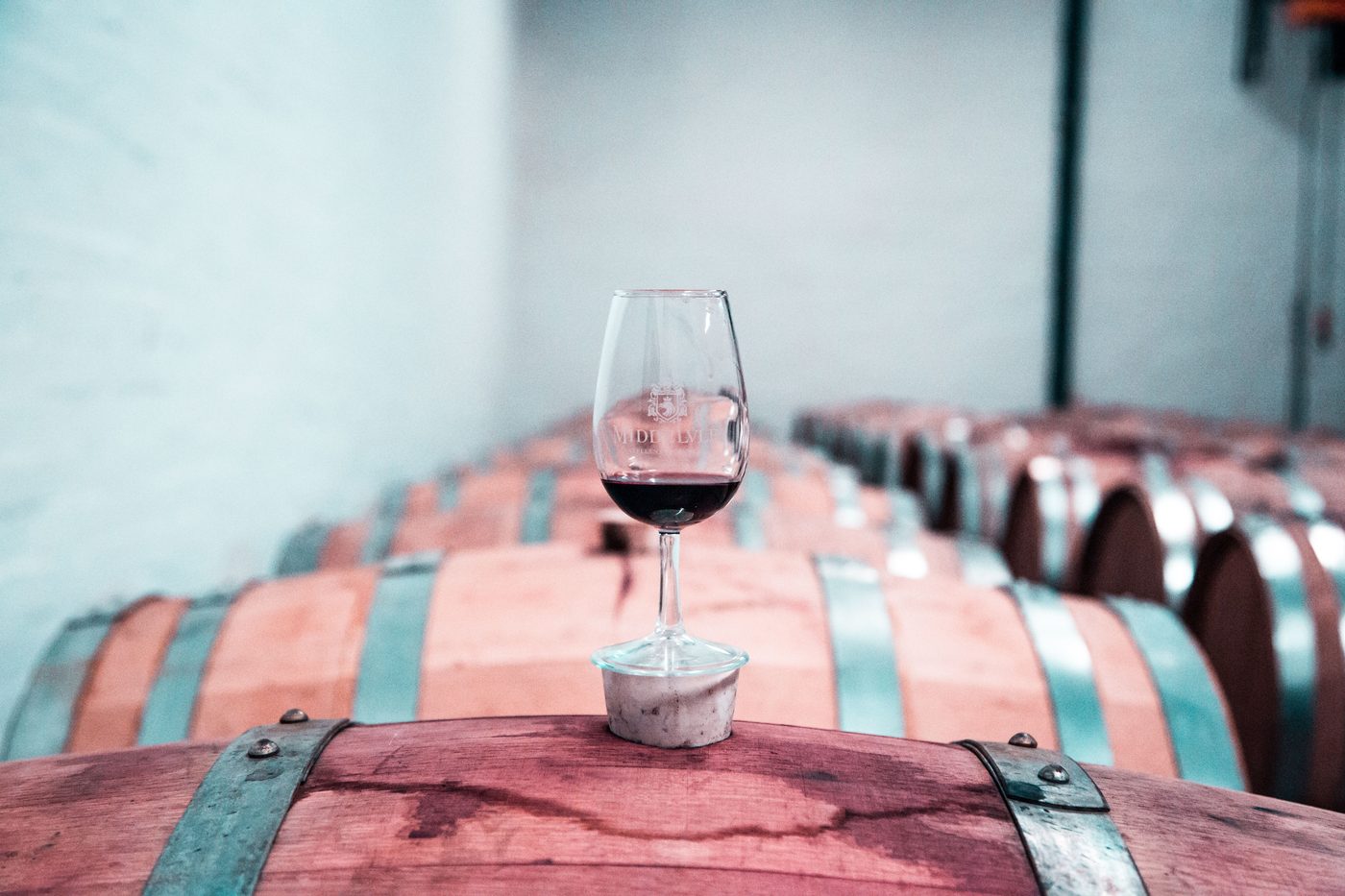
Bianca Bosker was a successful technology journalist with no particular background in wine when she became fascinated by a specific question: were the sommeliers who could identify a wine's grape, region, and vintage from a single blind sip actually perceiving something real, or performing an elaborate, self-important charade? Rather than simply interviewing experts from a comfortable distance, Bosker quit her job and immersed herself directly in the competitive, obsessive world of professional sommeliers, training for over a year toward the notoriously grueling Certified Sommelier exam. Cork Dork documents that immersion with genuine curiosity and self-deprecating humor, and its central finding - that expert tasting ability is a real, trainable perceptual skill, not merely pretension - is delivered with enough specific, hard-won detail to be genuinely convincing.
An Outsider's Skeptical Starting Point
Bosker begins the book candidly skeptical of elite wine culture, viewing much of sommelier expertise as potentially performative or exaggerated, a framing that gives her eventual, hard-won conversion toward genuine respect for the discipline more credibility than if she'd started as an already-devoted wine enthusiast. This skeptical entry point makes the book accessible to readers who share similar doubts about whether sophisticated tasting vocabulary reflects real perceptual difference or elaborate social performance.
The Grueling Reality of Sommelier Training
The book documents in specific, often exhausting detail the actual training regimen required to prepare for elite sommelier certification, including blind tasting drills, extensive memorization of wine regions and producers, and the significant financial and time investment required. Bosker doesn't romanticize this process, presenting the genuine tedium and difficulty alongside the moments of real perceptual breakthrough, giving readers an honest sense of just how much deliberate practice underlies apparent expert intuition.
The Neuroscience of Taste and Smell
Bosker incorporates substantial neuroscience research on taste and olfactory perception, explaining how the human sensory system processes flavor and aroma, and how expert tasters develop genuinely enhanced perceptual discrimination through extensive deliberate practice rather than possessing some innate, unteachable gift. This scientific grounding directly addresses her opening skepticism, providing an evidence-based explanation for how expert tasting ability develops and functions.
Immersion in Elite Restaurant Wine Culture
Beyond formal training, Bosker embeds herself within high-end restaurant wine service, working actual shifts and observing the intense, high-pressure world of elite sommelier competition and restaurant wine programs directly. These immersive sections capture the genuine competitive intensity and occasional absurdity of elite wine culture with a journalist's eye for specific, telling detail, avoiding both uncritical reverence and dismissive mockery.
The Blind Tasting Method Demystified
A significant portion of the book walks through the actual systematic method professional sommeliers use for blind tasting analysis, breaking down the specific, structured process of evaluating a wine's characteristics to deduce grape variety, region, and vintage. This demystification transforms what can appear to outsiders as an almost magical skill into a comprehensible, learnable systematic process, directly supporting the book's broader argument about trainable perceptual expertise.
The Physical and Psychological Toll of Elite Competition
Bosker candidly documents the significant physical and psychological toll of training intensively for elite sommelier certification, including the exam's notoriously low pass rates and the genuine anxiety and self-doubt experienced by candidates, herself included, throughout the demanding preparation process. This honesty about the difficulty and uncertainty of the pursuit adds real narrative tension and grounds the book's more theoretical and scientific content in genuine personal stakes.
Wine Fraud and the Industry's Darker Corners
The book examines some of the wine industry's less flattering realities, including counterfeiting, fraud, and the sometimes questionable practices within high-end wine markets, adding a dimension of investigative journalism to the book's more personal, immersive narrative. This willingness to examine the industry's genuine problems, alongside its more impressive perceptual expertise, keeps the book from reading as uncritical enthusiasm.
A Growing, Hard-Won Respect for Genuine Expertise
As Bosker's own tasting ability develops through the book's chronology, her initial skepticism gradually gives way to genuine, hard-won respect for the real perceptual skill and dedication involved in expert-level wine tasting, a transformation the book earns through specific documented progress rather than simply asserting. This character arc, from skeptic to genuine appreciator without becoming an uncritical convert, gives the book a satisfying overall narrative shape.
Accessible Science Writing for a General Audience
Despite covering genuinely technical neuroscience and sensory science content, Bosker maintains an accessible, often funny narrative voice throughout, making the book's more scientific sections engaging for readers without any specialized background in either wine or sensory neuroscience. This accessibility is a significant part of what has made the book appealing well beyond a narrow wine-enthusiast audience.
Why the Book Resonates Beyond Wine Enthusiasts
Ultimately, Cork Dork functions as more than a wine book; it's a broader exploration of what genuine expertise actually requires, how perceptual skill can be systematically developed through deliberate practice, and what's lost when specialized knowledge gets dismissed as mere pretension by outsiders who haven't examined it closely. This broader applicability, connecting wine expertise to larger questions about skill acquisition and perception, gives the book relevance well beyond readers with a specific interest in wine.
Pros and Cons
Pros:
- Skeptical starting point makes the eventual respect for expertise more credible and earned
- Combines genuine neuroscience research with immersive, specific narrative detail
- Demystifies blind tasting into a comprehensible, learnable systematic process
- Honest about the genuine difficulty and toll of elite sommelier training
- Broader relevance to questions of expertise and deliberate practice beyond wine specifically
Cons:
- Some wine-specific technical detail may be dense for readers with zero prior interest
- The elite restaurant and competition world depicted is not representative of casual wine drinking
- A few sections on industry fraud feel somewhat tangential to the main narrative
Frequently Asked Questions
Do I need to know anything about wine to enjoy this book?
No, the book is written accessibly for general readers and actually opens from a position of genuine skepticism about elite wine culture, making it approachable for wine novices.
Is this book mainly about wine or about expertise more broadly?
Both. While wine and sommelier culture are the specific subject, the book's broader themes about deliberate practice and perceptual skill development apply well beyond wine specifically.
Did the author actually pass the sommelier certification exam?
The book documents her intensive training and the exam process in detail, with the specific outcome forming part of the narrative's genuine tension and payoff.
Is this a serious science book or a lighter memoir?
It blends both, combining legitimate neuroscience research on taste and smell with an engaging, often humorous immersive memoir narrative.
Final Verdict
Cork Dork succeeds by taking a genuinely skeptical question seriously and following it all the way through rigorous personal immersion rather than settling for a comfortable outsider's perspective. Bianca Bosker's transformation from doubter to genuine, informed appreciator of sommelier expertise is earned through specific, well-documented effort and grounded in real neuroscience, giving the book credibility beyond typical wine writing. For readers curious about what expertise actually requires, in wine or any other demanding discipline, it offers a genuinely engaging and evidence-based answer.
Rating: 4.6/10