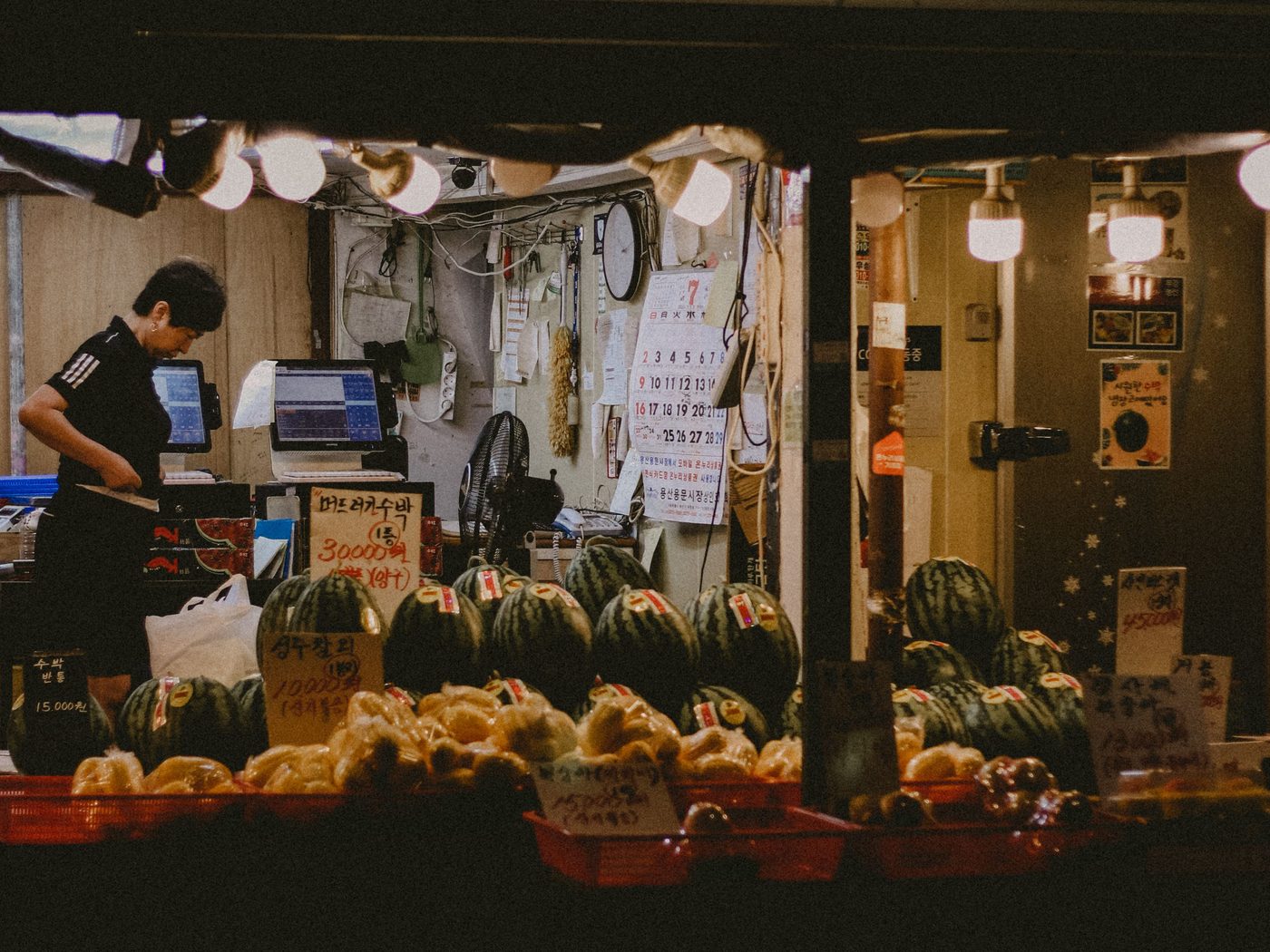
Michelle Zauner, known professionally as the musician Japanese Breakfast, spent her twenties navigating a complicated relationship with her Korean mother, then watched that relationship transform entirely as her mother's cancer diagnosis brought them closer before taking her away. Zauner builds her memoir around Korean food as the genuine, physical language through which she processes grief, identity, and the specific inheritance of a culture she fears losing along with her mother.
Food as Genuine Emotional and Cultural Language
Zauner uses specific Korean dishes and her mother's precise cooking techniques as genuine emotional touchstones throughout the memoir, giving food real narrative weight beyond simple nostalgic detail or cultural flavor.
A Complicated Mother-Daughter Relationship Rendered Honestly
The memoir doesn't romanticize Zauner's relationship with her mother before the diagnosis, depicting genuine tension and misunderstanding alongside real love, giving the eventual closeness earned emotional weight.
Illness Depicted With Unflinching Physical Specificity
Zauner renders her mother's cancer treatment and physical decline with genuine, unflinching specificity, refusing to soften the real bodily reality of terminal illness for narrative comfort.
Mixed Identity Given Genuine, Specific Complexity
Zauner's experience as mixed-race Korean American is explored with real specificity throughout, examining how her relationship to her Korean heritage was mediated significantly through her mother and threatened by her mother's death.
H Mart as a Genuine Site of Both Grief and Connection
The Korean grocery store chain that gives the memoir its title becomes a genuine recurring site where Zauner processes grief through the specific, sensory experience of shopping for ingredients connected to her mother.
A Music Career Given Real Narrative Space Alongside Grief
Zauner's parallel development as a musician receives genuine narrative attention, showing how her mother's illness and death intersected with and shaped her creative life rather than existing in separate narrative tracks.
Learning to Cook as a Genuine Act of Cultural Preservation
Zauner's determined effort to learn her mother's recipes after her death is depicted as a genuine act of cultural preservation and connection, giving cooking real stakes beyond simple hobby or grief coping mechanism.
Family Tension Given Real, Unresolved Complexity
The memoir doesn't resolve all family tension neatly, including genuine strain with her father, maintaining real honesty about how grief doesn't automatically heal every relationship.
Specific Sensory Detail Grounding Universal Grief
Zauner's precise sensory attention to smell, taste, and texture throughout gives her particular grief genuine universal resonance, grounding a specific cultural experience in details many readers recognize regardless of their own background.
A Conclusion That Honors Ongoing, Unresolved Grief
The memoir's ending doesn't suggest grief simply resolves or completes, instead honoring its genuine ongoing presence in Zauner's life through her continued connection to food and cultural memory.
Pros and Cons
Pros:
- Its use of food as emotional and cultural language gives the memoir real distinctive depth
- Its honest depiction of the complicated pre-illness relationship earns genuine emotional weight
- Its unflinching treatment of illness avoids softening the real physical reality of cancer
- Its exploration of mixed identity carries genuine, specific cultural complexity
- Its ending honors ongoing grief rather than suggesting false, complete resolution
Cons:
- Its unflinching illness content is genuinely difficult emotional material
- Its detailed food descriptions, while purposeful, add considerable specific cultural detail some readers may want more context for
- Its honest, unresolved family tension offers limited neat closure
Frequently Asked Questions
Is this memoir primarily about food or grief?
It genuinely integrates both, using food as the specific language through which Zauner processes her mother's illness, death, and her own complicated identity.
Is the author the musician known as Japanese Breakfast?
Yes, Michelle Zauner is a professional musician, and the memoir includes genuine narrative attention to her parallel music career alongside the central story of her mother's illness.
Is this book emotionally difficult to read?
Yes, it addresses terminal illness and grief with real unflinching honesty, making for emotionally demanding but rewarding reading.
Do I need to know Korean cuisine to appreciate this memoir?
No, Zauner renders the food and its significance accessibly for readers unfamiliar with Korean cuisine, using specific detail to create genuine universal resonance.
Final Verdict
Crying in H Mart earns its bestseller status through Michelle Zauner's genuine skill at using food as authentic emotional and cultural language, giving her memoir distinctive depth beyond typical grief narrative. Its honest depiction of the complicated relationship with her mother before illness gives the eventual closeness real earned emotional weight, while its unflinching treatment of cancer's physical reality refuses comfortable softening. The memoir's exploration of mixed Korean American identity, threatened by the loss of the parent who most connected her to that heritage, adds genuine specific complexity to its universal themes about grief and inheritance. For readers seeking a genuinely powerful, sensorially specific memoir about loss, food, and cultural identity, this book remains essential reading, and it stands as one of the most acclaimed memoirs of its era.
Rating: 4.7/10