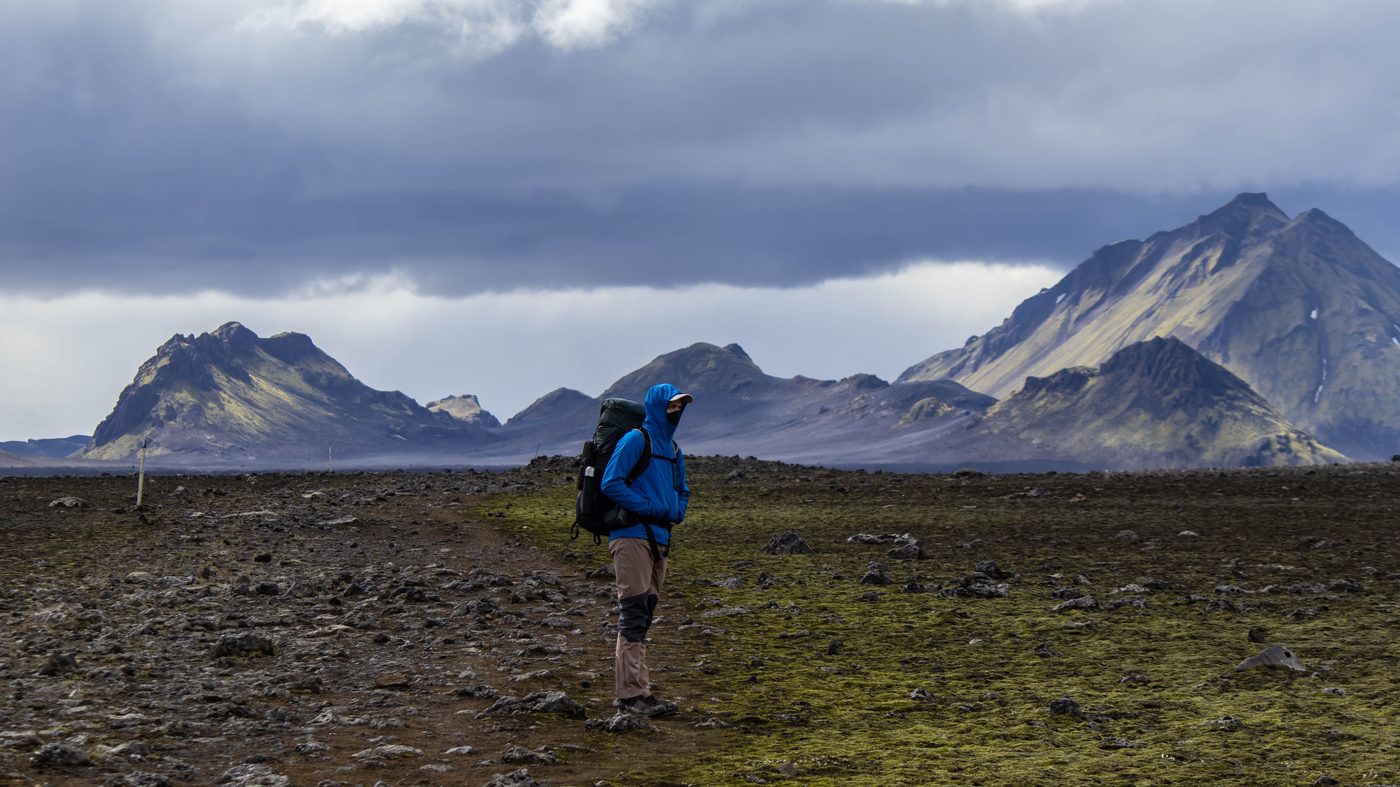
Deep Survival opens with a genuinely unsettling premise, backed by real search-and-rescue and military survival data: physical fitness, technical skill, and even prior experience predict survival in life-threatening situations far less reliably than most people assume, while certain specific psychological patterns predict it remarkably well. Laurence Gonzales, drawing on his own family's aviation background along with extensive interviews with survival experts, neuroscientists, and survivors of plane crashes, shipwrecks, and wilderness disasters, sets out to answer a genuinely difficult question: why do some people survive circumstances that should kill them, while others with more experience, better equipment, and superior physical condition don't make it out. The answer he builds across the book is neither simple willpower nor luck; it's a specific, learnable set of cognitive and emotional patterns, and Gonzales's case is compelling enough that the book has become something like required reading in wilderness guide and search-and-rescue training circles.
Why Experts Sometimes Die and Novices Sometimes Live
One of the book's most counterintuitive findings, backed by real accident investigation data, is that experienced outdoorspeople and pilots sometimes die in situations that less experienced people survive, largely because expertise can breed overconfidence and a reluctance to abandon a plan once committed, a pattern Gonzales documents across multiple real aviation and wilderness disaster case studies. This finding alone reframes the entire conversation about survival away from pure skill and toward psychological flexibility.
The Neuroscience of Panic and the Amygdala Hijack
Gonzales grounds much of the book in real neuroscience, explaining how acute stress can trigger what's sometimes called an amygdala hijack, where the brain's threat-response system overrides higher-order reasoning entirely, producing the freezing, tunnel vision, and poor decision-making that characterizes so many survival disasters. This neurological grounding gives the book's later psychological framework real scientific credibility rather than pure anecdotal speculation.
Denial as the First, Most Dangerous Stage
Drawing on real case studies of wilderness and aviation disasters, Gonzales identifies denial, the refusal to accept that a situation has genuinely become life-threatening until it's too late to respond effectively, as one of the most consistent and dangerous patterns among people who don't survive, often costing critical minutes or hours that a faster acceptance of reality would have preserved. This chapter is one of the book's most immediately actionable, since simply naming the denial pattern helps readers recognize it in themselves under stress.
The Survivor Personality: Calm, Adaptable, and Purposeful
Gonzales synthesizes interviews and case studies into a composite profile of what he calls the survivor personality, characterized by rapid acceptance of a dangerous new reality, a calm rather than panicked emotional register, and crucially, a clear sense of purpose, often tied to getting back to a specific person or commitment, that sustains action through extended hardship. This profile gives readers something concrete to actively cultivate rather than simply hoping to possess if the moment ever arrives.
Micro-Decisions and the Cascade Toward Disaster
One of the book's sharpest analytical contributions is its detailed breakdown of how survival disasters typically result not from one catastrophic error but from a cascading series of small, individually reasonable-seeming decisions, continuing a hike a bit further despite worsening weather, skipping a safety check to save time, each of which slightly narrows the margin for error until a critical threshold is crossed. Understanding this cascade pattern is genuinely useful for recognizing risk accumulation in real time, well before any single moment feels obviously dangerous.
Real Case Studies: Aviation, Mountaineering, and Wilderness Disasters
Gonzales draws his evidence from a wide range of real, well-documented disasters, plane crashes, mountaineering accidents, wilderness survival situations, giving the book's psychological framework concrete grounding in verifiable events rather than composite or hypothetical scenarios. The specificity and variety of these case studies is part of what makes the book's cross-situational psychological patterns feel genuinely well-supported rather than cherry-picked.
Applications Beyond Literal Wilderness Survival
Though grounded in physical survival scenarios, Gonzales's framework around denial, panic response, and purposeful calm under pressure has clear applications to high-stakes professional decision-making, medical emergencies, and any circumstance requiring clear thinking under acute stress, which is part of why the book has found readership well beyond outdoor enthusiasts specifically.
A Book That Occasionally Meanders Into Personal and Family History
In fairness to readers wanting a tighter, more purely instructional book, Gonzales weaves in substantial personal and family history, particularly around his father's wartime experiences and aviation background, which some readers find enriches the book's emotional depth and others find occasionally slows the pacing of its core survival psychology argument.
Who Should Read This Book
Deep Survival is genuinely valuable for outdoor enthusiasts, pilots, search-and-rescue professionals, and anyone whose work or hobbies carry real physical risk, as well as general readers interested in the psychology of decision-making under extreme stress. Its core insights about denial, cascading risk, and purposeful calm also translate usefully to high-stakes professional and personal crisis situations well beyond the wilderness.
The Premium Hardcover Edition
This hardcover edition is a durable, well-produced choice for a book frequently kept as a reference by outdoor professionals and enthusiasts, with binding quality suited to a title that often gets revisited before serious wilderness trips or expeditions rather than read once and shelved.
Pros and Cons
Pros:
- Backed by real accident investigation data and neuroscience rather than pure anecdote or speculation
- The denial-as-first-danger-sign chapter offers genuinely actionable, real-time self-awareness
- Survivor personality profile gives readers something concrete to actively cultivate
- Micro-decision cascade framework usefully explains how disasters build from small, reasonable choices
- Insights apply well beyond literal wilderness survival to high-stakes decision-making generally
Cons:
- Substantial personal and family history sections occasionally slow the core psychological argument's pacing
- Case studies skew heavily toward aviation and wilderness contexts, requiring some translation for other applications
- Denser and more research-driven than typical pop-psychology survival writing
Frequently Asked Questions
Do I need outdoor or wilderness experience to get value from this book?
No, while many case studies involve wilderness and aviation disasters, the core psychological insights about panic, denial, and decision-making apply broadly to any high-stakes stressful situation.
Is this book more about physical survival skills or psychology?
It's overwhelmingly about psychology and neuroscience rather than physical survival techniques; readers wanting technical wilderness skills should pair it with a dedicated survival skills manual.
Is the neuroscience in this book still considered accurate?
The core concepts around acute stress response and the amygdala's role remain well-supported, though as with any popular science book, some specific details have been refined by more recent research.
Is this a good read for someone in a high-stress profession outside the outdoors?
Yes, many readers in medicine, emergency response, and other high-stakes professions find the book's framework around panic, denial, and purposeful calm directly applicable to their own work.
Final Verdict
Deep Survival delivers a genuinely compelling, research-grounded answer to why some people survive impossible situations while others with every advantage don't, built on real neuroscience, accident investigation data, and a wide range of documented wilderness and aviation disasters. The personal history digressions occasionally slow its pacing, but the core insights around denial, cascading risk, and purposeful calm under pressure are genuinely valuable well beyond literal wilderness survival. This premium hardcover is a smart, substantive gift for outdoor enthusiasts and anyone drawn to the psychology of high-stakes decision-making.
Rating: 9.0/10