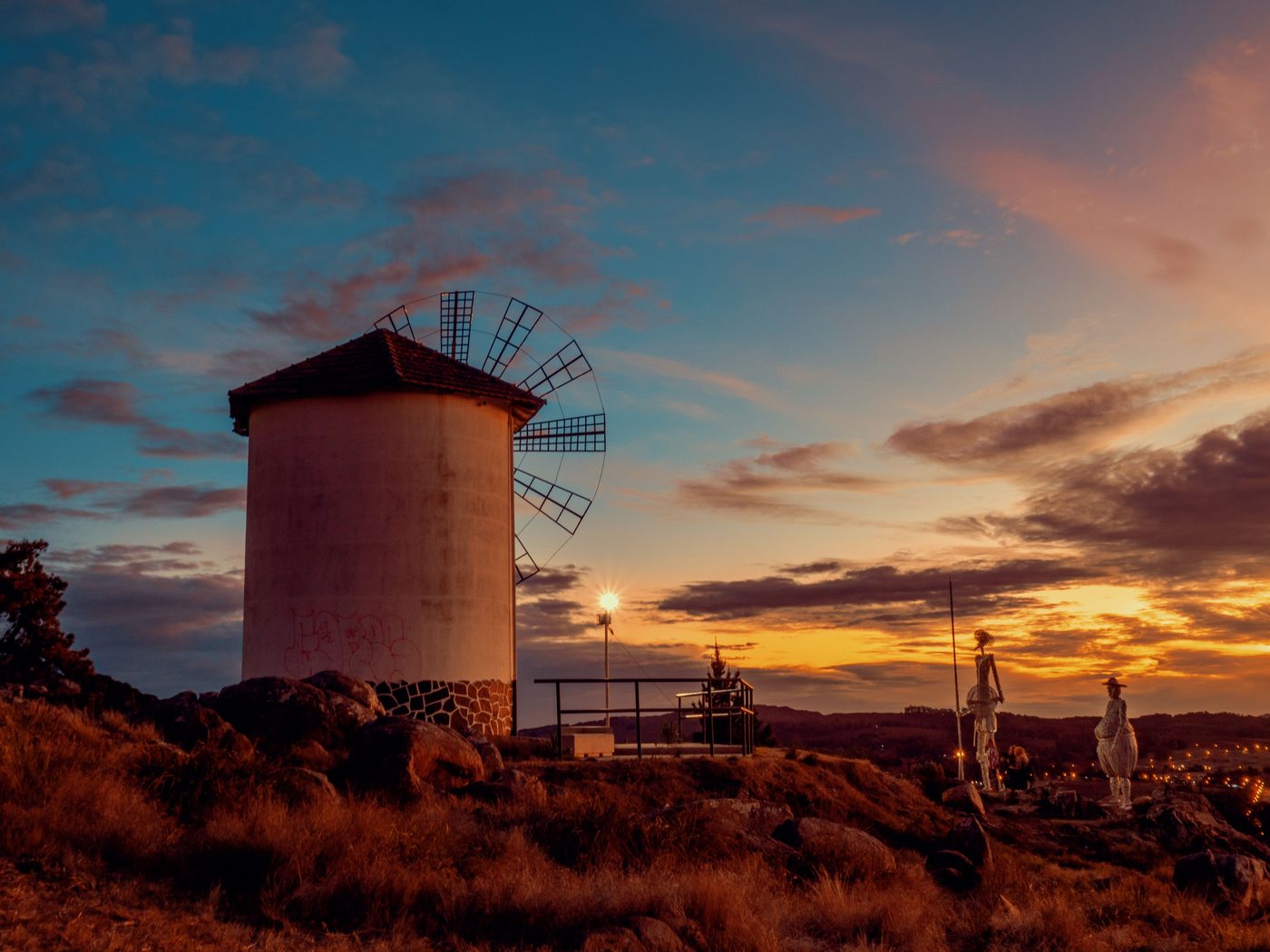
Miguel de Cervantes conceived Don Quixote primarily as a satire, an extended joke at the expense of an aging, minor nobleman named Alonso Quixano who has read so many chivalric romances that he loses his grip on reality entirely, renames himself Don Quixote, and sets out with his practical, long-suffering squire Sancho Panza to perform knightly deeds that exist only in his own delusional imagination. What makes the novel a genuine landmark rather than simple parody is how thoroughly Cervantes complicates his own satirical premise across its considerable length, allowing Don Quixote's earnest, uncompromising idealism to become genuinely moving even as it remains genuinely absurd, and building in Sancho Panza's own gradual transformation a portrait of loyalty and friendship that outlasts the specific joke that set the whole story in motion.
Don Quixote's Delusion as Satire of Chivalric Romance
Cervantes originally conceived the novel as direct satire of the chivalric romance genre's popularity, and Don Quixote's specific delusions, mistaking windmills for giants, inns for castles, consistently parody the genre's conventions with pointed, deliberate absurdity throughout the novel's earlier sections.
Sancho Panza as Practical Counterweight and Gradual Convert
Sancho Panza's grounded, practical skepticism initially provides direct comic contrast to Don Quixote's delusions, but Cervantes gradually complicates this dynamic as Sancho becomes genuinely, if incompletely, drawn into his master's idealistic worldview across their shared adventures.
The Novel's Unusual Metafictional Self-Awareness
Cervantes incorporates remarkable metafictional elements, including characters who have read the novel's own earlier published first part, and this self-aware formal experimentation, unusual for its 1605 publication date, is frequently cited as a key reason the novel is considered a foundational work of the modern novel form.
Idealism as Both Genuinely Absurd and Genuinely Moving
As the novel progresses, Cervantes increasingly allows Don Quixote's uncompromising idealism and commitment to his chosen values to register as genuinely admirable even while remaining genuinely delusional, refusing to let the character's absurdity fully cancel out real emotional and moral resonance.
Episodic Structure as Vehicle for Wide Social Panorama
The novel's episodic structure, following Don Quixote and Sancho through a wide variety of encounters across the Spanish countryside, allows Cervantes to survey an unusually broad panorama of contemporary Spanish society, class, and custom, giving the novel considerable scope beyond its central comic premise.
The Second Part's Response to an Unauthorized Sequel
Cervantes wrote the novel's second part partly in direct response to an unauthorized, spurious sequel published by another author, and this second part incorporates pointed metafictional jabs at the fraudulent continuation, adding another unusual layer of self-referential complexity to the novel's structure.
Dulcinea as Illustration of Idealization Versus Reality
Don Quixote's devotion to Dulcinea, an idealized lady who exists mostly as his own invention rather than as any accurately perceived real person, provides the novel's clearest illustration of its broader interest in the gap between idealized perception and actual reality, a theme extending well beyond the character's chivalric delusions.
Humor That Deepens Rather Than Undermines Emotional Investment
Despite its fundamentally comic premise, the novel's humor increasingly coexists with genuine emotional investment in its central characters as it progresses, and this combination of comedy and earned sentiment is frequently cited as a key innovation distinguishing the novel from simpler satirical precedents.
A Poignant, Deliberately Ambiguous Conclusion
The novel's ending, in which Don Quixote renounces his chivalric delusions and dies as the more ordinary Alonso Quixano, provides a genuinely poignant and deliberately ambiguous conclusion, leaving readers uncertain whether this return to conventional sanity should be read as tragic loss or necessary resolution.
Why Don Quixote Remains the Foundational Modern Novel
Don Quixote endures as the foundational modern novel because Cervantes's willingness to let satire coexist with genuine emotional depth, formal self-awareness, and broad social panorama established a template for the novel form's full expressive range that subsequent fiction has continued building upon for over four centuries.
Pros and Cons
Pros:
- Complicates its own satirical premise to achieve genuine, earned emotional resonance
- Sancho Panza's gradual transformation provides a genuinely moving portrait of loyalty and friendship
- Remarkable metafictional self-awareness for its 1605 publication date
- Episodic structure offers a broad, richly detailed panorama of contemporary Spanish society
- Combines sustained comedy with genuine emotional investment rather than either alone
Cons:
- Considerable length across two parts requires sustained reading commitment
- Some episodic digressions and secondary tales interrupt the central narrative's momentum
- Certain period-specific satirical targets benefit from historical context to fully appreciate
Frequently Asked Questions
Do I need to read both parts?
The two parts were published years apart but are generally read together, with the second part directly building on and complicating the first.
Is this primarily a comedy or a tragedy?
It's genuinely both, combining sustained satirical comedy with real, earned emotional depth, particularly as the novel progresses.
Why is this considered the first modern novel?
Its combination of psychological depth, metafictional self-awareness, and broad social realism established formal techniques foundational to the novel genre's subsequent development.
Which translation is recommended for new readers?
Several well-regarded contemporary English translations exist; checking recent translator reputation and readability preferences is worthwhile before choosing an edition.
Final Verdict
Don Quixote earns its status as the foundational modern novel through Miguel de Cervantes's remarkable willingness to complicate his own satirical premise, allowing Don Quixote's absurd delusions to become genuinely moving without ever fully abandoning the comedy that set the story in motion. Sancho Panza's gradual transformation and the novel's unusual metafictional self-awareness give it lasting formal and emotional sophistication. Over four centuries after publication, its blend of comedy, idealism, and genuine feeling remains a template the novel form still draws upon.
Rating: 4.6/10