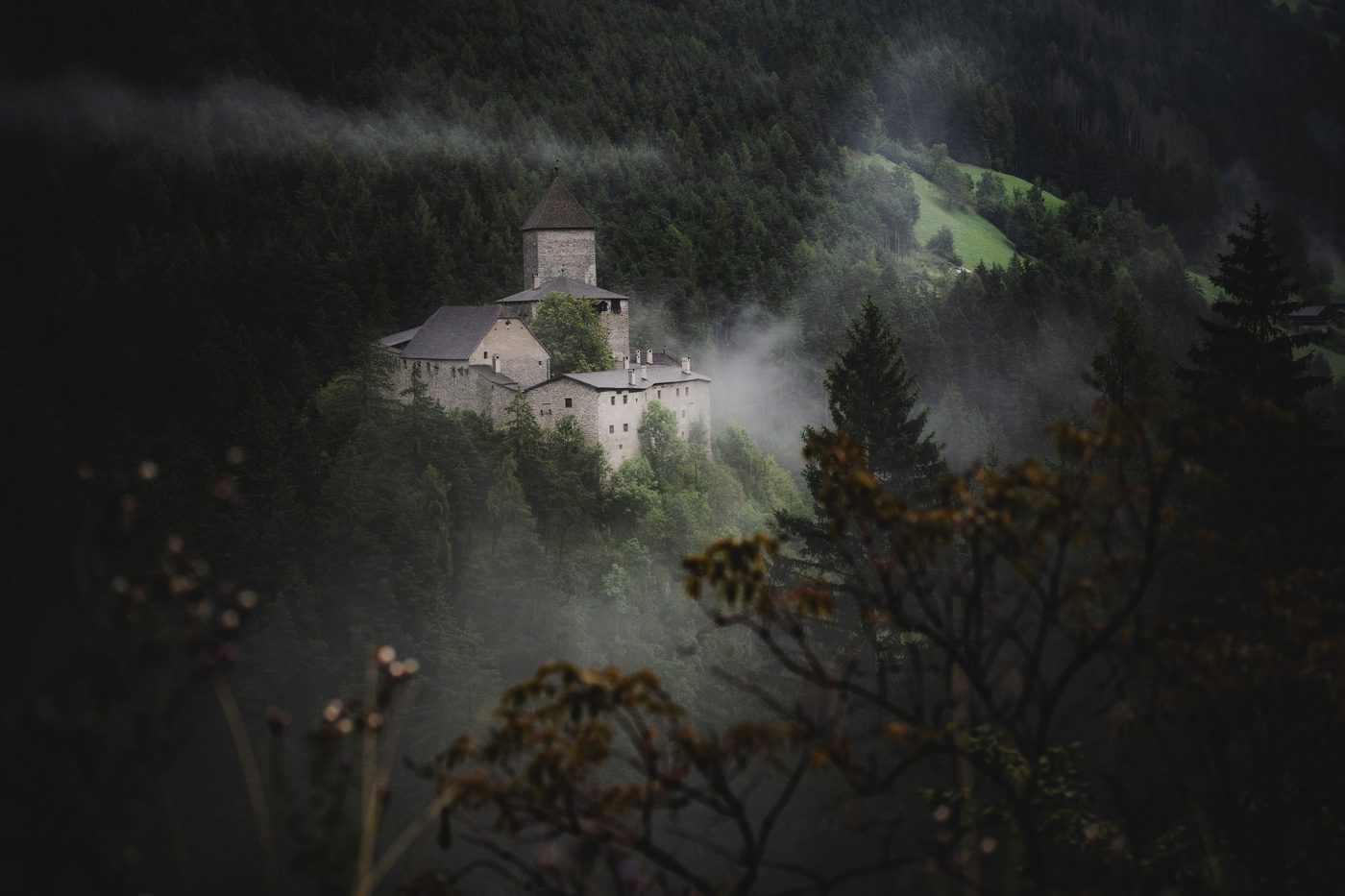
Dracula opens with young English solicitor Jonathan Harker traveling to a genuinely remote, unsettling Transylvanian castle to finalize a real estate transaction for the mysterious Count Dracula, an assignment that gradually reveals itself as a trap when Harker discovers his host is not merely eccentric but a genuinely ancient, supernatural predator holding him captive, and Bram Stoker builds the entire novel's distinctive narrative structure around an epistolary format, telling the story entirely through letters, diary entries, ship logs, and newspaper clippings assembled by the novel's various characters, a technique that gives the unfolding horror a genuinely unsettling documentary immediacy distinct from more conventional third-person narration. Stoker follows the story from Harker's escape back to England, where Dracula has already relocated to prey on London society, through the genuinely determined effort of a small group, including the resourceful Mina Harker, the brave Lucy Westenra whose transformation into a vampire herself provides some of the novel's most disturbing material, and the eccentric vampire-hunting expert Abraham Van Helsing, to understand and ultimately destroy the genuine supernatural threat Dracula represents, and the novel's specific rules and conventions, aversion to sunlight and garlic, the necessity of a stake through the heart, transformation into a bat, established what would become the enduring template for vampire fiction across more than a century of subsequent adaptation.
Jonathan Harker's Journey to Transylvania
The novel's opening, Harker's journey to Dracula's remote castle for a real estate transaction that gradually reveals itself as a supernatural trap, gives readers a genuinely unsettling, atmospheric entry point into the story.
The Distinctive Epistolary Narrative Structure
Stoker's genuinely distinctive choice to tell the entire novel through letters, diary entries, and newspaper clippings gives the unfolding horror unusual documentary immediacy compared to conventional third-person narration.
Dracula's Relocation to London Society
The novel's shift as Dracula relocates to prey on London society gives the story a genuinely unsettling contrast between supernatural ancient evil and the ordinary texture of contemporary Victorian urban life.
Mina Harker's Resourcefulness
The character of Mina Harker, whose genuine resourcefulness and intelligence make her instrumental to the vampire-hunting effort, offers one of Victorian gothic fiction's more capable, actively engaged female characters.
Lucy Westenra's Disturbing Transformation
Lucy Westenra's transformation into a vampire herself provides some of the novel's most genuinely disturbing material, illustrating the specific horror of losing someone to Dracula's supernatural corruption.
Abraham Van Helsing as Vampire-Hunting Expert
The eccentric but genuinely knowledgeable vampire-hunting expert Abraham Van Helsing gives the novel its specific mythological and folkloric expertise, guiding the other characters' understanding of how to actually combat the threat.
Establishing Vampire Fiction's Enduring Rules
The novel's specific established rules, including aversion to sunlight and garlic, vulnerability to a stake through the heart, and transformation into a bat, created the enduring template for vampire fiction across more than a century of subsequent adaptation.
A Foundational Text in Gothic Horror
The novel's genuine foundational status within gothic horror fiction gives it lasting literary and cultural significance well beyond its original 1897 publication, having shaped an entire subsequent genre.
Who Should Read This Book
Dracula is essential reading for anyone interested in gothic horror and vampire fiction's actual origins specifically, as well as readers who appreciate distinctive Victorian narrative techniques and genuinely atmospheric classic horror.
The Premium Hardcover Edition
This hardcover edition is well-produced and suited to a novel widely regarded as one of the foundational texts of gothic horror and vampire fiction, with binding quality appropriate for a title frequently studied and referenced in genre history.
Pros and Cons
Pros:
- Genuinely unsettling opening at Dracula's remote castle gives readers an atmospheric, tense entry point
- Distinctive epistolary structure gives the unfolding horror unusual documentary immediacy
- Mina Harker offers one of Victorian gothic fiction's more capable, actively engaged female characters
- Established the enduring rules and conventions that still define vampire fiction over a century later
- Foundational status within gothic horror gives it lasting literary and cultural significance
Cons:
- Epistolary structure, while distinctive, occasionally slows narrative pace compared to conventional storytelling
- Some Victorian-era social attitudes and prose conventions require context for contemporary readers
- Genuinely substantial length for a horror novel requires more sustained reading commitment than modern genre fiction
Frequently Asked Questions
Is this the original source of vampire fiction conventions?
Yes, this novel established the enduring rules and conventions, including sunlight aversion and stakes through the heart, that continue to define vampire fiction across more than a century of subsequent adaptation.
How is this novel structured?
It's told entirely through letters, diary entries, ship logs, and newspaper clippings assembled by various characters, giving it a distinctive documentary-style narrative technique.
Is this book scary by modern standards?
It remains genuinely atmospheric and unsettling, particularly in its portrayal of Dracula's castle and Lucy's transformation, though its pacing and prose style differ from contemporary horror fiction.
When was this novel originally published?
It was originally published in 1897, and its genuine foundational status within gothic horror fiction has given it lasting literary and cultural significance since.
Final Verdict
Dracula delivers Bram Stoker's genuinely foundational 1897 gothic horror classic, told through a distinctive epistolary structure of letters and diary entries that gives Count Dracula's supernatural threat unusual documentary immediacy. Its established rules and conventions continue to define vampire fiction more than a century later. This premium hardcover is essential, atmospheric reading for anyone wanting to understand the actual literary origins of vampire fiction's enduring mythology.
Rating: 8.8/10