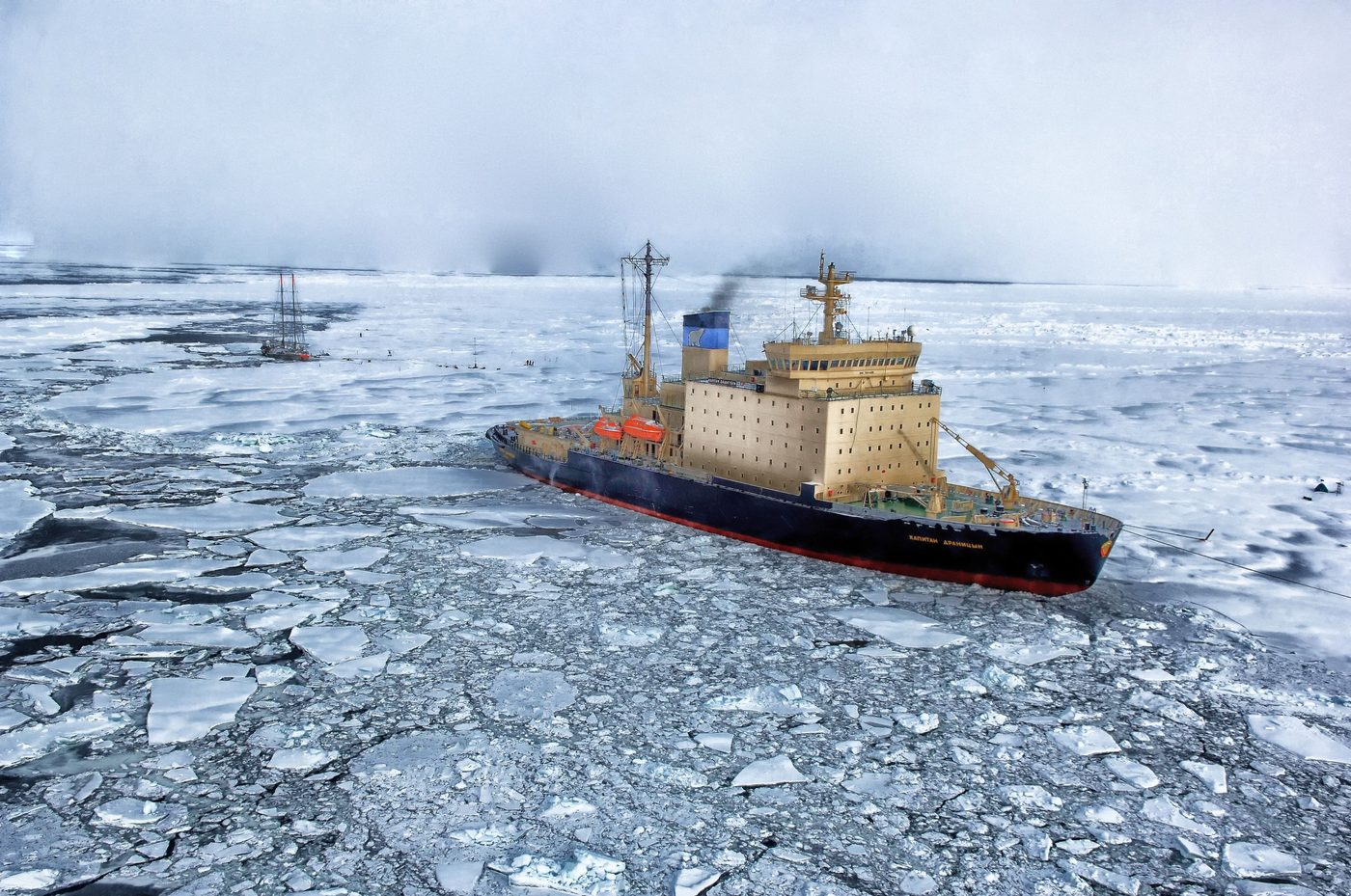
Endurance tells a survival story so extreme that its central achievement isn't reaching a destination but simply staying alive, and it remains, more than sixty years after publication, the definitive account of one of history's most remarkable leadership stories. Ernest Shackleton set out in 1914 to cross Antarctica on foot, an expedition that never actually happened, because his ship, fittingly named Endurance, became trapped and was eventually crushed by Antarctic pack ice before the crew ever set foot on the continent. What follows is nearly two years of survival on drifting ice floes, a desperate boat journey across some of the most violent ocean on Earth, and a final overland crossing of an uncharted, glacier-covered island, all leading to a rescue mission that Shackleton refused to abandon until every single one of his twenty-seven men was brought home alive. Alfred Lansing's account, built on the expedition's own diaries and later interviews with surviving crew members, remains a genuinely gripping, almost unbearably tense read precisely because you know from the outset that everyone survives, and the book's power comes entirely from understanding exactly how narrow and improbable that survival actually was.
The Ship Crushed Before the Expedition Even Began
Lansing's account of the Endurance becoming trapped in pack ice and slowly, over months, being crushed by ice pressure until it finally sank, establishes the book's central irony immediately: an expedition named for endurance became, before it ever reached its intended starting point, a pure test of survival rather than exploration, and this reframing gives the entire book its genuine, sustained tension.
Shackleton's Leadership Under Impossible Conditions
The book's central subject is Shackleton's specific leadership style under sustained, escalating crisis, his careful management of crew morale, his deliberate rationing of both resources and hope, and his consistent prioritization of his men's survival over the expedition's original goals, and Lansing documents this leadership with enough specific behavioral detail that the book has become genuinely studied in leadership and crisis management contexts well beyond pure adventure writing.
Life on the Drifting Ice Floes
Lansing's account of the crew's months living on unstable, drifting pack ice, hunting seals and penguins for food while watching their ice floe slowly disintegrate beneath them, is rendered with genuinely visceral physical detail, grounded in the crew's own diaries, that makes the sheer physical endurance required almost difficult to fully absorb while reading.
The Boat Journey to Elephant Island
The book's account of the crew's desperate open-boat journey through some of the most violent seas on Earth after their ice floe finally became unviable is one of narrative nonfiction's most harrowing sustained sequences, and Lansing's detailed, hour-by-hour reconstruction of the physical suffering and near-constant mortal danger gives this section real, sustained tension.
The Voyage of the James Caird
Perhaps the book's most legendary sequence describes Shackleton and five companions' decision to sail an open, twenty-two-foot lifeboat eight hundred miles across the Southern Ocean to seek rescue, widely regarded as one of the greatest small-boat voyages in maritime history, navigated with minimal instruments through conditions that would challenge a modern, fully-equipped vessel.
Crossing South Georgia's Uncharted Interior
After the James Caird's journey, Shackleton and two companions still had to cross South Georgia Island's uncharted, glacier-covered mountainous interior on foot, with inadequate equipment and no maps, to reach a whaling station, and Lansing's account of this final overland crossing adds yet another layer of almost incomprehensible physical endurance to an already extraordinary story.
Not a Single Man Lost
The book's ultimate, genuinely remarkable fact, that Shackleton returned for and rescued every single one of the twenty-seven men left behind on Elephant Island, none lost to the nearly two-year ordeal, gives the book an ending that feels almost implausibly complete given everything that preceded it, and Lansing lets this fact speak largely for itself rather than over-editorializing its significance.
Built From the Expedition's Own Diaries
Lansing's research, drawing directly on crew members' contemporaneous diaries and later personal interviews with survivors, gives the book genuine primary-source authenticity, and this grounding in the crew's actual real-time documented experience, rather than retrospective reconstruction alone, is part of what has made the book endure as the definitive account for over six decades.
Who Should Read This Book
Endurance is essential reading for anyone interested in exploration history, extreme survival narrative, or leadership under crisis specifically, and it has become a genuinely common recommendation in business and leadership contexts for its detailed portrait of decision-making under sustained, escalating pressure. It's also simply one of the most purely gripping true survival stories available in print.
The Premium Hardcover Edition
This hardcover edition is a substantial, well-produced object fitting for a book widely regarded as one of the greatest survival narratives ever written, with binding quality suited to a title frequently reread and referenced across both adventure literature and leadership development contexts.
Pros and Cons
Pros:
- One of the most genuinely gripping true survival narratives available, despite a known outcome
- Built directly on crew members' contemporaneous diaries, giving it real primary-source authenticity
- Shackleton's leadership under sustained crisis has become genuinely studied well beyond adventure writing
- The James Caird lifeboat voyage remains one of maritime history's most extraordinary documented feats
- The remarkable fact that all twenty-seven men survived gives the book real, earned emotional payoff
Cons:
- Sustained, unrelenting crisis narrative may feel emotionally heavy for readers wanting lighter material
- Dense with specific navigational and physical survival detail that rewards close attention
- Multiple distinct survival phases require tracking several concurrent crew locations and circumstances
Frequently Asked Questions
Did Shackleton's original Antarctic crossing expedition ever happen?
No, the ship was trapped and eventually crushed by ice before the crew reached the continent, transforming the entire expedition into a survival and rescue story instead.
Is this book used in leadership or business training contexts?
Yes, Shackleton's specific crisis leadership and decision-making under sustained pressure has become a genuinely common case study in leadership development well beyond adventure literature.
How reliable is the book's historical accuracy?
Lansing drew directly on the crew's own contemporaneous diaries and later survivor interviews, giving the book strong primary-source grounding widely regarded as historically reliable.
Did all the expedition members survive?
Remarkably, yes; all twenty-seven men who were part of the expedition survived nearly two years of extreme conditions and were eventually rescued.
Final Verdict
Endurance remains, over six decades after publication, the definitive account of one of history's most extraordinary survival stories, built on primary-source diaries and delivering a genuinely gripping, almost unbearably tense read despite a known outcome. Ernest Shackleton's leadership under sustained, escalating crisis has justly made the book a touchstone well beyond adventure literature. This premium hardcover is essential reading for anyone drawn to true survival narrative or the study of leadership under real pressure.
Rating: 9.5/10