Keyes tells this entire novel through Charlie Gordon's own written progress reports, and the technical trick that makes the book work is that Charlie's spelling, grammar, and sentence complexity actually change on the page as an experimental surgery raises his intelligence - meaning you're not just told he's changing, you're watching his own prose transform in real time.
The Progress Reports as a Formal Risk That Fully Pays Off
Telling the entire novel through Charlie's own written reports, rather than third-person narration, is a genuinely difficult structural choice - Keyes has to convey plot, emotion, and Charlie's own shifting self-awareness entirely through the evolving quality of one character's writing, and the technical execution of this constraint across the full novel is a real achievement independent of the story's emotional content.
Watching Intelligence Rise on the Sentence Level Itself
Early reports are marked by misspellings, simple sentence structure, and limited vocabulary, and Keyes gradually sophisticates the prose itself as Charlie's intelligence increases - meaning readers experience the transformation directly through the changing texture of language rather than through external description of Charlie becoming smarter.
Algernon the Mouse as Foreshadowing Charlie Refuses to See
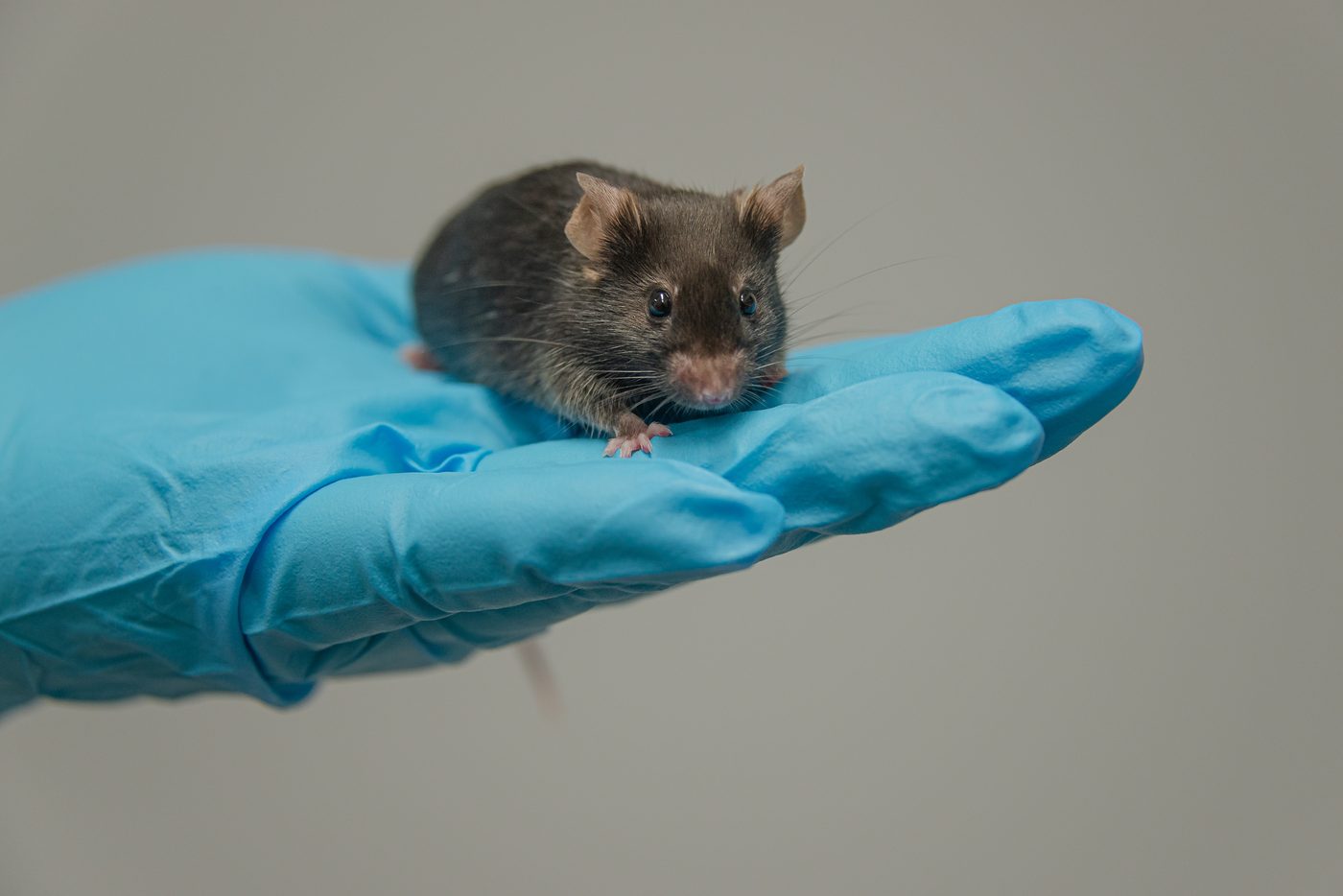
The titular mouse, who underwent the same experimental procedure before Charlie and whose own decline becomes an early warning sign, functions as direct foreshadowing that Charlie - and to some extent the reader, caught up in his excitement - initially resists fully absorbing, giving the novel's structure a quiet, building dramatic irony.
The Cruelty Charlie Couldn't Perceive Before the Surgery
As Charlie's intelligence increases, he becomes retroactively aware that people he considered friends before the surgery were actually mocking him, a realization that complicates the novel's apparent argument that increased intelligence is straightforwardly good - it also brings genuine new pain and isolation Charlie couldn't previously perceive.
Charlie's Complicated Relationship With His Own Past Self
The novel handles Charlie's growing, uncomfortable awareness of his own pre-surgery intellectual disability with real complexity, avoiding both pity and triumphant transformation narrative in favor of something more genuinely difficult - Charlie has to reconcile who he was with who he's rapidly becoming, without a clean resolution to that tension.
Miss Kinnian as More Than a Simple Mentor Figure
Charlie's former teacher Alice Kinnian, who recommended him for the experimental procedure, becomes a genuinely complicated figure in the novel's emotional arc as their relationship shifts alongside Charlie's rapidly changing intellectual capacity, and the novel treats this evolving dynamic with real emotional honesty rather than simple romantic uplift.
The Scientific Team's Own Ethical Blind Spots
The researchers who perform Charlie's surgery are rendered with genuine ambivalence rather than simple villainy or heroism - the novel raises pointed questions about scientific ambition, consent, and whether Charlie was ever fully able to understand what he was agreeing to, questions the novel doesn't fully resolve.
A Structure That Refuses a Simple Rise-and-Fall Arc
Rather than a clean inverted-U trajectory, the novel renders Charlie's rise and eventual decline with genuine specificity and unevenness, giving real texture to both phases rather than treating them as symmetrical mirror images of each other.
Why the Ending Devastates Without Sentimentality
Without spoiling the specific final pages, the novel's conclusion achieves real emotional power through the same formal device that structures the whole book - watching the prose itself change one final time - rather than through explicit sentimental narration, which is part of why it lands as hard as it does.
Who Should Read This
Readers interested in a novel whose formal structure directly enacts its central subject, anyone drawn to science fiction that prioritizes emotional and ethical complexity over technical speculation, and readers who appreciate a story about intelligence and dignity that refuses easy answers.
Pros and Cons
Pros:
- The evolving prose style directly enacts Charlie's changing intelligence rather than simply describing it
- Handles the ethics of experimental science and consent with genuine, unresolved complexity
- Refuses to treat increased intelligence as straightforwardly good, adding real emotional nuance
- The ending achieves devastating power through formal craft rather than explicit sentimentality
Cons:
- The deliberately altered spelling and grammar in early sections requires some adjustment for readers
- Genuinely difficult emotional territory around disability, isolation, and decline
Frequently Asked Questions
Is this science fiction or literary fiction?
Both - it uses a science fiction premise (experimental intelligence surgery) in service of genuinely serious literary and ethical questions about dignity and consent.
Why is the early writing full of misspellings?
It's deliberate - Charlie's own evolving prose quality is the novel's central formal device, letting readers experience his changing intelligence directly rather than through description.
Does the novel argue that more intelligence is better?
No - it complicates this directly, showing Charlie become aware of past cruelty and isolation he couldn't previously perceive, alongside genuine new capability.
Who is Algernon and why does the mouse matter?
Algernon underwent the same procedure before Charlie, and the mouse's own trajectory functions as direct, building foreshadowing for what Charlie initially resists seeing.
Final Verdict
Keyes's formal gamble - telling the whole story through one character's own changing prose - pays off completely, making this one of the few novels where the writing itself is inseparable from what it's actually about.
Rating: 9.3/10