Claudia Kincaid runs away from her comfortable suburban home not out of genuine distress but out of a specific, considered desire for a change of pace and a bit of recognition, and she brings along her younger brother Jamie primarily because he's saved enough allowance money to fund the operation. E.L. Konigsburg builds the entire novel around their meticulously planned secret residence inside New York's Metropolitan Museum of Art, following their specific practical logistics for bathing, laundry, and evading museum staff alongside their gradual entanglement in a genuine art-historical mystery involving a possibly Michelangelo-authored statue, producing a story that combines genuine procedural satisfaction with real emotional insight about a specific kind of restless, under-stimulated childhood boredom.
A Runaway Motivated by Boredom, Not Distress
Unlike a typical runaway narrative driven by genuine family dysfunction or distress, Claudia's decision to leave home stems from a more specific, relatable restlessness and desire for some form of distinction and adventure within an otherwise comfortable, unremarkable life, giving the novel's premise genuine psychological specificity distinct from more conventional runaway stories.
Meticulous Practical Planning as Narrative Pleasure
A significant portion of the novel's appeal comes from Claudia and Jamie's genuinely detailed, logistically considered planning for living inside the museum, including specific solutions for bathing in the museum fountain, doing laundry, and managing their limited funds, and Konigsburg renders this practical problem-solving with enough specific detail to make it genuinely satisfying to follow.
The Sibling Dynamic Between Claudia and Jamie
The relationship between meticulous, image-conscious Claudia and more frugal, pragmatic Jamie provides genuine comic and emotional texture throughout the novel, their occasional friction over money and planning decisions rendered with enough specific, believable detail to give their partnership real sibling authenticity beyond simple narrative convenience.
The Michelangelo Statue as Genuine Art-Historical Mystery
The novel's central mystery, involving a statue the museum has acquired at a suspiciously low price and whose authentication as a genuine Michelangelo work becomes uncertain, gives Claudia and Jamie's museum residence a specific investigative purpose beyond simple escape, grounding the more whimsical premise in genuine, structured mystery-solving.
Claudia's Specific Desire for Distinction
Claudia's underlying motivation, articulated gradually throughout the novel, involves a genuine desire to return home not simply having run away but having become someone different and distinguished through the experience, and this specific psychological motivation gives her character arc real thematic coherence tied directly to the museum mystery's eventual resolution.
Mrs. Basil E. Frankweiler as Framing Narrator
The novel's frame device, in which the eccentric, wealthy Mrs. Frankweiler recounts Claudia and Jamie's story to her lawyer while revealing her own direct connection to the central mystery, provides a distinctive narrative structure that adds genuine intrigue and a specific adult perspective on the children's adventure beyond straightforward third-person narration.
The Metropolitan Museum as Vividly, Specifically Rendered Setting
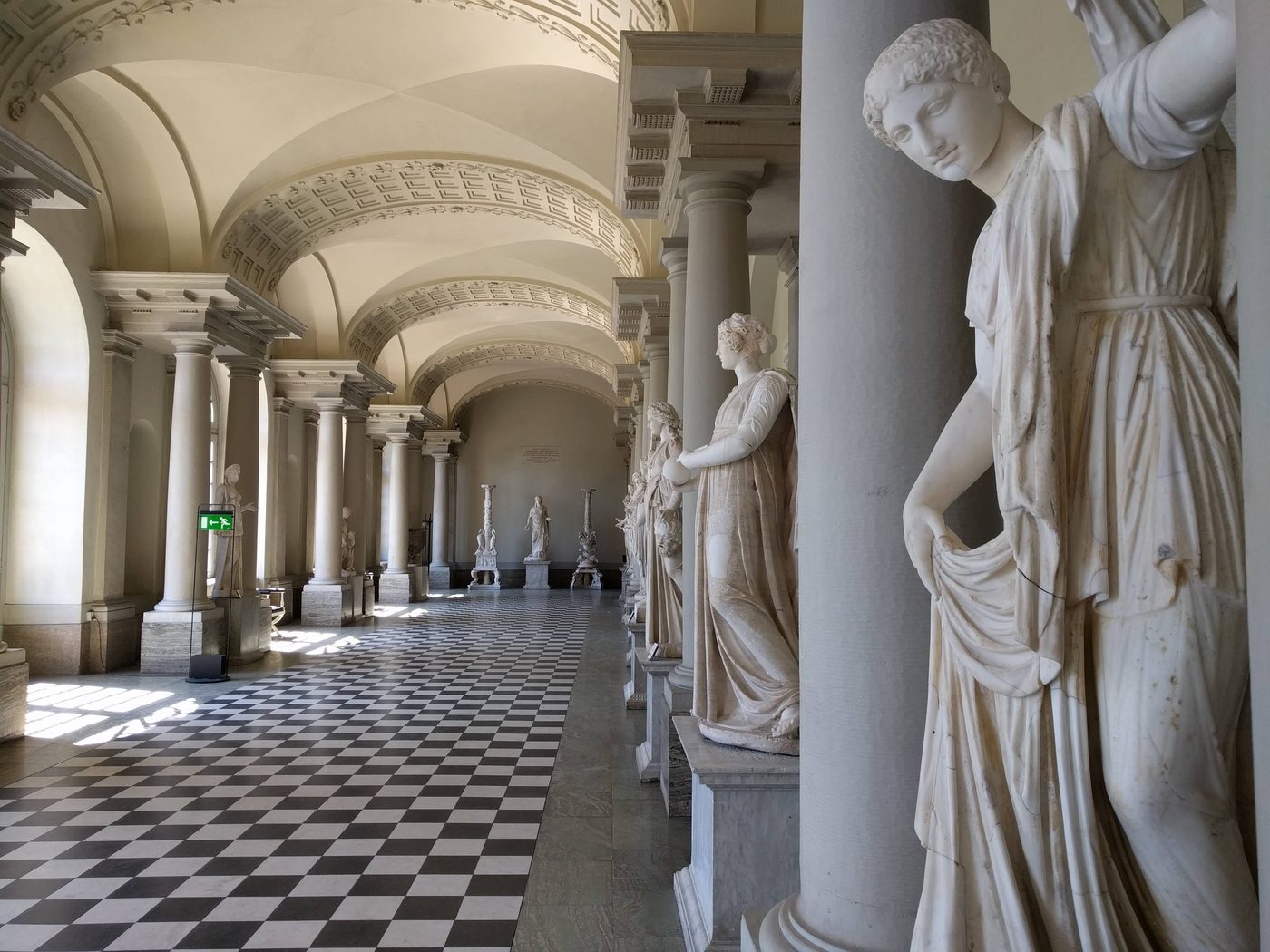
Konigsburg renders the actual Metropolitan Museum of Art with genuine specific detail regarding its galleries, layout, and operational rhythms, grounding the novel's fantastical premise of secretly living inside a major museum in enough concrete, credible detail to make the scenario feel genuinely plausible rather than purely whimsical.
A Genuine Meditation on Identity and Return
Beyond its adventure and mystery elements, the novel examines genuine questions about identity, distinction, and what it actually means to return home changed by an experience, using Claudia's specific psychological journey to explore themes considerably more substantial than a typical adventure narrative's surface premise might suggest.
A Satisfying Mystery Resolution Tied to Character Growth
The eventual resolution of the Michelangelo authentication mystery is constructed to directly serve Claudia's underlying character arc and specific desire for distinction, giving the novel's mystery and emotional threads a genuinely integrated, mutually reinforcing resolution rather than two separate plot elements simply resolved in parallel.
Why the Novel Remains a Beloved Classic of Middle-Grade Fiction
Since its original publication, From the Mixed-Up Files of Mrs. Basil E. Frankweiler has remained widely beloved for its distinctive combination of genuinely satisfying practical adventure planning, real art-historical mystery, and specific psychological insight into a particular kind of restless childhood boredom, securing its lasting status as one of the more distinctive and rereadable works of middle-grade fiction.
Pros and Cons
Pros:
- Grounds its runaway premise in specific, relatable boredom rather than generic family distress
- Meticulous practical planning for museum living provides genuinely satisfying procedural detail
- Michelangelo statue mystery gives the adventure a structured investigative purpose
- Mrs. Frankweiler's frame narration adds distinctive structure and adult perspective
- Mystery resolution is genuinely integrated with Claudia's underlying character arc
Cons:
- Some readers may find the runaway premise's low emotional stakes less dramatically compelling
- 1960s-era specific details about money and museum operations reflect its original publication period
- The frame narrative device requires some adjustment for readers expecting straightforward chronology
Frequently Asked Questions
Is this book appropriate for young children?
Yes, it's widely read by middle-grade readers and doesn't involve genuine danger or distress, focusing instead on adventure, mystery, and specific practical problem-solving.
Is the museum setting a real place?
Yes, the novel is set in the real Metropolitan Museum of Art in New York City, rendered with genuine specific detail about its galleries and operations.
Why did Claudia run away from home?
Not due to genuine family distress, but from a specific desire for adventure, distinction, and a change of pace within an otherwise comfortable, unremarkable life.
Is this primarily an adventure story or a mystery?
It's genuinely both, combining the practical adventure of secretly living in a museum with a structured art-historical mystery involving a possibly authentic Michelangelo statue.
Final Verdict
From the Mixed-Up Files of Mrs. Basil E. Frankweiler endures because E.L. Konigsburg grounds its whimsical runaway premise in genuinely satisfying practical detail and a specific, relatable psychological motivation distinct from more conventional runaway narratives. The Michelangelo authentication mystery gives Claudia and Jamie's museum residence real investigative purpose, and Mrs. Frankweiler's distinctive frame narration adds genuine intrigue beyond straightforward storytelling. Decades after publication, its combination of procedural satisfaction and genuine insight into childhood restlessness continues to make it one of middle-grade fiction's most distinctive and rereadable classics.
Rating: 4.7/10