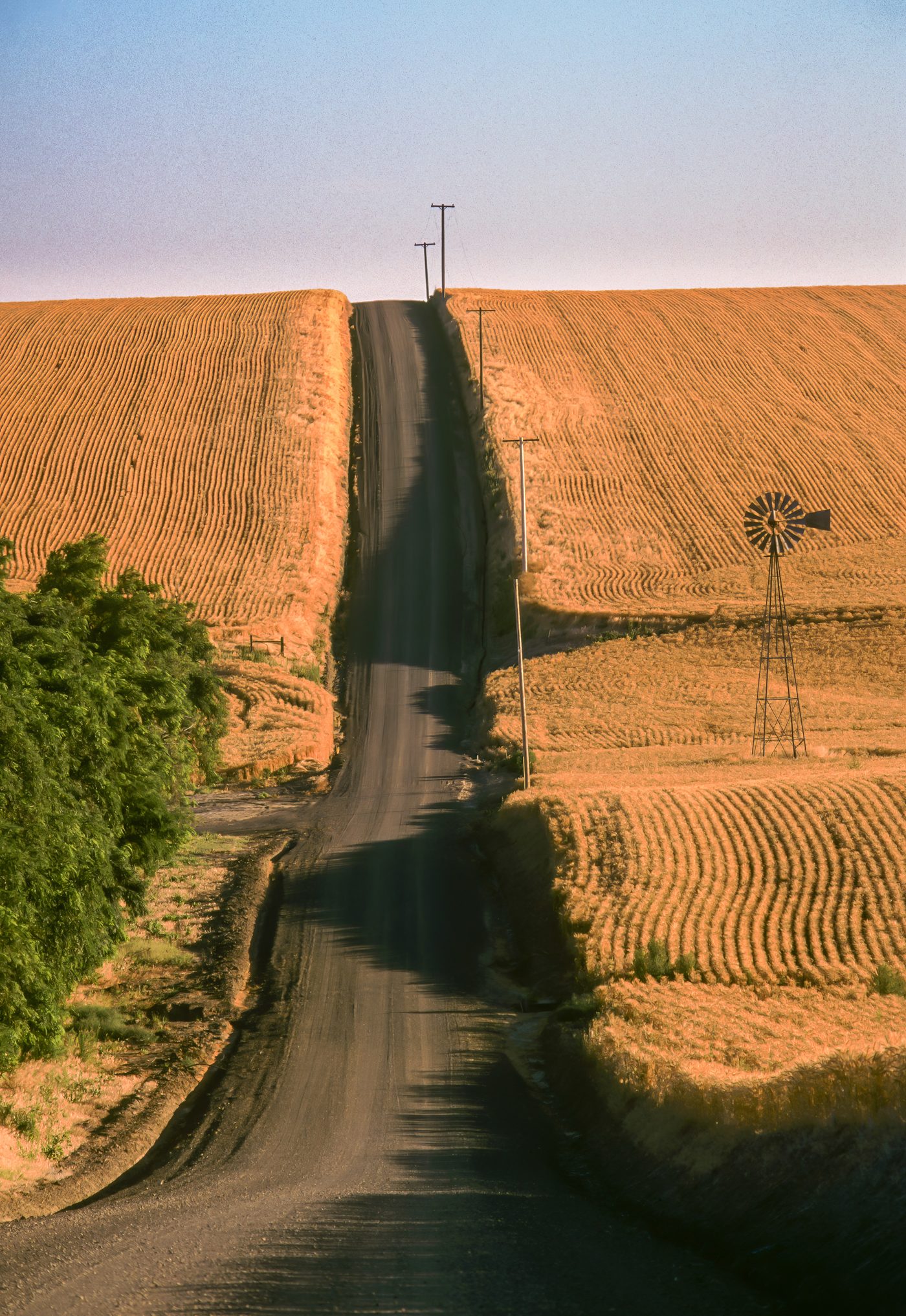
Before writing a word of the novel, Steinbeck spent real time traveling with actual displaced Dust Bowl families and reporting from migrant labor camps, and that groundwork shows in details too specific and too unglamorous to have been invented from a comfortable distance. Knowing this reporting happened first changes how you read every scene of hardship that follows.
Grounded in Real Reporting, Not Imagined Hardship
Steinbeck's prior journalism covering actual migrant labor camps and his direct travel alongside displaced families gives the novel's depiction of Dust Bowl migration a specificity - exact prices, exact camp conditions, exact treatment by labor contractors - that distinguishes it from more generalized social-protest fiction of its era.
The Intercalary Chapters as Deliberate Structural Argument
Steinbeck interrupts the Joad family's specific story with shorter, broader chapters describing the migration and agricultural economics on a larger scale, a structural choice that some readers find disrupts narrative momentum and others find essential to the novel's full argument about systemic forces beyond any one family's control.
The Joad Family as Specific Individuals, Not Symbols
Despite the novel's larger social argument, Steinbeck renders each Joad family member with genuine individual specificity - Ma Joad's particular form of stubborn resilience, Tom Joad's specific journey from self-interest toward collective consciousness, Rose of Sharon's own distinct arc - refusing to flatten them into pure symbolic representation of migrant suffering generally.
Tom Joad's Political Awakening, Tracked Precisely
Tom's transformation across the novel, from someone focused narrowly on his own family's survival toward a broader sense of collective solidarity with other displaced workers, is tracked with real incremental specificity rather than a single sudden conversion, giving the novel's political argument genuine narrative grounding.
Ma Joad as the Family's Actual Center of Gravity
Ma Joad functions throughout as the family's real source of stability and moral clarity, and Steinbeck's decision to locate the novel's emotional and ethical center in a mother rather than a more conventional male protagonist was a notable choice for the era, worth real attention.
The Novel's Direct, Undisguised Political Argument
Unlike fiction that leaves its politics implicit, Steinbeck states his argument about agricultural capitalism, land ownership, and worker exploitation directly and repeatedly, a choice that drew real contemporary controversy - including public burnings and bans in some California counties the novel directly criticizes.
The Ending's Genuinely Startling Final Image
Without spoiling the specific final scene, the novel's conclusion delivers one of American literature's most startling, deliberately provocative closing images, and understanding it as the culmination of the novel's argument about human connection under extremity, rather than an isolated shock, is essential to reading it as Steinbeck intended.
Rose of Sharon's Arc, Often Underdiscussed
Rose of Sharon's storyline, moving from self-absorbed pregnancy anxieties toward the novel's climactic act of connection, is frequently underdiscussed relative to Tom's more famous arc, but it carries real thematic weight and directly sets up the novel's controversial final image.
A Novel That Shaped Real Policy Discussion
Beyond its literary reception, the novel is credited with meaningfully shifting American public awareness of migrant labor conditions during the Depression, feeding directly into subsequent journalism and policy discussion - a documented real-world influence unusual for a work of fiction.
Who Should Read This
Readers interested in socially engaged American fiction grounded in genuine on-the-ground reporting, anyone drawn to a family narrative that widens into a larger systemic argument without losing individual specificity, and readers who appreciate a novel willing to state its politics directly rather than hiding them.
Pros and Cons
Pros:
- Grounded in Steinbeck's own direct reporting from real migrant camps, giving it unusual factual specificity
- The Joad family members are rendered as genuine individuals, not flattened symbols of collective suffering
- Ma Joad's centrality was a notably progressive structural choice for its 1939 publication
- Documented real-world influence on public awareness and policy discussion around migrant labor
Cons:
- The intercalary structural chapters interrupt narrative momentum, dividing readers on their effectiveness
- Unflinching depiction of poverty and exploitation makes for genuinely difficult, sustained reading
Frequently Asked Questions
Is this based on real events?
It's fiction, but grounded directly in Steinbeck's own prior journalism and travel with actual displaced Dust Bowl families, giving it unusual factual specificity.
Why does the novel keep interrupting the Joad family story?
Steinbeck's intercalary chapters widen the lens to broader agricultural economics - a deliberate structural choice, though it divides readers on effectiveness.
Was this book controversial when it was published?
Yes - it drew public burnings and bans in some California counties it directly criticized for treatment of migrant workers.
Is the ending meant to be shocking?
Yes, deliberately - it's the culmination of the novel's argument about human connection under extremity, not an isolated device.
Final Verdict
Grounded in reporting Steinbeck did before he let himself write a word, this remains a genuinely powerful argument about systemic hardship that never loses sight of the specific individuals living through it.
Rating: 9.1/10