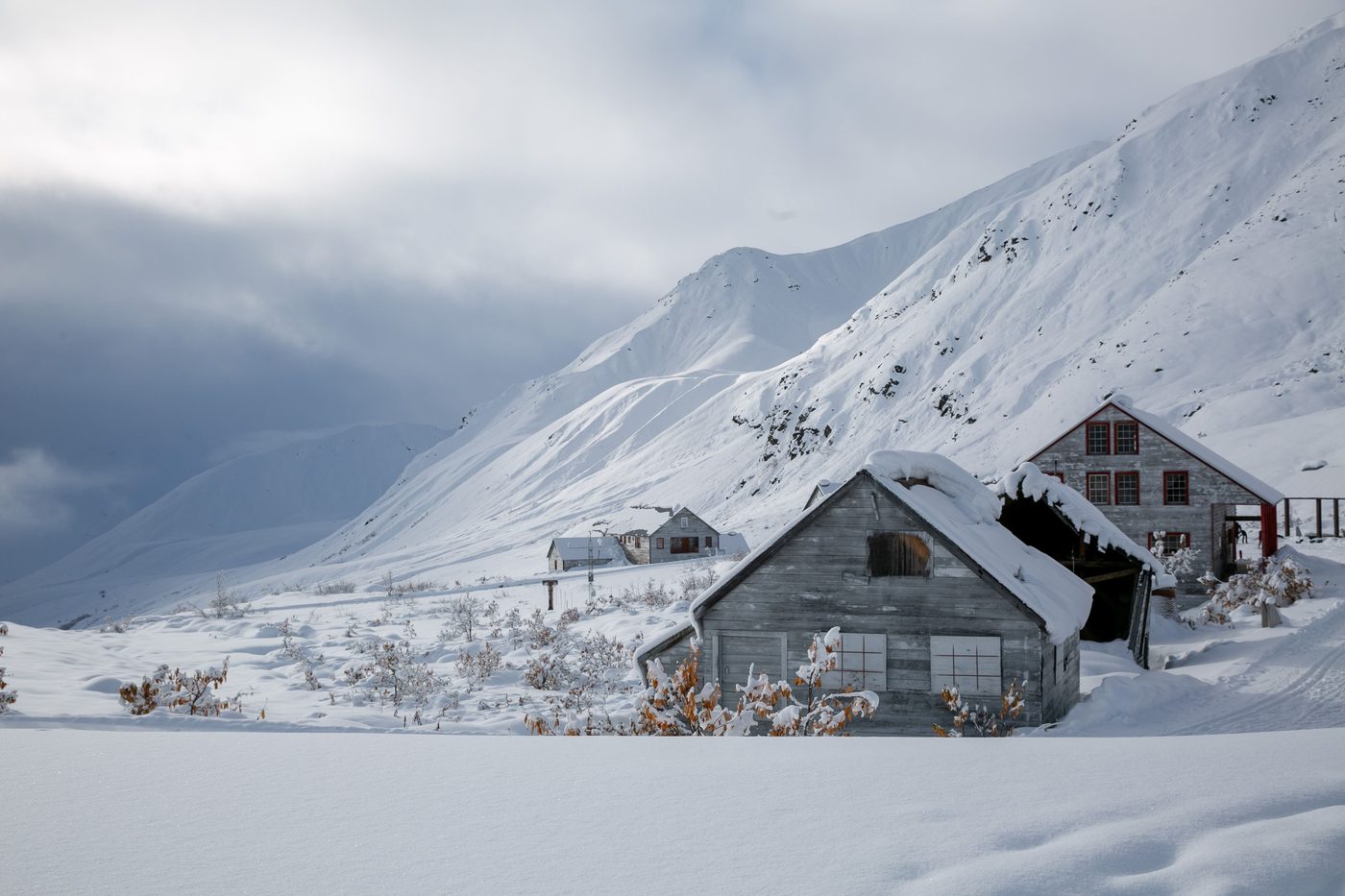
The Allbright family moves to remote Alaska in 1974 chasing a fresh start after their father's return from Vietnam left him genuinely unstable, but Kristin Hannah makes clear from early chapters that the wilderness's real dangers pale beside what's happening inside their own household. Told through the eyes of teenage daughter Leni, the novel combines vivid survivalist detail with an unflinching portrait of domestic abuse and the genuine communities of resilience that can form at the edge of the world.
Alaska Rendered With Genuine Survivalist Specificity
Hannah's depiction of 1970s homestead life in remote Alaska carries genuine, well-researched specificity about subsistence living, extreme weather, and the practical skills required simply to survive, grounding the novel's emotional drama in authentic physical stakes.
A Father's PTSD Handled With Genuine Complexity
Ernt Allbright's instability, rooted in undiagnosed and untreated trauma from his time as a prisoner of war, is rendered with genuine complexity, neither excusing his escalating abuse nor reducing him to a simple villain divorced from real circumstance.
Leni's Coming-of-Age Amid Genuine Danger
Teenage narrator Leni's adolescence unfolds against the backdrop of both the Alaskan wilderness's genuine physical danger and her father's escalating volatility at home, giving her coming-of-age story authentic, layered stakes beyond typical genre convention.
A Mother Trapped by Genuine Economic and Emotional Dependency
Cora, Leni's mother, remains with Ernt despite escalating abuse, and Hannah renders this choice with genuine psychological complexity, depicting real economic isolation and complicated love rather than simple weakness.
A Frontier Community's Genuine, Practical Solidarity
The novel's remote Alaskan community responds to the Allbright family's crisis with genuine, practical solidarity, and Hannah uses this depiction to explore how isolated communities can create real support networks even amid their own harsh circumstances.
Domestic Abuse Depicted Without Sensationalism
Hannah handles Ernt's escalating violence with genuine narrative restraint, focusing on its real psychological toll on Leni and Cora rather than gratuitous depiction, keeping the novel's focus on survival and resilience rather than spectacle.
A Genuinely Vivid Sense of Place Across Seasons
The novel's structure follows Alaska's dramatic seasonal extremes with genuine descriptive precision, using the landscape's own volatility as a structural and thematic mirror for the family's escalating internal crisis.
A Young Romance That Provides Genuine Hope
Leni's relationship with a fellow homesteader's son offers genuine emotional respite within the novel's darker material, handled with real tenderness without becoming a simple escape from the family's core crisis.
A Structure That Spans Decades With Real Consequence
The novel extends well beyond Leni's teenage years into her adulthood, tracing the long-term consequences of her childhood trauma with genuine narrative patience rather than confining the story to a single formative summer.
An Ending That Balances Genuine Hope and Loss
The novel's conclusion offers real, hard-won hope for Leni's future while acknowledging genuine, lasting loss from her childhood, avoiding both bleak nihilism and false, uncomplicated resolution.
Pros and Cons
Pros:
- Its Alaska setting is rendered with genuine, well-researched survivalist specificity
- Its portrait of PTSD-driven domestic abuse avoids simple villainy or easy excuse
- Its depiction of a mother's entrapment carries real psychological complexity
- Its frontier community offers a genuine model of practical, isolated solidarity
- Its multi-decade structure gives childhood trauma authentic, lasting narrative consequence
Cons:
- Its depiction of domestic abuse will be genuinely difficult for many readers
- Its extended, multi-decade structure asks for real sustained investment
- Its combination of survivalist and domestic drama covers considerable emotional ground
Frequently Asked Questions
Is this book appropriate for readers sensitive to domestic abuse content?
The novel depicts escalating domestic abuse with real seriousness, so readers sensitive to this content should be aware before starting.
Is this book more about wilderness survival or family drama?
It combines both genuinely, using the physical demands of Alaskan homestead life as a backdrop for an unflinching portrait of family crisis.
What time period does the novel cover?
It begins in 1974 and extends across multiple decades, following Leni into adulthood to trace the long-term consequences of her childhood.
Is this connected to Kristin Hannah's other novels?
No, it is a standalone novel, though it shares Hannah's broader interest in resilient women facing genuinely difficult historical circumstances.
Final Verdict
The Great Alone earns its bestseller status through Kristin Hannah's genuine skill at combining meticulously researched wilderness survival detail with an unflinching, psychologically complex portrait of domestic abuse rooted in untreated trauma. Its teenage narrator Leni provides authentic, layered stakes as she navigates both the Alaskan frontier's real physical danger and her father's escalating volatility at home. The novel's multi-decade structure gives childhood trauma genuine, lasting narrative consequence, while its frontier community offers a real model of practical solidarity amid isolation. For readers seeking a genuinely well-researched, emotionally serious novel about survival in every sense of the word, this book remains essential reading, and it stands among Hannah's most acclaimed and widely read works.
Rating: 4.6/10