When five-year-old Heidi is delivered to her grandfather's remote Alpine cabin by an aunt no longer willing to care for her, the entire village assumes the reclusive old man, known locally as the Alm-Uncle and generally avoided for his bitter isolation, will make a poor guardian at best. Johanna Spyri spends the rest of the novel quietly dismantling that assumption, tracing how Heidi's genuine warmth and her grandfather's own capacity for connection, buried but never actually destroyed, gradually transform both of their lives along with the wider community around them. Written in the 1880s and remaining continuously popular since, Heidi combines vivid, loving descriptions of Alpine mountain life with a genuinely moving examination of healing, belonging, and the restorative power of both nature and honest affection.
The Alm-Uncle's Reputation Versus His Reality
The novel opens by establishing the grandfather's fearsome local reputation, a man the village considers bitter and dangerous following an unspecified past tragedy, before gradually revealing through Heidi's direct, unafraid interaction with him a considerably more complex, wounded man capable of genuine tenderness once someone actually approaches him without the fear and judgment the rest of the village extends.
Heidi's Unguarded, Transformative Presence
Heidi's fundamental characteristic throughout the novel is a genuine, unguarded warmth and curiosity that consistently disarms the more wary, wounded, or isolated adults around her, and Spyri uses this quality not as simple childish naivety but as a genuinely transformative force that gradually draws out authentic connection from people who have spent years protecting themselves from exactly that kind of vulnerability.
The Alps Rendered With Genuine Loving Specificity
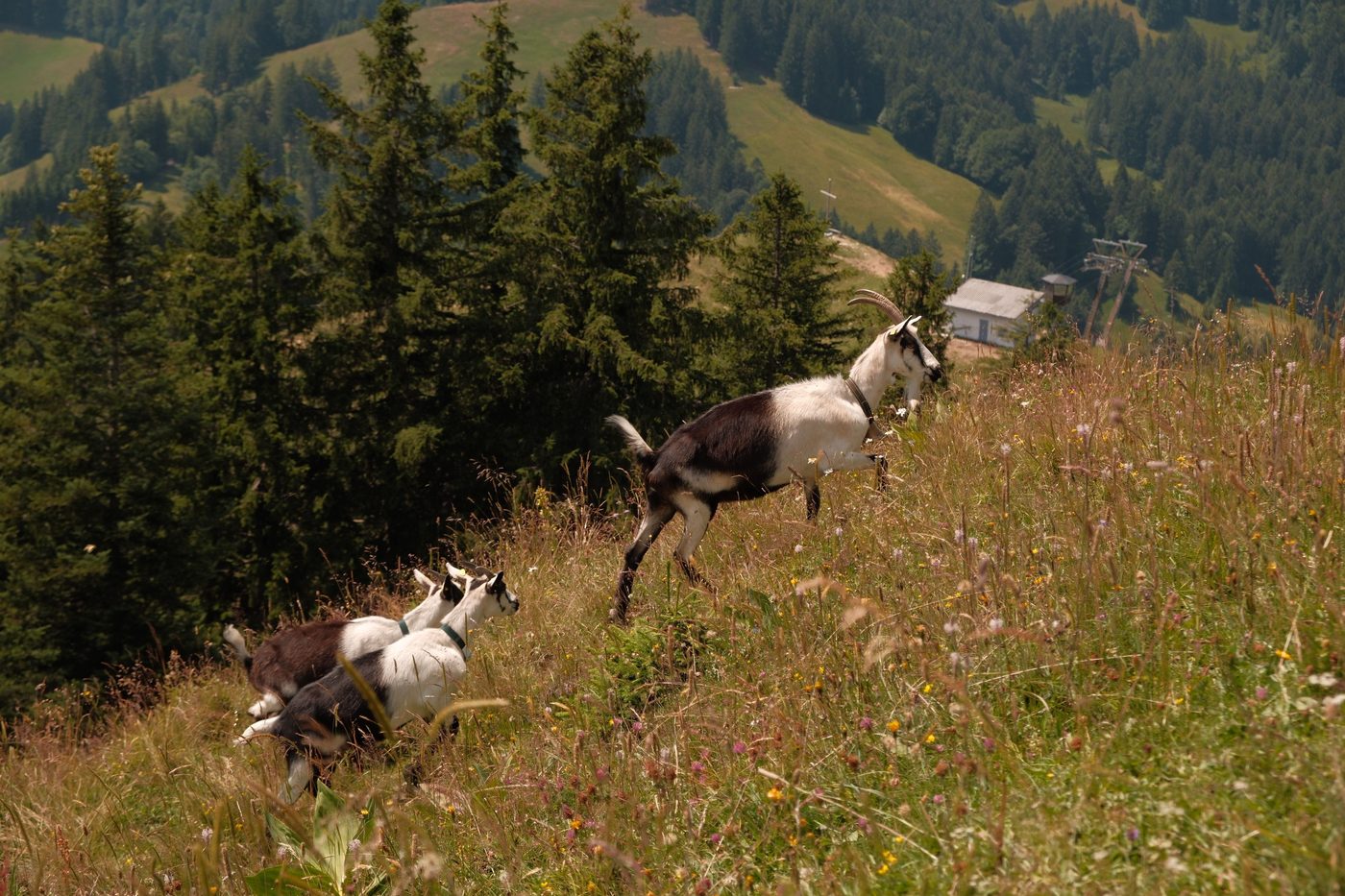
Spyri's descriptions of the Swiss Alpine setting, including specific detail about mountain pastures, goat herding, and the seasonal rhythms of highland life, reflect genuine personal affection for the landscape, grounding the novel's more sentimental elements in vivid, concrete physical detail that gives the setting itself a significant role in the story's healing, restorative themes.
Peter the Goatherd and Genuine Childhood Friendship
Heidi's friendship with Peter, a local goatherd boy who initially guides her through mountain life, provides the novel with a genuine, specifically rendered childhood friendship, and their relationship, including Peter's own complicated feelings as Heidi's connections expand beyond just him, adds emotional texture beyond the central grandfather-granddaughter relationship.
Heidi's Difficult Removal to Frankfurt
The novel's middle section, in which Heidi is sent to Frankfurt to serve as a companion for the wealthy but physically disabled Clara Sesemann, introduces genuine dramatic tension through Heidi's acute homesickness and the stark contrast between her free mountain life and the more rigid, structured urban household, illustrating how thoroughly her identity and wellbeing are tied to her specific home environment.
Clara Sesemann and an Unexpected Friendship Across Class Lines
Despite the initial difficulty of Heidi's Frankfurt placement, her genuine friendship with the wealthy, physically limited Clara develops real emotional substance, and this friendship, crossing significant class lines, sets up the novel's later exploration of healing and restored physical vitality once Clara eventually visits Heidi's mountain home.
Heidi's Homesickness as Genuine Psychological Portrait
Spyri renders Heidi's homesickness in Frankfurt with genuine psychological specificity, including documented physical symptoms of what would now likely be recognized as a stress response to prolonged displacement from her home environment, giving this section of the novel unexpected emotional and even clinical seriousness beneath its sentimental surface.
The Grandfather's Own Parallel Healing
As much as Heidi's story is about her own experience, the novel gives equal weight to her grandfather's parallel healing process, tracing his gradual return to broader community connection and emotional openness as a direct result of his relationship with Heidi, illustrating the novel's consistent theme that genuine connection can heal wounds regardless of how long they've been carried.
Clara's Visit and the Novel's Central Restorative Climax
Clara's eventual visit to the mountain, and her gradual physical strengthening through exposure to the mountain air, goat's milk diet, and encouraged physical activity, provides the novel's central restorative climax, using this development to reinforce Spyri's consistent thematic argument about nature, genuine community, and authentic care as sources of real healing beyond what more conventional medical treatment had achieved.
Why Heidi Remains a Beloved International Classic
Since its original publication, Heidi has been translated into dozens of languages and adapted across numerous films and other media, its combination of vivid Alpine setting, genuine emotional depth regarding isolation and healing, and an enduringly appealing central character securing its lasting status as one of the most beloved works of children's literature originating outside the English-speaking world.
Pros and Cons
Pros:
- Grandfather's transformation from feared recluse to genuine caregiver is rendered with real depth
- Vivid, loving Alpine setting descriptions ground the story's sentiment in concrete physical detail
- Heidi's homesickness in Frankfurt is portrayed with genuine psychological specificity
- Clara's friendship across class lines adds meaningful emotional texture beyond the central relationship
- Consistent thematic focus on nature and genuine connection as sources of real healing
Cons:
- Some period-specific religious framing reflects its 1880s Swiss publication context
- The Frankfurt section's contrast with mountain life relies on some simplified urban-versus-rural framing
- Certain plot resolutions, particularly Clara's recovery, may feel convenient to contemporary readers
Frequently Asked Questions
Is this book appropriate for young children?
Yes, it remains widely read by children and is generally considered gentle and appropriate, despite addressing genuine themes of loss, isolation, and healing.
Is this a religious book?
It includes some religious framing reflecting its original Swiss Protestant cultural context, though its central themes of connection and healing translate well beyond that specific framework.
Do I need to be familiar with Switzerland to enjoy this book?
No, though the vivid Alpine setting descriptions are a significant part of the novel's appeal and give readers a genuine sense of place.
Are there sequels to Heidi?
Spyri wrote a sequel continuing Heidi's story, and the character has also inspired numerous unofficial continuations and adaptations across various media.
Final Verdict
Heidi endures as a beloved international classic because Johanna Spyri grounds its sentimental premise in genuine psychological specificity and vivid, loving physical detail, particularly regarding the Alpine setting that becomes almost a character in its own right. The parallel healing arcs of Heidi's grandfather and her friend Clara give the novel real emotional substance beyond a simple feel-good children's story. More than a century after publication, its consistent argument that authentic connection and nature can heal even long-carried isolation continues to resonate across cultures and generations.
Rating: 4.7/10