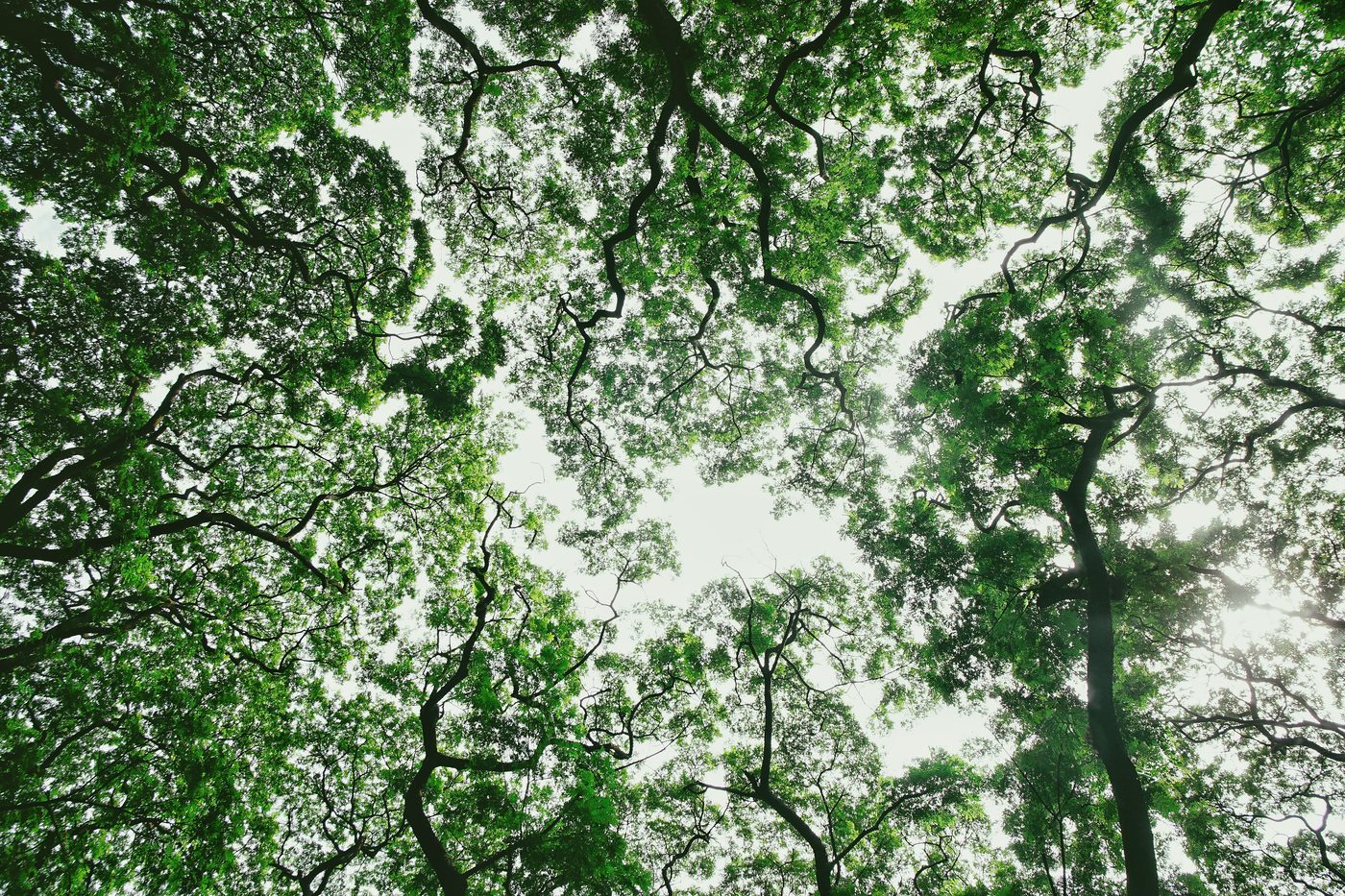
The Hidden Life of Trees draws on genuinely extensive direct professional experience that distinguishes it from more purely academic or journalistic nature writing, Peter Wohlleben, a German forester who managed a municipal forest for decades before writing this book, arguing from his own sustained close observation that trees engage in behaviors genuinely resembling communication, cooperation, and even care that challenge comfortable assumptions about plants as simple, unresponsive organisms lacking anything resembling social behavior. Wohlleben describes specific, well-documented phenomena including trees' capacity to communicate warning signals about insect attacks to neighboring trees through both airborne chemical signals and underground fungal networks, often described as the wood wide web, that connect root systems across a forest, and he details how mature trees appear to actively share nutrients with struggling neighbors, including sometimes even competitor species, and how parent trees seem to specifically limit sunlight reaching their own offspring in ways that paradoxically promote slower but ultimately stronger, more resilient growth, and while some of Wohlleben's specific interpretive claims about tree intentionality and care have drawn genuine scientific debate regarding how much anthropomorphizing language obscures versus illuminates actual plant biology, the book's underlying documented phenomena rest on real, increasingly substantiated forest ecology research.
Written From Decades of Direct Forestry Experience
Wohlleben's genuine professional background managing a municipal forest for decades gives the book's observations about tree behavior unusual firsthand credibility and specific detail compared to purely academic or journalistic nature writing.
The Wood Wide Web: Underground Fungal Networks
The book's detailed treatment of underground fungal networks connecting tree root systems across a forest, often called the wood wide web, offers readers one of its most genuinely surprising and well-documented ecological insights.
Trees Warning Neighbors About Insect Attacks
Wohlleben's account of trees communicating warning signals about insect attacks to neighboring trees through airborne chemical signals gives readers a specific, concrete example of genuine, if debated, plant communication behavior.
Sharing Nutrients With Struggling Neighbors
The book's description of mature trees appearing to actively share nutrients with struggling neighboring trees, sometimes even competitor species, offers a genuinely striking challenge to assumptions about purely competitive plant behavior.
Parent Trees Limiting Sunlight for Offspring
Wohlleben's account of parent trees seeming to specifically limit sunlight reaching their own offspring, paradoxically promoting slower but stronger growth, gives readers a genuinely counterintuitive, specific example of complex forest dynamics.
Genuine Scientific Debate Over Interpretive Language
It's worth understanding that some of Wohlleben's specific interpretive claims about tree intentionality and care have drawn genuine scientific debate regarding anthropomorphizing language, and readers should approach the book's more evocative framing with this active discussion in mind.
Underlying Phenomena Grounded in Real Ecology Research
Despite debate over interpretive framing, the book's underlying documented phenomena, including fungal network connections and chemical signaling, rest on real, increasingly substantiated forest ecology research rather than pure speculation.
Accessible, Engaging Nature Writing
Wohlleben's genuine gift for accessible, engaging nature writing, translating forest ecology into vivid, relatable prose, has made the book widely popular with general readers well beyond specialized forestry or ecology audiences.
Who Should Read This Book
The Hidden Life of Trees is valuable for readers interested in forest ecology, nature writing, and plant biology specifically, as well as anyone wanting an accessible, engaging entry point into the genuinely surprising complexity of forest ecosystems.
The Premium Hardcover Edition
This hardcover edition is well-produced and suited to a book that has become one of the most widely read popular nature writing titles in recent years, with binding quality appropriate for a title frequently gifted to nature enthusiasts.
Pros and Cons
Pros:
- Decades of direct forestry experience give tree behavior observations unusual firsthand credibility and detail
- Wood wide web fungal network material offers one of the book's most surprising, well-documented ecological insights
- Specific examples like nutrient sharing and offspring protection give abstract ecology vivid, concrete illustration
- Underlying documented phenomena rest on real, increasingly substantiated forest ecology research
- Genuinely accessible, engaging prose has made complex forest ecology widely popular beyond specialist audiences
Cons:
- Some specific interpretive claims about tree intentionality have drawn genuine scientific debate and critique
- Anthropomorphizing language, while engaging, requires readers to distinguish evocative framing from established science
- Certain readers seeking purely rigorous academic ecology may prefer more technical, less narrative treatment
Frequently Asked Questions
Is the author a real forestry professional?
Yes, Peter Wohlleben managed a municipal forest for decades before writing this book, giving his observations about tree behavior unusual firsthand professional credibility.
Do trees really communicate with each other?
The book documents real phenomena including chemical signaling and fungal network connections between trees, though some of Wohlleben's more evocative interpretive language about intentionality has drawn genuine scientific debate.
What is the wood wide web mentioned in this book?
It refers to underground fungal networks that connect tree root systems across a forest, allowing for nutrient sharing and chemical signaling between trees, a phenomenon increasingly documented by forest ecology research.
Is this book scientifically accurate, or mostly speculative?
The underlying documented phenomena rest on real forest ecology research, though some specific interpretive claims about tree care and intentionality remain subjects of genuine ongoing scientific discussion.
Final Verdict
The Hidden Life of Trees delivers Peter Wohlleben's genuinely accessible, firsthand-informed account of forest ecology's surprising complexity, from underground fungal networks connecting tree root systems to documented nutrient sharing between neighboring trees. His decades of direct forestry experience give the observations real credibility, even where some interpretive framing remains scientifically debated. This premium hardcover is essential, genuinely wondrous reading for anyone who will never look at a forest the same way again.
Rating: 8.9/10