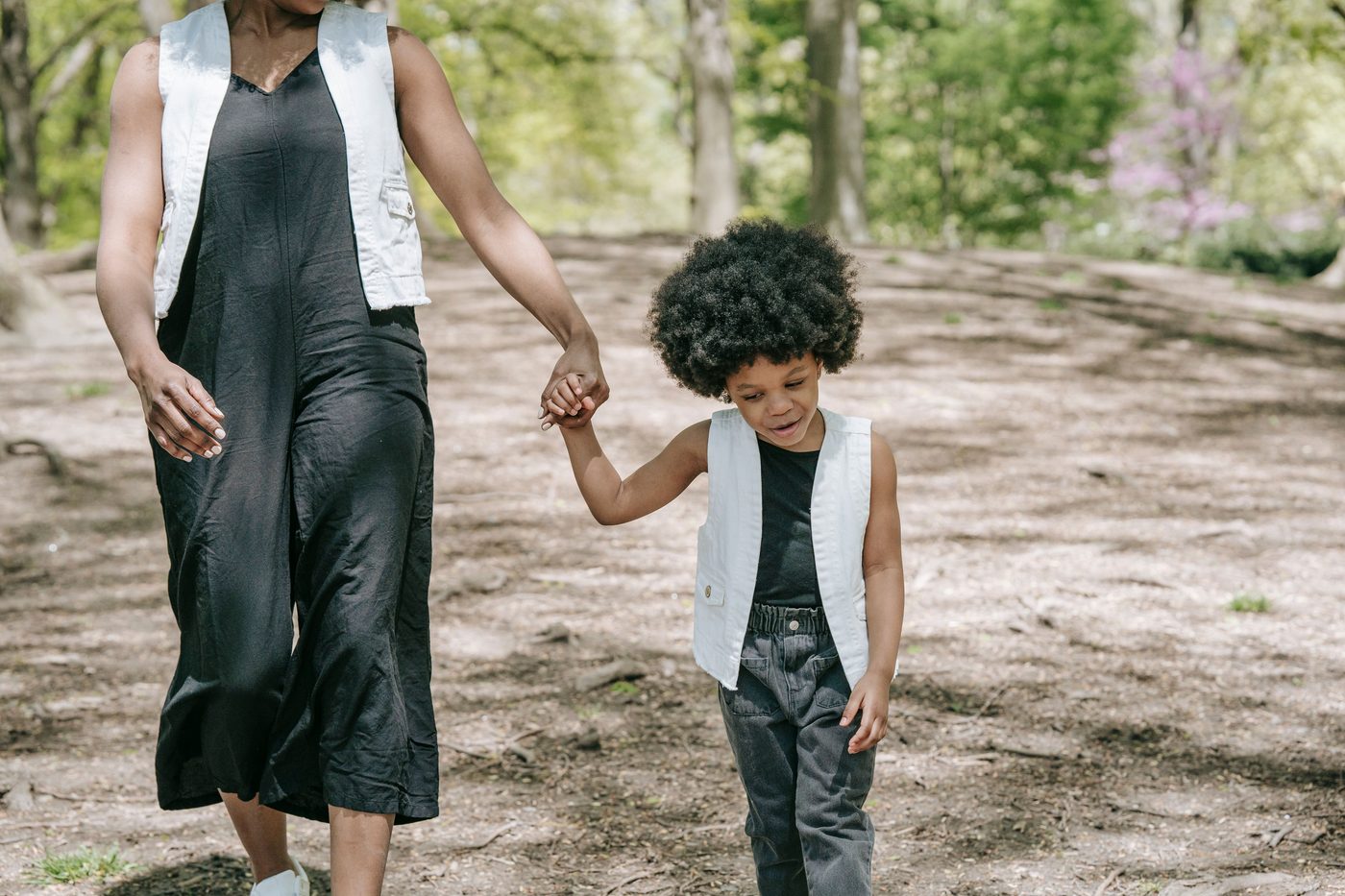
Gordon Neufeld, a developmental psychologist, and Gabor Maté, a physician, built Hold On to Your Kids around a specific concept they call peer orientation, the increasing tendency of children to look to other children rather than parents and other caring adults for emotional cues, values, and a sense of identity, a shift the authors argue undermines the healthy attachment children actually need to develop into secure, independent adults. Drawing on Neufeld's decades of clinical work with children and families alongside Maté's medical and psychological expertise, the authors trace how modern social conditions, including increased time with same-age peers relative to attentive adults, have gradually weakened the parent-child attachment bond that healthy development actually depends on. Rather than simply criticizing peer relationships in general, the book makes a specific case for restoring parents as children's primary compass, offering concrete guidance for rebuilding that connection where it has weakened.
Introducing Peer Orientation as a Specific, Named Developmental Concept
The authors' introduction of peer orientation, children looking to other children rather than parents for emotional cues and identity, gives readers a specific, nameable concept for a shift many sense but rarely articulate.
Written by a Developmental Psychologist and a Physician Together
The combination of Neufeld's decades of clinical developmental psychology work and Maté's medical and psychological expertise gives the book's central argument authority from two complementary professional perspectives.
Arguing Attachment to Caring Adults Is What Healthy Development Actually Requires
The book argues that healthy child development actually depends on strong attachment to caring adults, and that peer orientation undermines this foundation even when peer relationships themselves seem positive.
Tracing How Modern Social Conditions Increased Time With Same-Age Peers
The authors trace how modern social conditions, including increased structured time with same-age peers relative to attentive adults, have gradually contributed to weakening parent-child attachment.
Distinguishing Peer Orientation From Simply Having Healthy Friendships
The book carefully distinguishes peer orientation as a developmental concern from simply having healthy childhood friendships, avoiding the implication that all peer relationships are inherently harmful.
Offering Concrete Guidance for Rebuilding Parent-Child Attachment
Beyond diagnosis, the book offers concrete, practical guidance for parents seeking to rebuild and strengthen attachment where peer orientation has weakened the parent-child connection.
Drawing on Neufeld's Decades of Direct Clinical Work With Families
Neufeld's decades of direct clinical work with children and families grounds the book's theoretical framework in real, observed patterns from actual practice rather than purely abstract theory.
Addressing Modern Structural Changes in How Children Spend Their Time
The book addresses specific structural changes in how modern children spend their time, connecting broader social and institutional patterns to the individual developmental concept of peer orientation.
Positioning Parents as Children's Primary Compass Rather Than a Peripheral Role
The authors make a specific case for restoring parents as children's primary developmental compass, challenging cultural assumptions that peer independence is simply a natural and unambiguously positive milestone.
Why Hold On to Your Kids Remains an Influential Parenting Bestseller
Hold On to Your Kids endures as an influential bestseller because Neufeld and Maté's specific, named concept of peer orientation gives parents concrete language and practical guidance for a developmental shift most had only vaguely sensed before.
Pros and Cons
Pros:
- Introduces a specific, nameable concept for a developmental shift many parents sense but can't articulate
- Combines two complementary professional perspectives, developmental psychology and medicine
- Grounded in decades of direct clinical work with real children and families
- Offers concrete, practical guidance for rebuilding weakened parent-child attachment
- Carefully distinguishes its concern from simply opposing childhood friendships
Cons:
- Its central framework requires genuine cultural pushback against common modern parenting norms
- Some readers may find its critique of peer relationships initially counterintuitive
- Its guidance requires sustained parental effort rather than a single quick fix
Frequently Asked Questions
Does this book argue children shouldn't have friends?
No, it distinguishes healthy friendships from peer orientation specifically, where children look to peers rather than parents for core emotional guidance.
Is this book only relevant to parents of teenagers?
No, it addresses attachment and peer orientation across childhood development broadly, not only during adolescence.
Do I need a psychology background to understand this book?
No, it's written accessibly for general parent readers, though it draws on genuine developmental psychology research and clinical practice.
Is this considered an influential book on modern parenting and attachment?
Yes, it's widely regarded as an influential book introducing the specific concept of peer orientation to parenting discourse.
Final Verdict
Hold On to Your Kids earns its bestseller status through Gordon Neufeld and Gabor Maté's introduction of peer orientation, a specific, nameable concept for a developmental shift many parents sense but rarely articulate. Grounded in decades of direct clinical work, the book combines diagnosis with concrete practical guidance for rebuilding parent-child attachment. For parents concerned about their children's primary developmental compass, this book offers genuinely actionable, research-grounded perspective.
Rating: 4.7/10