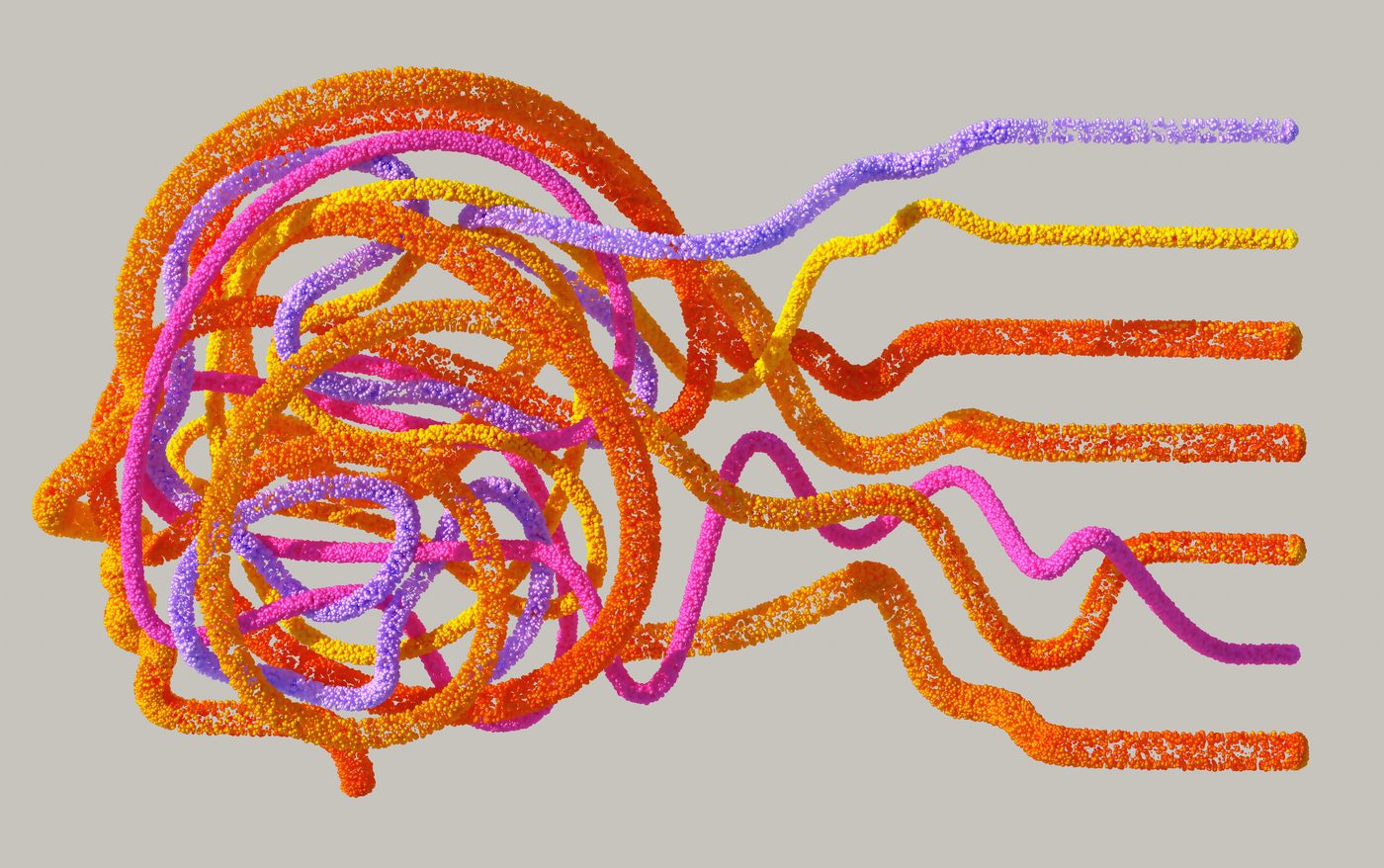
How to Change Your Mind arrives from an author whose previous books on food and agriculture built a reputation for rigorous, skeptical, deeply reported science journalism, and Michael Pollan brings that same investigative rigor to a genuinely surprising subject, the renewed clinical and scientific interest in psychedelic substances, LSD, psilocybin, and related compounds, after decades of prohibition following their association with 1960s counterculture. Pollan traces the substances' surprising scientific history, from early promising psychiatric research in the 1950s through the cultural backlash that shut that research down for decades, into the current renaissance of clinical trials investigating psychedelic-assisted therapy for treatment-resistant depression, addiction, and end-of-life anxiety in terminally ill patients, and he grounds the book's scientific and historical reporting in his own genuinely candid account of trying these substances himself as a curious, initially skeptical journalist well into middle age, giving readers both rigorous science journalism and an unusually honest first-person account of altered consciousness.
A Skeptical Journalist's Approach to a Controversial Subject
Pollan's genuine reputation for rigorous, skeptical science journalism, built across his earlier books on food and agriculture, gives this investigation into psychedelics real credibility with readers who might otherwise dismiss the subject as fringe or unserious.
The Suppressed History of Psychedelic Psychiatric Research
The book's detailed historical reporting on the substantial, promising psychiatric research into psychedelics conducted in the 1950s before political and cultural backlash shut it down for decades offers genuinely surprising context most readers are unfamiliar with.
The Current Clinical Renaissance
Pollan's reporting on the current renaissance of rigorous clinical trials investigating psychedelic-assisted therapy for treatment-resistant depression, addiction, and end-of-life anxiety gives the book genuine contemporary relevance beyond historical interest alone.
Pollan's Own First-Person Experiences
The book's genuinely candid first-person accounts of Pollan trying these substances himself as an initially skeptical, curious journalist in middle age gives readers an unusually honest, non-sensationalized window into altered consciousness experiences.
The Neuroscience of the Default Mode Network
The book's accessible explanation of the neuroscience research into how psychedelics affect the brain's default mode network, associated with ego and self-referential thought, gives readers a genuinely rigorous scientific framework for understanding these experiences beyond pure subjective report.
End-of-Life Anxiety in Terminally Ill Patients
Pollan's reporting on clinical trials using psychedelic therapy to address profound end-of-life anxiety in terminally ill cancer patients offers some of the book's most emotionally affecting and scientifically significant material.
Set and Setting as Critical Variables
The book's attention to set and setting, the critical importance of mindset and physical environment in shaping psychedelic experiences, gives readers essential context for understanding why controlled clinical settings differ so significantly from uncontrolled recreational use.
Legal and Ethical Complexity
Pollan gives genuine, nuanced attention to the legal and ethical complexity surrounding psychedelic substances, neither dismissing legitimate safety concerns nor uncritically endorsing unregulated use, maintaining journalistic balance throughout.
Who Should Read This Book
How to Change Your Mind is valuable for readers interested in neuroscience, mental health treatment, and consciousness generally, as well as readers who appreciate rigorous, well-researched science journalism on a genuinely underexplored topic.
The Premium Hardcover Edition
This hardcover edition is well-produced and suited to a book that has become a significant, frequently cited voice in renewed public conversation about psychedelic medicine, with binding quality appropriate for a title many readers reference repeatedly.
Pros and Cons
Pros:
- Pollan's established reputation for rigorous science journalism gives the subject genuine credibility
- Suppressed history of 1950s psychiatric research offers genuinely surprising, underreported context
- Candid first-person accounts give readers an unusually honest window into altered consciousness
- Accessible neuroscience explanation grounds the subject in rigorous science beyond subjective report
- Balanced treatment of legal and ethical complexity avoids both dismissal and uncritical endorsement
Cons:
- Subject matter remains legally and culturally sensitive, which may not suit all readers or contexts
- First-person experiential passages, while honest, are necessarily difficult to fully convey in prose
- Rapidly evolving clinical research means some specific findings may be superseded by newer studies
Frequently Asked Questions
Is this book promoting illegal drug use?
No, Pollan approaches the subject as a skeptical journalist reporting on legitimate clinical research and history, giving nuanced attention to legal and ethical complexity rather than encouraging unregulated use.
Does the author actually try psychedelics himself in the book?
Yes, Pollan includes genuinely candid first-person accounts of his own experiences with several substances as part of his research and reporting.
Is this book scientifically rigorous, or more personal memoir?
It combines both, grounding personal experiential accounts in rigorous historical research and neuroscience reporting on clinical trials and brain mechanisms.
What medical conditions does the book discuss psychedelic therapy for?
It covers treatment-resistant depression, addiction, and end-of-life anxiety in terminally ill patients, based on genuine ongoing clinical trials Pollan reports on directly.
Final Verdict
How to Change Your Mind delivers rigorous, deeply researched science journalism on psychedelic substances' suppressed history and current clinical renaissance, grounded in Michael Pollan's own genuinely candid first-person experiences as an initially skeptical journalist. It balances serious neuroscience with honest, non-sensationalized personal reporting throughout. This premium hardcover is essential, genuinely fascinating reading for anyone curious about consciousness, mental health treatment, or the surprising real science behind a long-stigmatized subject.
Rating: 8.9/10