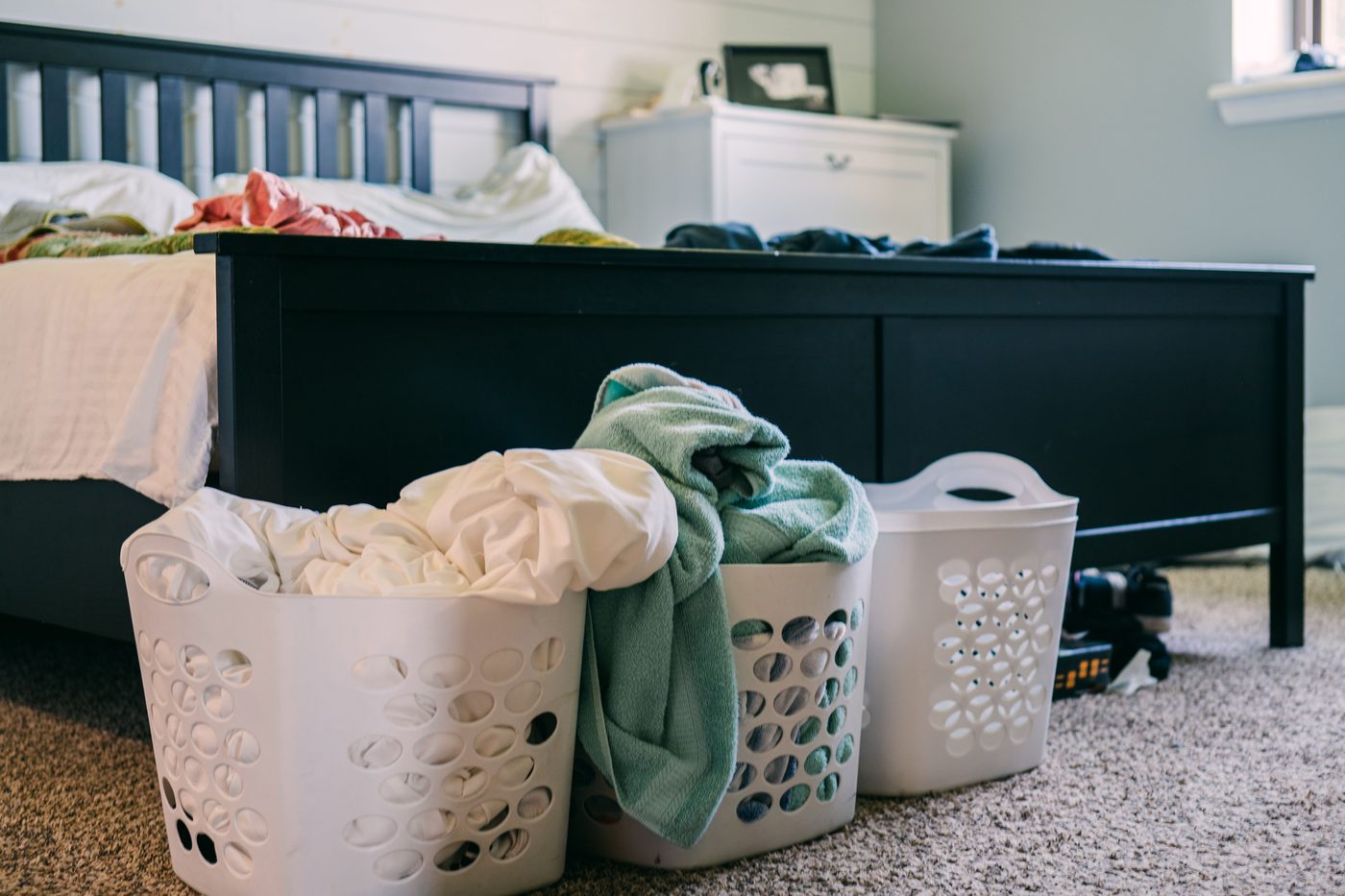
Most books about cleaning and organizing assume the problem is a lack of the right system. KC Davis, a licensed professional counselor, starts from a different premise entirely: for people struggling with depression, ADHD, chronic illness, or trauma, the problem usually isn't the system -- it's the shame attached to not being able to keep up. This review covers Davis's actual six pillars, the real 4.20-star reception across more than 84,000 Goodreads ratings, and the specific chapter that reviewers say divides readers more than any other part of the book.
What the Book Actually Argues
Davis structures the book around six core pillars: care tasks are morally neutral, rest is a right not a reward, you deserve kindness regardless of your level of functioning, you can't save the rainforest if you're depressed, shame is the enemy of functioning, and good enough is perfect. The throughline is that dishes, laundry, and cleaning aren't referendums on someone's worth as a person -- they're just tasks, and treating them as moral tests makes people who are already struggling function worse, not better.
About KC Davis and Why She Wrote This
Davis is a licensed professional counselor who began her own recovery journey at 16, when she entered treatment for drug addiction and mental health issues, and later built most of her career working in addiction treatment as a therapist, consultant, and executive director. In interviews, she's said the book grew directly out of a personal crisis: after the birth of her second child, she developed postpartum anxiety and depression and received a late diagnosis of adult ADHD, and her home descended into a "stress-mess cycle" so severe that she went seven months without folding a single piece of laundry. The turning point, by her own account, was a single reframe -- deciding that a home exists to work for the person living in it, not the other way around -- which she began sharing during the pandemic through her Struggle Care Instagram and the Domestic Blisters TikTok account before expanding the material into this book, aimed specifically at people whose depression, ADHD, chronic illness, or trauma make standard cleaning advice feel like one more source of shame rather than help.
What Reviewers Actually Said
Reception has been strong and specific: reviewers note that even readers who've never personally struggled with basic care tasks found the book's core reframe -- separating cleanliness from moral judgment -- genuinely useful to internalize. It's frequently recommended not just for people with depression or ADHD but for anyone who grew up with rigid ideas about what a clean home says about a person.
Where Real Reviews Pushed Back
The most specific, recurring criticism concerns tone: some readers found certain passages "defensive and argumentative," as if particular topics had struck a nerve for the author in ways that occasionally interrupted the book's otherwise gentle approach. There's also a genuinely funny but real point of reader division around one specific chapter -- the section on maintaining the interior of your car -- which some reviewers singled out as the part of the book they liked least, for reasons that vary reviewer to reviewer but come up often enough to be worth flagging.
Inside the Five Functional Categories
Beyond the six pillars, the book's most practical contribution is a system for tackling a messy room without getting overwhelmed by where to start. Davis breaks any cluttered space down into five categories she recommends addressing in a specific order: trash, dishes, laundry, things that have a place but aren't in it, and things that don't have a place at all. The order matters -- trash and dishes go first because they're quick, low-decision wins that build momentum, while "things that don't have a place" comes last because it's the category that requires actual decisions rather than just physical sorting, and decision fatigue is exactly what derails people already running low on capacity.
Gentle Skill-Building Chapters and Closing Duties
Much of the book's back half is organized as short, standalone "gentle skill-building" chapters -- separate short sections walking through laundry, dishes, bathrooms, changing bedsheets, and even keeping a car clean, each rebuilt from the ground up as a low-shame, low-friction process rather than assuming readers already know an "obvious" method. Davis also introduces what she calls closing duties: a short, repeatable end-of-day ritual for resetting the most-used spaces before bed, framed not as a full clean but as a way of lowering the psychological cost of facing the same space again tomorrow. Other chapters address who does unpaid household labor and why it's so often unevenly distributed, arguing for fairness in the division of care work as its own explicit goal rather than an afterthought.
Key Takeaways
- Davis's five-category system for a messy room -- trash, dishes, laundry, misplaced items, then items with no place -- is built to reduce decision fatigue, not to be exhaustive
- The book's central reframe, "your home works for you, not the other way around," came out of Davis's own postpartum depression, anxiety, and a late adult ADHD diagnosis, not from a clean-living background
- "Closing duties" -- a short nightly reset ritual -- matters more in Davis's system than any single deep clean, since it targets tomorrow's motivation rather than today's mess
- Separate chapters address the division of household labor as a fairness issue, not just a productivity one
- The gentle skill-building chapters on laundry, dishes, and bathrooms assume no prior knowledge, rebuilding basic tasks step by step for readers who never learned them without shame attached
Who This Book Is Actually For
People whose mental health, chronic illness, or neurodivergence makes traditional productivity and cleaning advice feel not just unhelpful but actively shame-inducing. It's a short book, meant to be read quickly rather than studied, which matches its own argument that "good enough is perfect" rather than demanding a perfect read-through.
Who Should Read Something Else Instead
If you're looking for a detailed organizational system with step-by-step processes for specific rooms, this isn't a systems book -- it's a mindset book. Readers wanting the tactical side might pair it with a more traditional organizing guide rather than expecting this book to cover that ground.
Pros and Cons
Pros:
- Strong 4.20 out of 5 rating across more than 84,000 Goodreads ratings
- Directly addresses the shame cycle around household tasks rather than just offering another cleaning system
- Written by a licensed professional counselor, not just a lifestyle influencer
- Short and quick to read, matching its own philosophy of 'good enough is perfect'
- Broadly applicable even to readers who don't personally struggle with depression or ADHD
Cons:
- Some passages read as defensive or argumentative, per multiple reader reviews
- The car-maintenance chapter specifically divides readers more than any other section
- Mindset-focused rather than a detailed tactical system -- not the right fit if you want room-by-room organizing steps
Frequently Asked Questions
What are Davis's six pillars?
Care tasks are morally neutral, rest is a right not a reward, you deserve kindness regardless of your level of functioning, you can't save the rainforest if you're depressed, shame is the enemy of functioning, and good enough is perfect.
What's the actual Goodreads rating?
4.20 out of 5 from roughly 84,000 ratings and over 12,000 written reviews as of this writing.
Is this book only for people with depression or ADHD?
No -- reviewers specifically note it's useful even for readers without those struggles, since the core argument is about separating cleanliness from moral judgment generally.
Is it a step-by-step cleaning system?
No. It's built around reframing shame and care tasks rather than providing a detailed room-by-room organizational method.
Sources & Further Reading
- Goodreads -- How to Keep House While Drowning (aggregate rating, reader reviews)
- PositiveLifes.com — free inspirational and life-changing PDF books
Final Verdict
How to Keep House While Drowning succeeds at what it actually sets out to do -- reframe care tasks as morally neutral rather than teach a cleaning system -- and the 4.20 rating across a large review pool backs that up. The tonal criticism about certain passages feeling defensive is real and worth knowing going in, but it doesn't undercut the book's central, genuinely useful argument. If shame around household tasks is part of what's keeping you stuck, this is a short, direct read built specifically for that problem.
Buy Day rating: 8.6/10