When Infinite Jest arrived on February 1, 1996, it created a kind of publishing event that rarely happens for a 1,079-page novel with 388 endnotes: bookstore lines, breathless advance press, and a critical response that split almost immediately between "generational talent" and "someone needed to edit this." Nearly three decades later, it still sits near the top of best-novels-of-its-era lists while also being the book most commonly cited, by its own fans, as the one they own two copies of and still haven't finished. This review works through what the novel is actually structured like, what critics genuinely said about it on release, the real reader numbers today, and the specific, well-documented reasons people bounce off it.
What Infinite Jest Actually Is
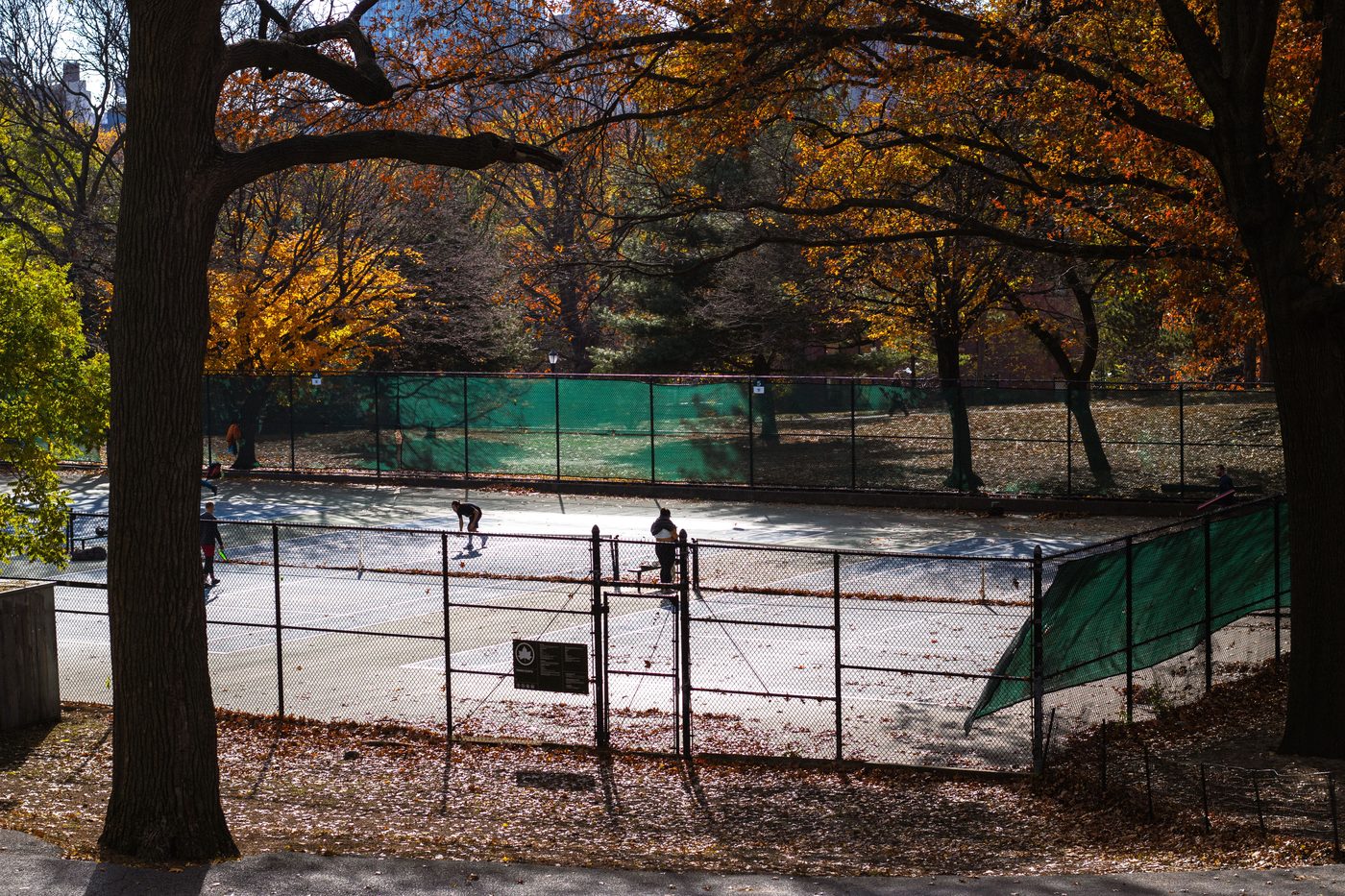
Infinite Jest is set at a near-future elite tennis academy in Enfield, Massachusetts, and at a nearby halfway house for recovering addicts, and it follows an enormous cast built around those two locations -- most centrally the Incandenza family, who founded the academy, and Don Gately, a recovering Demerol addict working at the halfway house. The connective tissue running through both settings is a legendary film cartridge, also called "Infinite Jest," so entertaining that anyone who watches it loses all interest in anything else, including eating or sleeping, until they die. Multiple governments and factions want the master copy for reasons that shift depending on who's asking, and tracking down (or protecting) that film becomes one of the novel's loosest, strangest plot threads.
Structurally, the book does not move in a straight line. Wallace jumps between timelines, characters, and tones -- long, sustained comic set pieces sit next to clinical, painstaking descriptions of addiction and depression -- and a huge amount of plot-relevant material, including entire scenes, lives exclusively in the endnotes, which run nearly 100 pages on their own and occasionally contain footnotes of their own. Most readers end up using two bookmarks, a second copy, or a digital endnote-linking edition just to manage the constant back-and-forth the format demands.
About David Foster Wallace and Why He Wrote This
Wallace was an American novelist, short-story writer, and essayist known for dense, self-aware, often darkly funny writing about addiction, entertainment, and the peculiar loneliness of contemporary American life. He published Infinite Jest at 33, following his 1987 debut The Broom of the System and a story collection, and it remains by far his best-known work, alongside his widely read nonfiction and his frequently excerpted 2005 Kenyon College commencement speech, later published as the book This Is Water. Wallace had lived with depression since his early twenties, and though Infinite Jest predates his death by more than a decade, it is saturated with direct, unflinching depictions of depression, addiction, and suicide -- material he clearly understood from the inside, not from research. In the novel itself, he described clinical depression as being "lonely on a level that cannot be conveyed," a description widely quoted precisely because it reads as more reported than invented.
Wallace has said, across interviews around the book's release, that he wanted to write about entertainment's capacity to numb people into a kind of self-destructive passivity -- television specifically, though the argument extends easily to whatever comes after it -- and to do so using entertainment's own tools: jokes, plot, suspense, even a title lifted from Hamlet's line about a jester whose flashes of merriment once set a whole table laughing. He died by suicide in 2008, a fact that inevitably colors how many readers now approach the novel's recurring, clear-eyed engagement with depression and addiction, even though the book itself was written well over a decade earlier.
How It Compares to This Is Water
This Is Water, Wallace's 2005 commencement address later published as a slim standalone book, distills a version of the same core argument Infinite Jest spends over a thousand pages dramatizing: that unexamined attention -- to entertainment, to your own ego, to whatever's easiest -- is a kind of slow death, and that real freedom requires the constant, exhausting work of choosing what to pay attention to. If This Is Water is the thesis statement, delivered directly and briefly, Infinite Jest is the thousand-page argument, built almost entirely out of characters who fail to do that work and a few who manage it against enormous odds. Readers who found This Is Water's ideas compelling but want to see Wallace actually build a fictional world around them, rather than state them as advice, are exactly the audience Infinite Jest is for.
What Critics Actually Said
Rather than inventing a verdict, here's what was actually published about it:
“[Wallace is] one of the big talents of his generation, a writer who can seemingly do anything, who can write funny, write sad, write serious, write satiric . . . [yet the novel is like] an enormous, encyclopedic Michelangelo sculpture, still half-buried in its block of marble.”— The New York Times (Michiko Kakutani, February 13, 1996)
That review is a useful representative sample precisely because it's genuinely mixed rather than a rave -- Kakutani praised Wallace's raw talent unreservedly while arguing the novel itself needed a firmer editorial hand. Other outlets landed more squarely positive: contemporary press described it as "resourceful, hilarious, intelligent, and unique" and, in one widely quoted line, promised that "those who stay with it will find the whole world lit up as though by black light." That split -- unmistakable talent, contested execution -- has defined the book's critical reputation for nearly thirty years, and it's a more honest starting point than pretending the reception was uniform.
And the aggregate reader picture, for what it's worth:
Where Real Reviews Pushed Back
The most common, most specific criticism, then and now, is that the book is sloppy or excessively digressive -- long stretches that some readers find purposeless rather than purposeful, especially in the tennis-academy sections. Multiple readers describe the novel as "purposely confusing and confounding," and it's worth being honest that this isn't always meant as a compliment on close reading; for some, the disorientation reads as an author testing his readers' patience rather than rewarding it. Kakutani's own contemporary review made a version of this same point using the unfinished-sculpture metaphor -- real talent, visible even through the excess, but excess all the same. This isn't a book that wins over every reader who tries it, and going in expecting universal acclaim sets you up for disappointment the earlier, harder chapters won't fix.
On Addiction, Entertainment, and Being Unable to Stop
The novel's two settings -- a tennis academy built on relentless, self-punishing achievement and a halfway house built around recovery from substances people couldn't stop taking -- are two versions of the same underlying subject: things that feel good enough, in the moment, to override every long-term interest a person has. The fictional film cartridge that entertains people to death is the novel's most literal expression of this idea, but Wallace builds the same argument in miniature throughout, in scenes about drug use, obsessive training, and compulsive habits that have nothing to do with either tennis or narcotics. It's the book's most consistent, and most quietly devastating, throughline.
On the Endnotes as a Structural Choice, Not a Gimmick
It's tempting to read the endnotes as a postmodern flourish, and on some level they are, but they also do real narrative work: entire subplots, crucial character backstory, and some of the novel's sharpest jokes exist only there, meaning skipping them isn't really an option if you want the full book. Wallace has described wanting the fragmented, interrupted reading experience to mirror the fragmented, interrupted nature of attention itself in a media-saturated world -- a formal choice that's directly in conversation with the book's own subject matter about entertainment and distraction, rather than difficulty for its own sake.
Key Takeaways
- The book runs 1,079 pages including 388 endnotes that carry real plot weight, not just citations
- Michiko Kakutani's contemporary New York Times review was genuinely mixed -- praise for Wallace's talent, real reservations about the novel's shape
- The Goodreads rating, 4.25 from over 105,000 ratings, is unusually high for a book this demanding
- Depression and addiction aren't background texture -- they're the book's central, recurring subject, treated with real specificity
- The endnotes are functionally mandatory reading, not optional supplementary material
Who This Book Is Actually For
Readers who want maximalist, formally ambitious literary fiction and are genuinely willing to commit real time to it -- weeks, not days. It particularly rewards readers interested in addiction, entertainment culture, and depression handled with intelligence and dark humor rather than either sentimentality or clinical distance.
Who Should Read Something Else Instead
If you want Wallace's ideas without the thousand-page commitment, start with This Is Water instead -- it delivers a compressed version of the same core argument in under 150 small-format pages. And if sustained digression and constant endnote-flipping sound more frustrating than rewarding, the documented reader criticism above is a legitimate reason to look elsewhere first.
Pros and Cons
Pros:
- Widely regarded as one of the defining American novels of the 1990s, still discussed and read decades later
- Exceptionally strong 4.25 out of 5 Goodreads rating across more than 105,000 ratings for a genuinely demanding book
- Unusually direct, well-informed treatment of addiction and depression from a writer who understood both firsthand
- Formally ambitious structure that's directly connected to its own themes about attention and distraction
- Genuinely funny in long stretches, not just bleak -- Wallace's comic timing holds up across thirty years
Cons:
- 1,079 pages including mandatory endnotes is a real, serious time commitment
- Even the contemporary New York Times review called the structure unfinished-feeling, not just difficult
- Many readers, including devoted fans, report owning it for years without finishing it
Frequently Asked Questions
How long is Infinite Jest, really?
1,079 pages in most standard paperback editions, including 388 endnotes that run to nearly 100 pages on their own -- some of which contain their own footnotes. It is genuinely one of the longest widely-read literary novels published in English in the last several decades.
What's the actual Goodreads rating?
Around 4.25 out of 5 from more than 105,000 ratings and nearly 14,000 written reviews as of this writing -- an unusually high rating for a book this demanding, and a sign of how devoted its readership actually is.
Do you actually have to read the endnotes?
Yes, functionally. Wallace embedded plot-relevant material, character backstory, and some of the book's best jokes inside the endnotes, not just citations. Most readers use two bookmarks or a second physical copy to manage flipping back and forth constantly.
Is it true David Foster Wallace died by suicide?
Yes. Wallace, who had lived with depression since his early twenties, died by suicide in 2008 after coming off a long-standing medication. Infinite Jest itself deals directly and repeatedly with depression and suicide, which many readers and critics have connected to his own struggles, though it was written more than a decade before his death.
Sources & Further Reading
- Goodreads — Infinite Jest (aggregate rating, reader reviews)
- The New York Times — review by Michiko Kakutani, February 13, 1996
- David Foster Wallace Wiki — contemporary press review roundup
- Encyclopaedia Britannica — David Foster Wallace biography
- PositiveLifes.com — free inspirational and life-changing PDF books
Final Verdict
Infinite Jest earns its reputation honestly -- genuinely mixed contemporary criticism that nonetheless recognized real talent, a Goodreads rating that stays unusually high for a book this demanding, and a subject-matter seriousness about addiction and depression that hasn't dated in thirty years. The documented criticism about its sprawl and difficulty is fair and worth taking seriously; this is not a casual read, and plenty of smart, committed readers never finish it. But for readers willing to put in the time, it remains one of the few novels that actually earns its length, using every one of its thousand-plus pages in service of an argument about attention that feels, if anything, more relevant now than it did in 1996.
Buy Day rating: 8.3/10