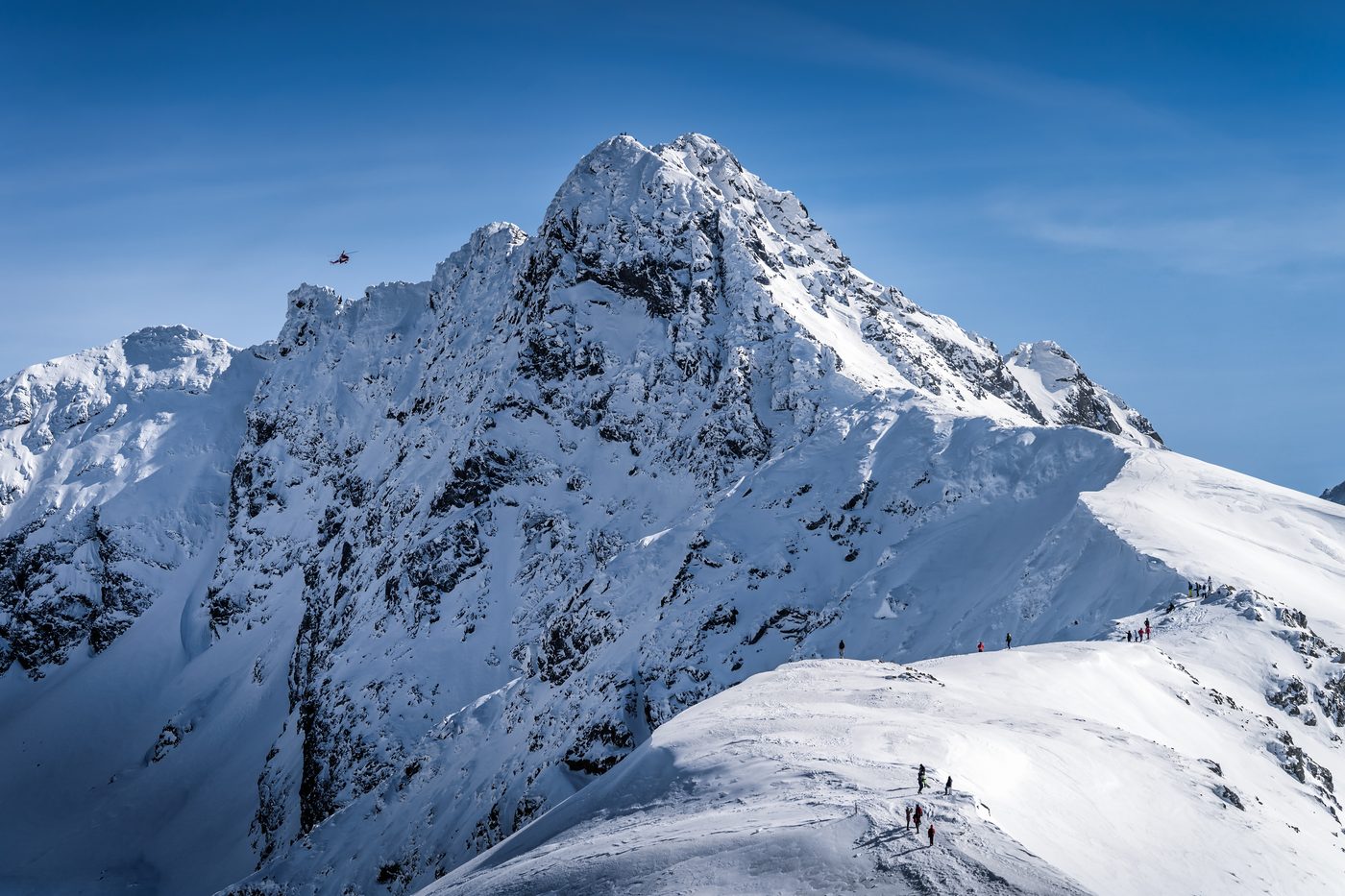
Krakauer wasn't reporting on this disaster from a safe distance - he was on the mountain, part of the guided expedition, and eight climbers died on the same day he summited and descended. What makes this account genuinely uncomfortable and valuable is that he includes his own mistakes and possible contributions to the chaos, rather than writing himself in as a neutral observer.
Present at the Disaster, Not Reporting From Outside It
Krakauer was on assignment for Outside magazine, climbing as a paying client with Rob Hall's guided expedition, when a sudden storm during the May 1996 summit push killed eight climbers across multiple expeditions in a single day. His position as an actual participant, not a journalist arriving afterward, gives the book a level of detailed, lived specificity that secondhand reporting couldn't match - and also means he's implicated in the very events he's narrating.
The Original Magazine Assignment That Preceded the Book
Krakauer initially wrote a shorter account of the disaster as a magazine feature for Outside within weeks of the events, and later found that piece contained errors born of writing too soon after profound trauma; the full book represents a more extensive, corrected reckoning written with additional time, distance, and interviews with other survivors, and Krakauer is direct about this evolution and the specific corrections he made.
Commercial Guiding as the Book's Real Underlying Subject
Beyond the immediate disaster narrative, the book functions as a serious examination of the relatively new commercial guided-climbing industry on Everest, questioning whether paying clients with limited high-altitude experience should be brought to the mountain's most dangerous zones at all, and what obligations guides owe clients versus the reverse. This structural critique gives the book weight beyond a straightforward survival narrative.
The Physiology of High-Altitude Decision-Making
The book spends real, specific attention on the physiological effects of extreme altitude on human cognition - oxygen deprivation's documented impact on judgment, risk assessment, and memory - which becomes essential context for understanding why experienced climbers made decisions during the disaster that seem inexplicable at sea level. This physiological grounding adds genuine explanatory weight beyond simple narrative account of what happened.
Krakauer's Uncomfortable Self-Implication
Unusually for disaster narrative, Krakauer directly examines whether his own actions - including a possible miscommunication about oxygen supplies - may have contributed to the confusion that led to further deaths, and he doesn't resolve this ambiguity in his own favor. This willingness to sit with genuine uncertainty about his own culpability is part of what distinguishes the book from more comfortable survivor narratives.
Multiple Expeditions, Genuinely Difficult to Track
Because several different guided expeditions were on the mountain simultaneously during the disaster, the book involves tracking a genuinely large cast of climbers, guides, and Sherpas across confusing, overlapping timelines during the storm itself. This is a real reading challenge worth knowing about going in - some readers benefit from keeping notes on who's who during the climactic chapters.
The Sherpas' Essential, Often Underrecognized Role
The book gives real, specific attention to the Sherpa climbers whose expertise and physical labor make commercial Everest expeditions possible at all, documenting both their remarkable skill under the same deadly conditions and the broader, systemic underrecognition of their essential role in an industry largely built around Western clients' summit ambitions.
The Controversy With Other Survivor Accounts
Krakauer's version of events, particularly regarding guide Anatoli Boukreev's decisions during the disaster, was publicly disputed by Boukreev himself in a competing book, and readers interested in the full picture benefit from knowing this account is one credible but contested perspective among several from survivors who experienced the same chaotic, low-visibility events differently.
Long-Term Psychological Aftermath, Addressed Directly
Krakauer is candid about the lasting psychological toll the disaster took on him personally in the years following, including guilt and what he describes in terms consistent with trauma response, which adds an honest coda to the book beyond the immediate narrative of the climb and its aftermath.
Who Should Read This
Readers interested in survival narrative that includes genuine self-scrutiny rather than comfortable heroism, anyone curious about the ethics of commercial high-altitude guiding, and readers who appreciate firsthand reporting that acknowledges its own limitations and possible errors.
Pros and Cons
Pros:
- Krakauer's willingness to examine his own possible mistakes gives the account real credibility
- Substantive critique of commercial guided climbing beyond just the disaster narrative
- Detailed, lived specificity from an actual participant rather than secondhand reporting
- Gripping, well-paced writing despite the genuinely large cast and complex timeline
Cons:
- Tracking multiple expeditions and climbers during the storm chapters is genuinely difficult
- Krakauer's account is contested by other survivors, notably Anatoli Boukreev, and shouldn't be read as the sole authoritative version
Frequently Asked Questions
Is this the definitive account of the 1996 Everest disaster?
It's one credible, detailed firsthand account, but it's contested on some specifics by other survivors, notably guide Anatoli Boukreev - worth reading alongside other perspectives for the full picture.
Do I need mountaineering knowledge to follow this book?
No, Krakauer explains the technical and logistical context clearly, though the large cast of climbers during the storm chapters requires attention to track.
Did Krakauer write about this disaster before the book?
Yes - a shorter magazine account for Outside within weeks of the events, which he later found contained errors from writing too soon; the book is a more extensive, corrected reckoning.
Does the book address the Sherpa climbers' role?
Yes - it gives real attention to their essential expertise and labor, and to the broader underrecognition of their role in an industry built around Western clients' summit ambitions.
Final Verdict
What makes this more than a gripping survival story is Krakauer's discomfort with his own possible role in the tragedy - that honesty is rarer in disaster narrative than it should be, and it's what makes this account hold up.
Rating: 9.3/10