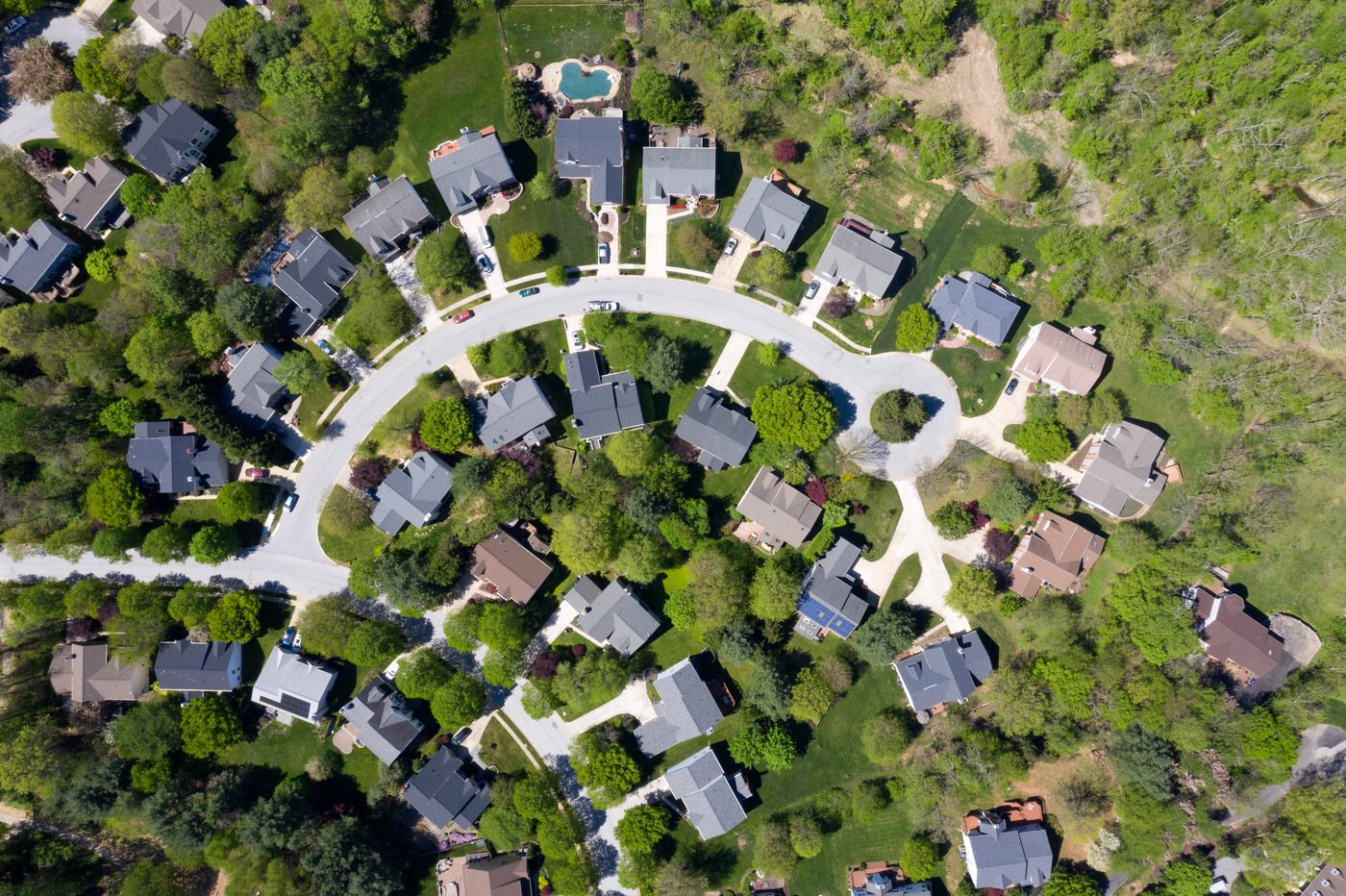
Ng sets this novel in a real, meticulously planned Ohio suburb - Shaker Heights, where she herself grew up - and uses a contentious custody battle over an adopted baby to expose how much careful, deliberate planning the community's surface order actually requires, and how quickly it can fracture under real moral disagreement.
Shaker Heights as a Real, Deliberately Planned Community
The novel's setting is a genuine planned suburb with an actual documented history of deliberate, comprehensive community design - down to specific architectural and social planning choices - and Ng, who grew up there, uses this real specificity to ground the novel's examination of engineered order and its limits.
A Custody Battle Exposing Genuine, Unresolvable Moral Complexity
The central legal conflict, over whether a Chinese American baby should remain with the white family who adopted her or return to her birth mother, is rendered by Ng with genuine moral complexity on multiple sides, refusing to let readers settle into simple certainty about who deserves to win.
Elena Richardson's Rigid Order as Both Protection and Constraint
The Richardson family matriarch's careful adherence to rules and community expectations is rendered with genuine ambivalence - it provides real stability and protection while also constraining and, eventually, actively harming those who don't fit neatly within its boundaries.
Mia Warren as a Deliberate Disruptive Counterforce
The itinerant artist Mia Warren, who rents from the Richardsons and whose unconventional life directly challenges the community's careful order, is rendered with genuine depth and her own specific, gradually revealed history, avoiding a simple free-spirit-versus-conformist framing.
Teenage Characters Given Genuine Individual Complexity
The Richardson children and Mia's daughter Pearl are each given specific, distinct personalities and struggles beyond their function in the adults' larger conflicts, giving the novel's teenage storylines real independent weight alongside the central custody battle.
Class and Race Rendered With Specific, Grounded Tension
Beyond the central custody plot, the novel examines specific class and racial tensions within the community with genuine grounded detail, refusing to let Shaker Heights's progressive reputation obscure real, persistent inequities and blind spots.
A Structure That Opens With the Fire and Then Traces Its Causes
The novel opens with the literal fires of its title already burning, then moves backward to trace the specific accumulated tensions and choices that led there, a structural choice that builds sustained dramatic irony as readers watch events converge toward the known opening.
Motherhood Examined From Multiple, Genuinely Different Angles
The novel examines motherhood through several distinct lenses - biological, adoptive, chosen, reluctant - giving its central themes real range rather than advocating for one single correct model of what constitutes legitimate maternal claim or care.
An Ending That Refuses to Simply Vindicate Either Side
Without spoiling the specific final events, the novel's conclusion avoids simply vindicating either the Richardsons' order or Mia's disruption, staying consistent with its larger commitment to genuine moral complexity rather than a clean resolution favoring one worldview.
Who Should Read This
Readers interested in a novel that renders genuine moral complexity around a contentious custody battle rather than clear right and wrong, anyone drawn to a real planned community's carefully engineered order examined for its costs, and readers who appreciate motherhood explored from several genuinely different angles.
Pros and Cons
Pros:
- Grounds its setting in Shaker Heights's real, documented history of deliberate community planning
- Renders its central custody conflict with genuine moral complexity on multiple sides
- Gives teenage characters real independent depth beyond their function in the adults' central conflict
- Examines motherhood through several genuinely distinct lenses rather than one favored model
Cons:
- The structural choice to reveal the ending's fire upfront reduces some plot suspense for readers who prefer surprise
- Genuine moral complexity throughout means the novel resists offering readers a clear side to root for
Frequently Asked Questions
Is Shaker Heights a real place?
Yes - it's a genuine, deliberately planned Ohio suburb with documented history, and Ng, who grew up there, grounds the novel's setting in real specificity.
Does the novel take a clear side in the custody battle?
No - it renders the conflict with genuine moral complexity on multiple sides, refusing to let readers settle into simple certainty about who should win.
Why does the novel open with the fire already happening?
It's a deliberate structural choice that builds sustained dramatic irony, letting readers watch the accumulated tensions converge toward the known outcome.
Does the novel favor one type of motherhood as more legitimate?
No - it examines motherhood through several distinct lenses, giving the theme real range rather than advocating for one single correct model.
Final Verdict
Ng grounds a genuinely morally complex custody battle in the real, documented history of a deliberately planned suburb, using the conflict to expose exactly how much careful engineering community order actually requires - and how fragile it proves under real disagreement.
Rating: 8.9/10