Laura Ingalls Wilder began writing the Little House books in her sixties, drawing directly on her own childhood memories of her family's westward migration and settlement across the American frontier during the late nineteenth century, and this direct, lived source material gives the resulting novels a level of specific, credible practical detail about frontier survival that purely imagined pioneer fiction rarely achieves. Little House on the Prairie, the third book in the series, follows the Ingalls family's journey by covered wagon to Kansas and their attempt to build a homestead on land that, as later events in the novel reveal, was not actually legally available for settlement, offering both a warmly rendered account of frontier family life and, when read with contemporary historical awareness, a genuinely useful window into the specific mechanics and real costs of American westward expansion.
Autobiographical Roots Grounding Genuine Practical Detail
Wilder's direct childhood experience of frontier settlement gives the novel's practical detail about building a log cabin, managing livestock, preserving food, and surviving harsh weather genuine specificity and credibility that purely researched or imagined pioneer fiction typically cannot match, offering readers an unusually concrete sense of the actual daily mechanics of frontier survival.
Pa Ingalls as an Idealized but Specific Figure
Charles Ingalls, rendered throughout the novel with genuine warmth and specific practical competence, embodies a particular vision of frontier self-reliance and resourcefulness, and while later critical readings have noted the character's idealization, Wilder grounds this idealization in enough specific, credible practical detail to give the portrayal real narrative substance beyond simple hagiography.
Ma Ingalls and the Specific Labor of Frontier Domesticity
Caroline Ingalls's extensive domestic labor throughout the novel, rendered in genuine specific detail regarding food preservation, clothing production, and household management under frontier conditions, provides valuable insight into the significant, often underrepresented labor that sustained frontier settlement, giving the novel real documentary value alongside its narrative content.
The Family's Illegal Settlement and Its Complicated Legacy
The novel's later chapters reveal that the family's homestead was actually located on land reserved for the Osage Nation under federal treaty, requiring their eventual forced departure, and this plot development, while handled with the limitations typical of its 1930s publication era, provides an unusually direct acknowledgment within the original text itself of the legally and morally fraught nature of westward settlement.
Contemporary Critical Reassessment of Racial Content
The novel's portrayal of Native American characters and westward expansion more broadly has undergone significant critical reassessment in recent decades, with contemporary readers and scholars noting genuinely troubling stereotypical characterizations and a broader failure to adequately represent Osage perspective and experience, context important for understanding the novel's full historical and literary significance today.
Genuine Danger and Hardship Rendered Without Excessive Softening
Throughout the novel, the family faces genuine, specific dangers including illness, extreme weather, and material scarcity, and Wilder renders these hardships with enough concrete detail and real stakes to avoid romanticizing frontier life into simple adventure, instead conveying its genuine physical difficulty and precariousness.
Laura's Perspective as a Specific Child's-Eye View
The novel's narration through young Laura's perspective provides a specifically child-centered view of frontier experience, capturing both genuine wonder at the new landscape and specific childhood fears and confusions, giving the novel an emotional register distinct from a more purely adult historical or documentary account.
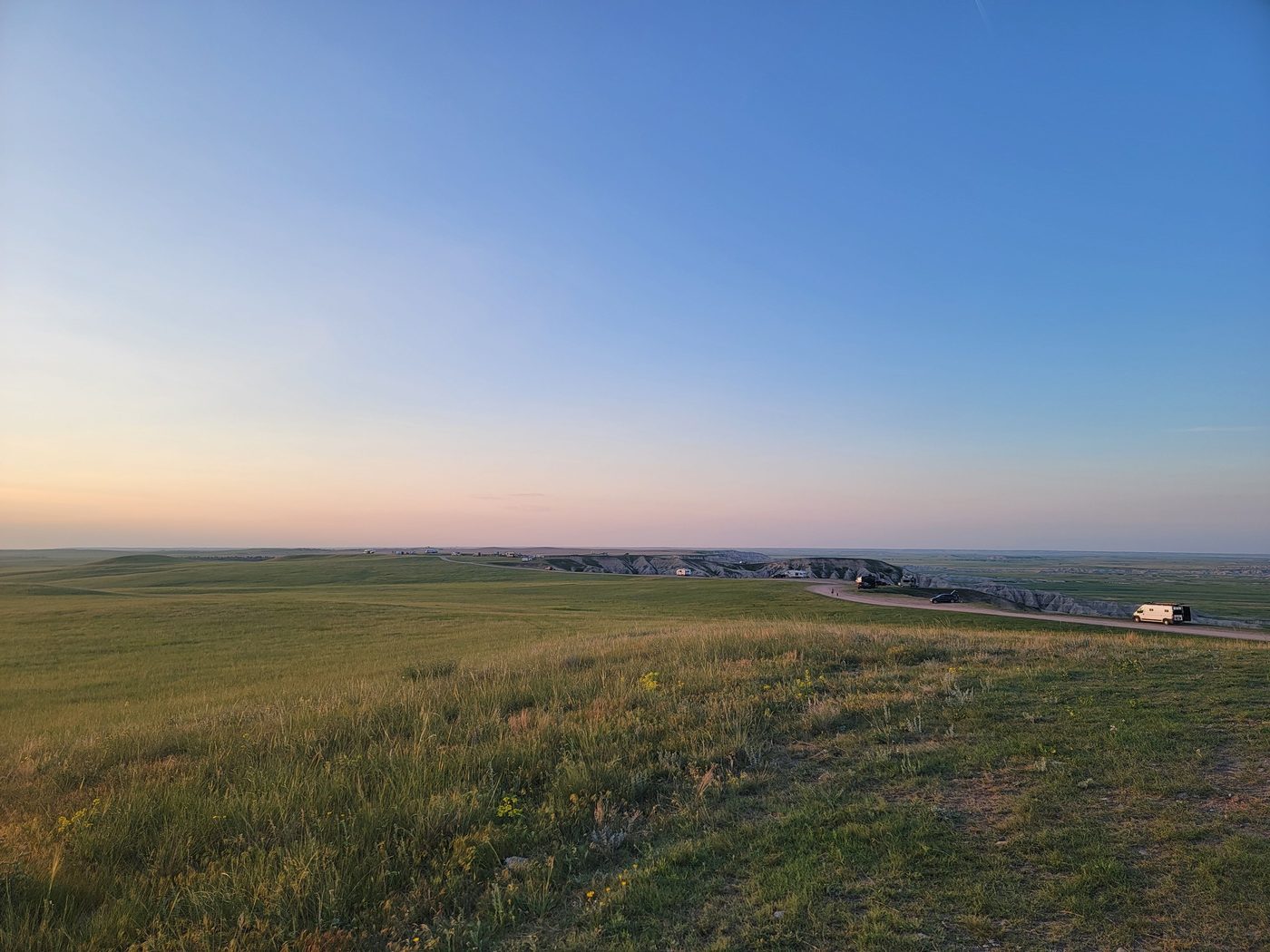
The Prairie Landscape as Vividly, Specifically Rendered Setting
Wilder's descriptions of the Kansas prairie landscape, including specific seasonal changes, wildlife, and weather patterns, are rendered with genuine sensory specificity drawn from direct childhood memory, giving the setting itself significant narrative and emotional weight beyond simple scenic backdrop.
A Text Requiring Contemporary Contextual Reading
Given its genuinely valuable historical and personal detail alongside its significant limitations regarding Native American representation, contemporary readers and educators increasingly approach the novel with additional historical context and critical framing, allowing its genuine narrative and documentary value to be appreciated alongside honest acknowledgment of its real limitations.
Why Little House on the Prairie Remains Significant, Complicated Reading
Little House on the Prairie's combination of genuinely valuable autobiographical detail about frontier settlement and its significant, now widely acknowledged limitations regarding Native American representation make it a genuinely complicated but still significant text, valuable both for its specific historical window into pioneer domestic life and as a case study in how historical fiction reflects the limitations and blind spots of its own era of composition.
Pros and Cons
Pros:
- Autobiographical roots give practical frontier survival detail genuine specificity and credibility
- Ma Ingalls's domestic labor is rendered with valuable, often underrepresented documentary detail
- Directly acknowledges within the original text the family's illegal settlement on reserved land
- Genuine hardship and danger are rendered without excessive romanticizing of frontier life
- Laura's child's-eye perspective provides a specific, emotionally distinct narrative register
Cons:
- Contains genuinely troubling stereotypical characterizations of Native American people
- Reflects significant limitations typical of its 1930s publication era regarding westward expansion
- Benefits from and increasingly requires additional historical context for contemporary reading
Frequently Asked Questions
Is this book based on the author's real life?
Yes, Laura Ingalls Wilder drew directly on her own childhood memories of frontier settlement, giving the novel genuine autobiographical grounding despite some fictionalized elements.
Does this book address its problematic content regarding Native Americans?
The original text itself doesn't fully reckon with this content by contemporary standards, and many educators now provide additional context when teaching or discussing the novel.
Is this appropriate for children today?
Many parents and educators continue to read it with children while providing additional historical context, given both its genuine value and its significant representational limitations.
Is this the first book in the series?
No, it's the third book chronologically, following Little House in the Big Woods and Farmer Boy, though it can be read as an introduction to the family's story.
Final Verdict
Little House on the Prairie remains significant, complicated reading precisely because Laura Ingalls Wilder's direct autobiographical grounding gives it genuinely valuable, specific detail about frontier domestic life and survival that purely imagined pioneer fiction cannot match, while its treatment of Native American characters reflects real limitations now widely and appropriately acknowledged. Read with honest historical context, the novel offers both genuine narrative warmth through Laura's child's-eye perspective and a valuable, if incomplete, window into the actual mechanics and real human costs of American westward expansion.
Rating: 4.7/10