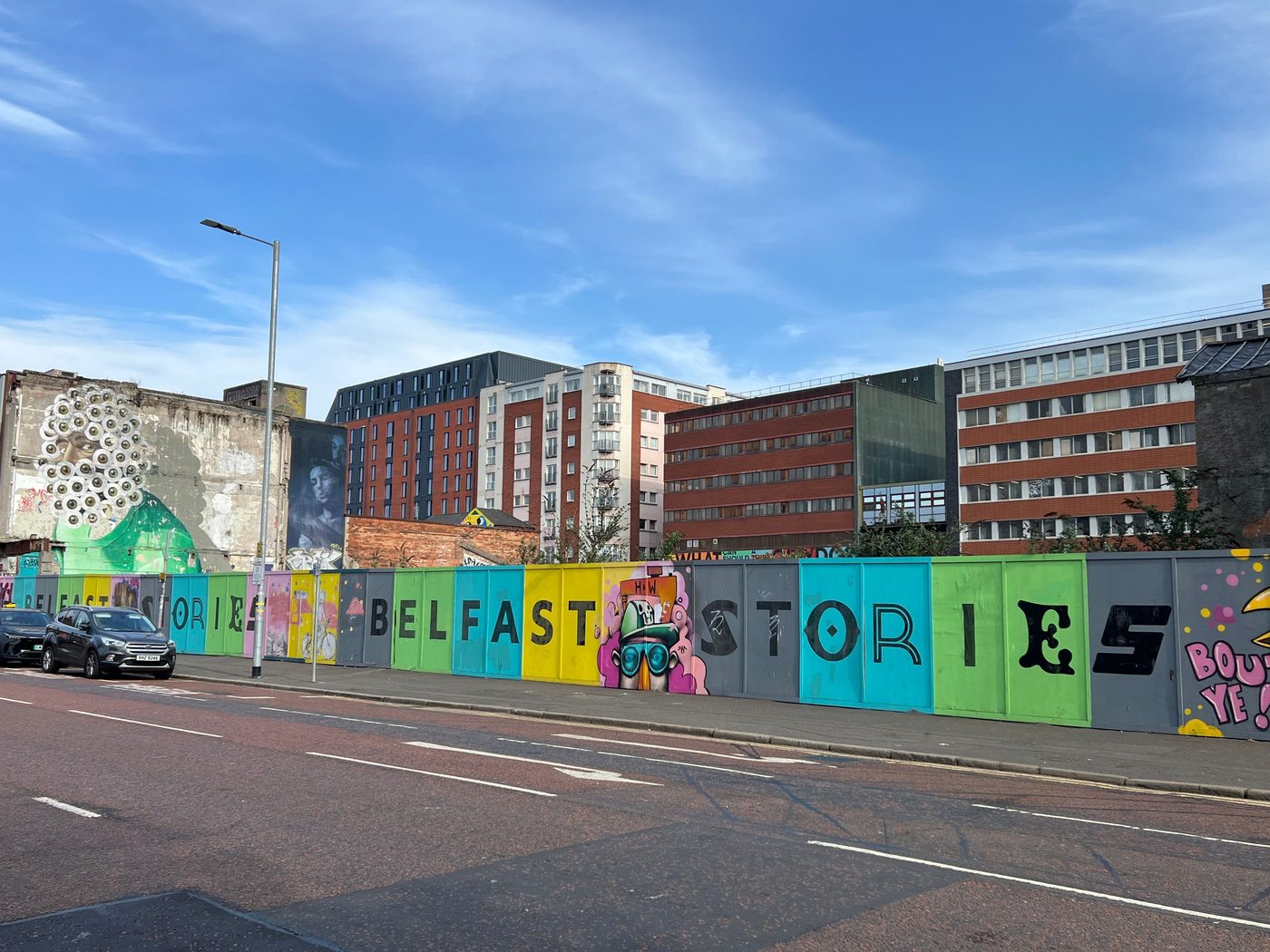
Anna Burns sets Milkman during the Troubles in an unnamed Northern Irish city, and her unnamed eighteen-year-old narrator, known only as middle sister, finds herself stalked by a much older, powerful paramilitary figure called only the milkman, whose unwanted attention, despite her explicit lack of encouragement, transforms her into an object of pervasive community suspicion and gossip regardless of her own actual behavior or consent. Burns's decision to withhold every character's proper name and every specific place name throughout the entire novel is not simply stylistic quirk but functions as direct formal enactment of the surveillance culture she depicts, a community so thoroughly organized around watching, reporting, and controlling women's behavior that individual identity itself becomes dangerous, replaced by generic relational labels that offer a kind of protective anonymity even as they strip away genuine individual selfhood.
Withheld Names as Direct Formal Enactment of Surveillance
Burns's refusal to name any character or place throughout the entire novel directly enacts the surveillance culture she depicts, since specific identity itself becomes dangerous within a community this thoroughly organized around watching, reporting, and controlling behavior.
The Milkman's Stalking as Genuine, Unwanted Coercion
The paramilitary figure's persistent, unwanted attention toward the narrator, despite her explicit lack of encouragement, provides the novel's central plot engine, and Burns renders this coercive stalking with genuine, unsettling specificity regarding power imbalance and implied threat.
Community Gossip as Its Own Form of Punishing Control
The pervasive community gossip and suspicion the narrator faces, entirely disconnected from her own actual consent or behavior, functions as its own genuine mechanism of control, examining how communities can punish women for attention they never sought or welcomed.
The Troubles as Pervasive, Inescapable Atmospheric Context
The historical Troubles conflict provides pervasive atmospheric context throughout the novel without ever being named directly or explained in conventional historical detail, and Burns renders this pervasive political violence as simply the unremarkable texture of everyday life for her characters.
Burns's Distinctive, Digressive Prose Style
The novel's prose style, characterized by long, digressive, run-on sentences and a narrator prone to extended tangential observation, represents a significant formal achievement, rendering the narrator's genuine psychological state through sustained stylistic choice rather than simple plot description.
Middle Sister's Habit of Reading While Walking as Community Suspicion
The narrator's habit of reading books while walking, itself rendered as suspicious and abnormal behavior by her surveillance-obsessed community, provides a pointed, specific illustration of how thoroughly this culture polices even entirely innocent individual behavior.
Maybe-Boyfriend as Genuine Relationship Complicated by Community Suspicion
The narrator's actual romantic relationship, with a character known only as maybe-boyfriend, becomes complicated and endangered by the community's suspicion regarding her supposed involvement with the milkman, demonstrating how thoroughly rumor could override genuine reality.
Dark Comedy Woven Through Genuinely Serious Political and Personal Stakes
Despite its serious subject matter, the novel incorporates genuine dark comedy throughout, particularly regarding the absurdities of the surveillance culture's specific rules and rumors, and Burns balances this comedy against the narrative's genuine underlying danger and stakes.
A Booker Prize-Winning Achievement in Formal Innovation
The novel's Booker Prize recognition reflects broad critical consensus regarding its achievement in using genuine formal innovation, the withheld names, the digressive prose style, to directly enact rather than merely describe its themes of surveillance and coercive control.
Why Milkman Remains a Landmark of Formally Innovative Political Fiction
Milkman endures as a landmark novel because Burns's withheld names and digressive prose style directly enact the surveillance culture she depicts, producing genuinely innovative political fiction that makes readers experience rather than simply observe the specific danger of losing individual identity under pervasive communal watching.
Pros and Cons
Pros:
- Withheld character and place names directly enact rather than merely describe surveillance culture
- Renders the milkman's coercive stalking with genuine, unsettling psychological specificity
- Examines how community gossip punishes women regardless of their own actual consent or behavior
- Distinctive digressive prose style achieves genuine psychological effect through sustained formal choice
- Balances genuine dark comedy against serious underlying political danger and stakes
Cons:
- The digressive, run-on prose style requires real adjustment and sustained patient attention
- Withheld names and places can make tracking the large cast of characters genuinely challenging
- Its unconventional formal approach has proven divisive, even among generally favorable critics
Frequently Asked Questions
Why doesn't the novel name any characters or places?
This is a deliberate formal choice that directly enacts the surveillance culture the novel depicts, where specific identity itself becomes dangerous.
Did this novel win any major awards?
Yes, it won the Booker Prize, a significant recognition for its formal innovation.
Is this book set during a specific historical conflict?
It's set during the Troubles in Northern Ireland, though the conflict is never named directly, rendered instead as pervasive atmospheric context.
Is this a difficult book to read stylistically?
Yes, its long, digressive sentences and withheld names require real adjustment, though many readers find the style becomes intuitive with sustained attention.
Final Verdict
Milkman earns its landmark status through Anna Burns's genuinely innovative formal choice to withhold every character and place name, directly enacting the pervasive surveillance culture her unnamed narrator navigates during the Troubles. The milkman's unsettling coercive stalking and the community's punishing gossip give the novel real, uncomfortable political and psychological weight. Its Booker Prize recognition confirms a genuine achievement in making readers experience rather than simply observe the specific danger of losing individual identity under constant communal watching.
Rating: 3.7/10