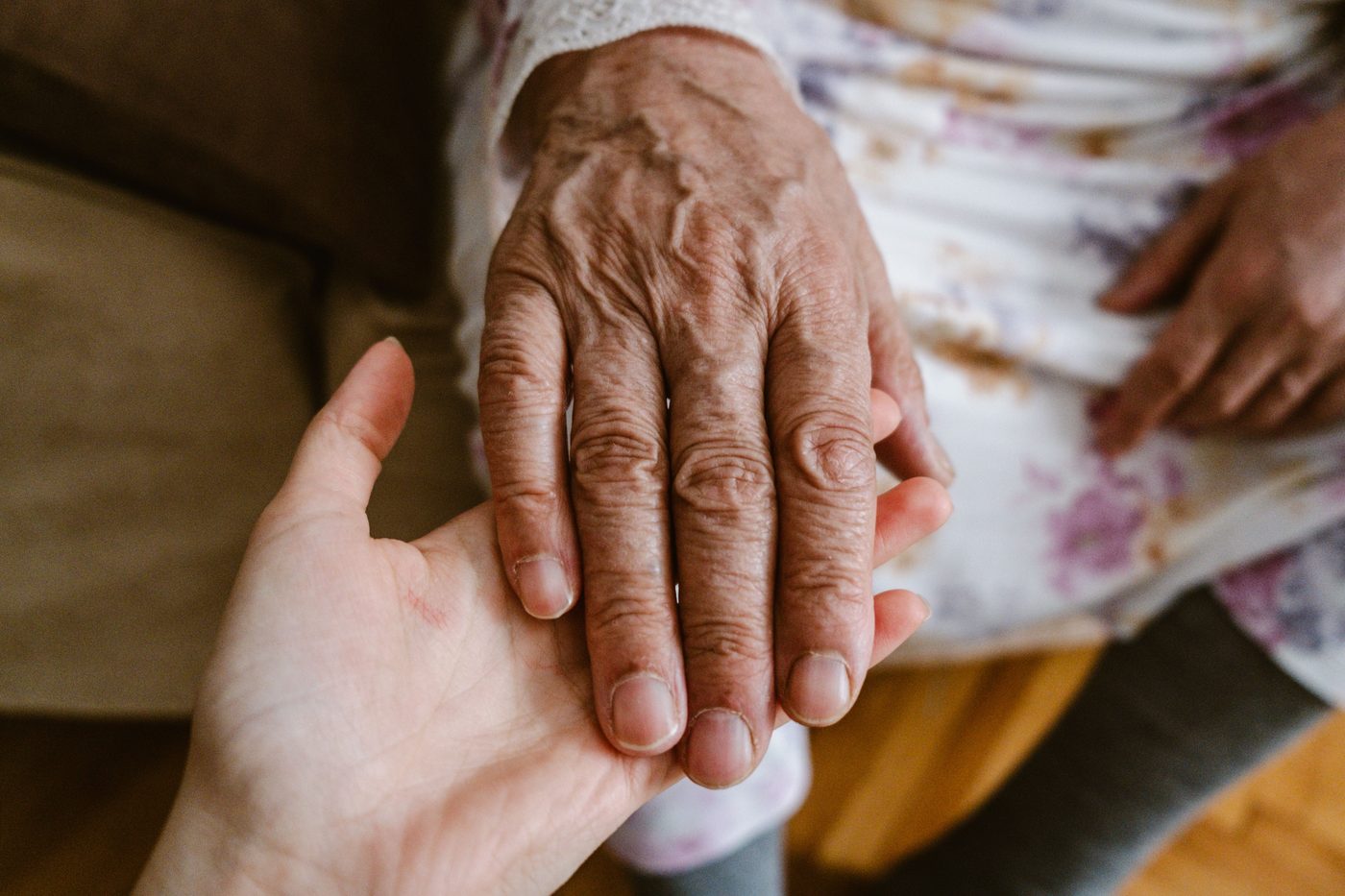
Resmaa Menakem, drawing on his clinical training in body-centered psychology alongside his own family history, wrote My Grandmother's Hands to make a specific argument that talk-based approaches to racialized trauma frequently miss: that this trauma is held not just in memory or belief but physically in the body, passed down across generations through the nervous system, and that lasting healing therefore requires body-centered practice alongside any cognitive or conversational work. The book is structured to speak directly and separately to African American readers, white readers, and readers in law enforcement, offering each group specific somatic exercises for recognizing and beginning to release trauma patterns Menakem argues are held in strikingly similar physical ways across these different groups, even as their origins and expressions differ.
Racialized Trauma Held Physically in the Body Across Generations
Menakem's central argument, that racialized trauma is held physically in the body and passed down across generations through the nervous system, extends trauma theory specifically into racial history in a way many prior treatments had not fully addressed.
Body-Centered Practice as Necessary Complement to Cognitive Work
The book insists that body-centered practice must complement, not simply follow, cognitive and conversational approaches to trauma, arguing that talk alone frequently fails to reach trauma patterns held at a physical, nervous-system level.
Structured to Speak Directly to Three Distinct Reader Groups
The book's structure, addressing African American readers, white readers, and law enforcement readers in distinct sections, gives each group specific, tailored guidance rather than a single generic treatment assumed to apply identically to all readers.
Specific Somatic Exercises for Recognizing Held Trauma Patterns
Throughout each section, Menakem provides specific somatic exercises designed to help readers recognize trauma patterns held physically in their own bodies, giving the book's theoretical argument direct, practical application.
Grounded in Clinical Training in Body-Centered Psychology
Menakem's clinical training in body-centered psychology grounds the book's specific techniques, giving readers exercises developed through genuine therapeutic practice rather than purely theoretical construction.
Addressing Law Enforcement as a Distinct Audience With Its Own Trauma Patterns
The book's direct address to law enforcement readers, examining trauma patterns specific to that role, represents a genuinely distinctive inclusion, extending the book's framework beyond a more conventional victim-and-perpetrator binary.
Historical Context Connecting Present Patterns to Documented Past Trauma
Menakem provides historical context connecting present-day trauma patterns to documented past trauma, giving readers grounding for understanding why these patterns persist across generations rather than simply asserting the connection.
Community and Collective Healing Alongside Individual Practice
Beyond individual somatic exercise, the book addresses community and collective healing dimensions, recognizing that racialized trauma operates at a scale individual practice alone cannot fully address.
Accessible Prose Addressing Genuinely Difficult Historical and Present Material
Despite addressing genuinely difficult historical and present-day material, Menakem's prose remains accessible throughout, guiding readers through difficult content without either minimizing it or making it inaccessible.
Why My Grandmother's Hands Remains an Influential Trauma and Racial Healing Text
My Grandmother's Hands endures as an influential book because Menakem's extension of body-centered trauma theory specifically into racialized history, paired with distinct practical guidance for different reader groups, gives readers genuinely new tools for addressing trauma patterns that talk-based approaches alone have often failed to fully reach.
Pros and Cons
Pros:
- Extends body-centered trauma theory specifically and substantively into racialized history
- Structured to speak directly and distinctly to African American, white, and law enforcement readers
- Provides specific somatic exercises grounded in genuine clinical body-centered practice
- Connects present-day trauma patterns to documented historical context rather than asserting it alone
- Addresses community and collective healing alongside individual somatic practice
Cons:
- Addresses genuinely difficult historical and present-day material requiring emotional readiness
- The somatic exercises benefit from sustained practice rather than a single reading
- Some readers may want additional professional support alongside the book's self-guided exercises
Frequently Asked Questions
Is this book only for one racial group?
No, it's structured to speak directly to African American readers, white readers, and law enforcement readers, each with tailored guidance.
Do I need a background in psychology to use this book?
No, it's written for general readers, though it introduces genuinely substantive body-centered psychological concepts.
Is this book primarily historical or practical?
It combines both, providing historical context alongside specific somatic exercises for practical application.
Is this considered an influential book on trauma and racial healing?
Yes, it's widely regarded as an influential and distinctive contribution to trauma-informed and racial healing literature.
Final Verdict
My Grandmother's Hands earns its influence through Resmaa Menakem's extension of body-centered trauma theory specifically into racialized history, arguing convincingly that this trauma lives physically in the body and requires somatic practice alongside any cognitive work to genuinely heal. Its structure, addressing African American, white, and law enforcement readers with distinct, tailored guidance, gives the book a genuinely inclusive scope rare in trauma literature. For readers ready to engage with difficult historical and present material, this book offers both context and concrete practice for a kind of healing talk alone often can't reach.
Rating: 4.8/10