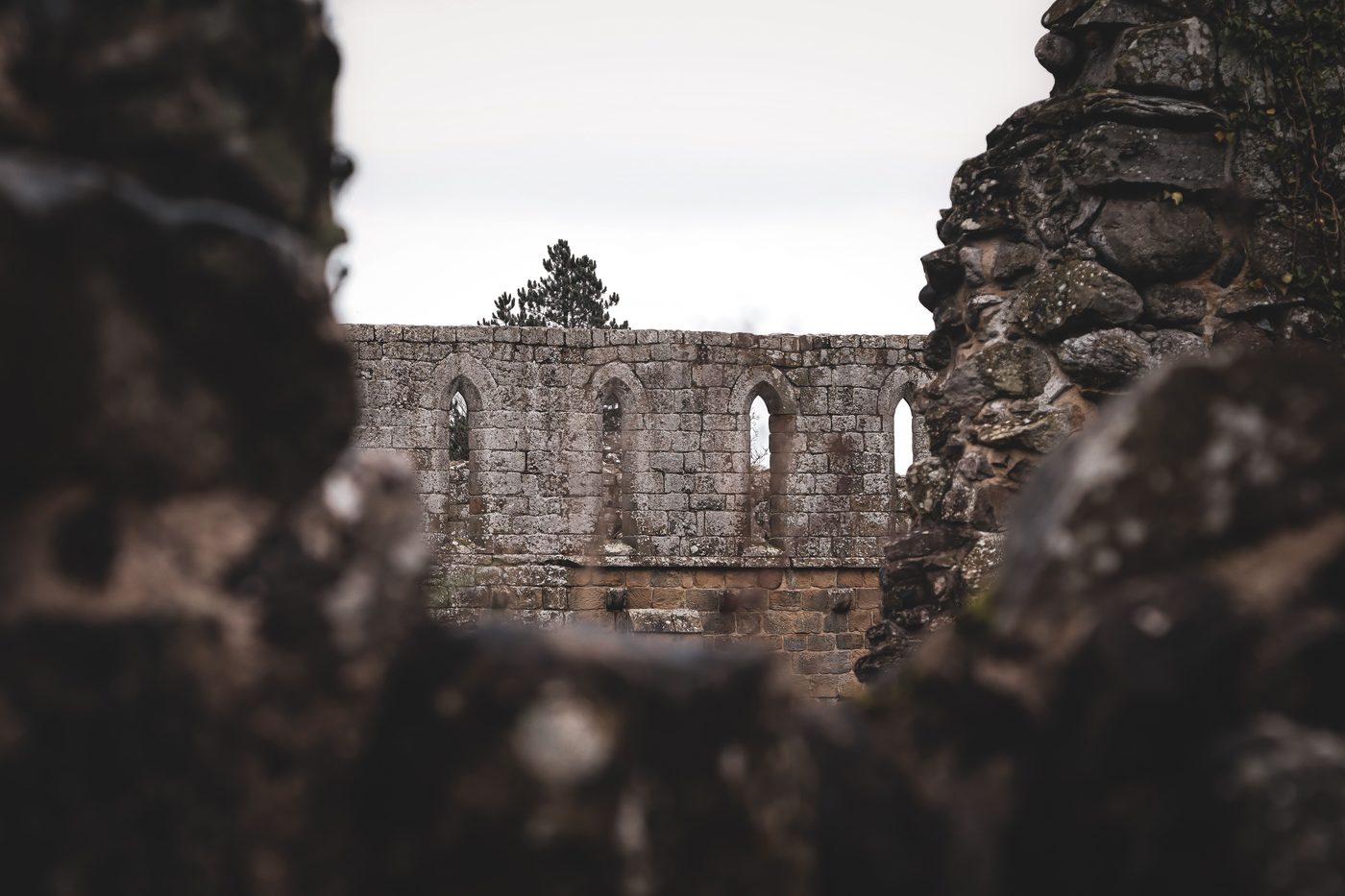
The Name of the Rose accomplishes something genuinely rare, functioning simultaneously as a genuinely gripping medieval murder mystery, following Franciscan monk William of Baskerville and his young novice Adso as they investigate a series of increasingly disturbing deaths at a wealthy Italian monastery in 1327, and as a genuinely serious work of philosophical and semiotic inquiry, reflecting Umberto Eco's actual academic background as a professor of semiotics whose scholarly expertise in signs, symbols, and interpretation shapes the novel's deeper concerns well beyond its surface plot mechanics. Eco builds the mystery around the monastery's genuinely extraordinary library, a labyrinthine structure deliberately designed to be difficult to navigate and containing a specific forbidden book the monastery's authorities have gone to genuinely extreme lengths to keep hidden, and as William's investigation gradually uncovers the specific reasons behind the killings, the novel opens onto genuinely substantial historical and philosophical territory, including serious medieval debates about religious authority, the nature of laughter and its relationship to threatening established power, and competing approaches to biblical interpretation, giving readers both a satisfying genre mystery and considerably deeper intellectual engagement with genuinely significant historical and philosophical questions.
A Medieval Murder Mystery With Genuine Depth
Eco's genuine achievement combining a gripping medieval murder mystery with serious philosophical inquiry gives the novel distinctive dual appeal, functioning both as satisfying genre fiction and considerably deeper intellectual work.
William of Baskerville as Detective
The novel's central investigator, Franciscan monk William of Baskerville, whose sharp analytical reasoning echoes detective fiction conventions while remaining grounded in genuine medieval intellectual context, gives readers a distinctive, memorable protagonist.
The Labyrinthine Monastery Library
The monastery's genuinely extraordinary library, deliberately designed as a difficult-to-navigate labyrinth guarding a specific forbidden book, gives the novel its central physical setting and its most memorable, atmospheric symbolic space.
Eco's Genuine Academic Background in Semiotics
The author's real academic expertise as a professor of semiotics, the study of signs and symbols, shapes the novel's deeper concerns about interpretation and meaning well beyond its surface mystery plot mechanics.
Medieval Debates About Religious Authority
The novel's genuine engagement with serious medieval debates about religious authority and church power gives readers substantial historical and philosophical content grounded in real period intellectual controversies.
The Forbidden Book and Its Genuine Historical Stakes
The specific forbidden book at the mystery's center, and the extreme lengths monastery authorities take to keep it hidden, gives the plot genuine intellectual stakes connected to real historical anxieties about certain ideas' dangerous power.
Laughter and Its Relationship to Power
The novel's serious philosophical exploration of laughter's genuinely threatening relationship to established religious and political power offers one of its most intellectually distinctive and historically grounded thematic concerns.
A Genuinely Demanding, Rewarding Reading Experience
Readers should understand this is a genuinely demanding novel, combining dense historical and philosophical content with its mystery plot, rewarding patient, attentive reading rather than casual genre consumption.
Who Should Read This Book
The Name of the Rose is valuable for readers who enjoy mystery fiction with genuine intellectual depth, as well as anyone interested in medieval history, semiotics, and philosophy of religion specifically.
The Premium Hardcover Edition
This hardcover edition is well-produced and suited to a novel widely regarded as one of the more significant works of literary fiction combining genre mystery with serious philosophical inquiry, with binding quality appropriate for repeated reading.
Pros and Cons
Pros:
- Genuine dual achievement combining gripping mystery with serious philosophical and historical depth
- William of Baskerville offers a distinctive, memorable detective protagonist grounded in real medieval context
- The labyrinthine library gives the novel a genuinely memorable, atmospheric central symbolic setting
- Eco's real semiotics expertise gives the novel's deeper concerns about interpretation genuine intellectual grounding
- Substantial engagement with real medieval religious and philosophical debates gives the mystery genuine stakes
Cons:
- Genuinely demanding length and dense historical and philosophical content require sustained, patient reading
- Some medieval theological and historical references require background knowledge for full appreciation
- Readers seeking a purely fast-paced genre mystery may find the philosophical digressions slow the plot
Frequently Asked Questions
Is this book primarily a mystery, or a work of philosophy?
It genuinely combines both, functioning as a gripping medieval murder mystery while also engaging seriously with philosophy, semiotics, and medieval religious history.
Do I need background in medieval history to understand this book?
Some background helps with certain references, but Eco provides enough context that general readers can follow the central mystery and its broader intellectual themes.
Is the author a real academic expert?
Yes, Umberto Eco was a genuine professor of semiotics, and his scholarly expertise in signs and interpretation shapes the novel's deeper philosophical concerns.
Is this book difficult to read?
Yes, genuinely so in places, given its dense historical and philosophical content, though the central mystery plot provides a compelling narrative thread throughout.
Final Verdict
The Name of the Rose delivers Umberto Eco's genuinely rare dual achievement, a gripping medieval murder mystery combined with serious philosophical and semiotic inquiry, following a Franciscan monk's investigation through a monastery's labyrinthine forbidden library. Its substantial engagement with real medieval intellectual debates gives the mystery genuine depth and stakes. This premium hardcover is essential, demanding reading for anyone wanting genre fiction that rewards genuine intellectual engagement.
Rating: 8.9/10