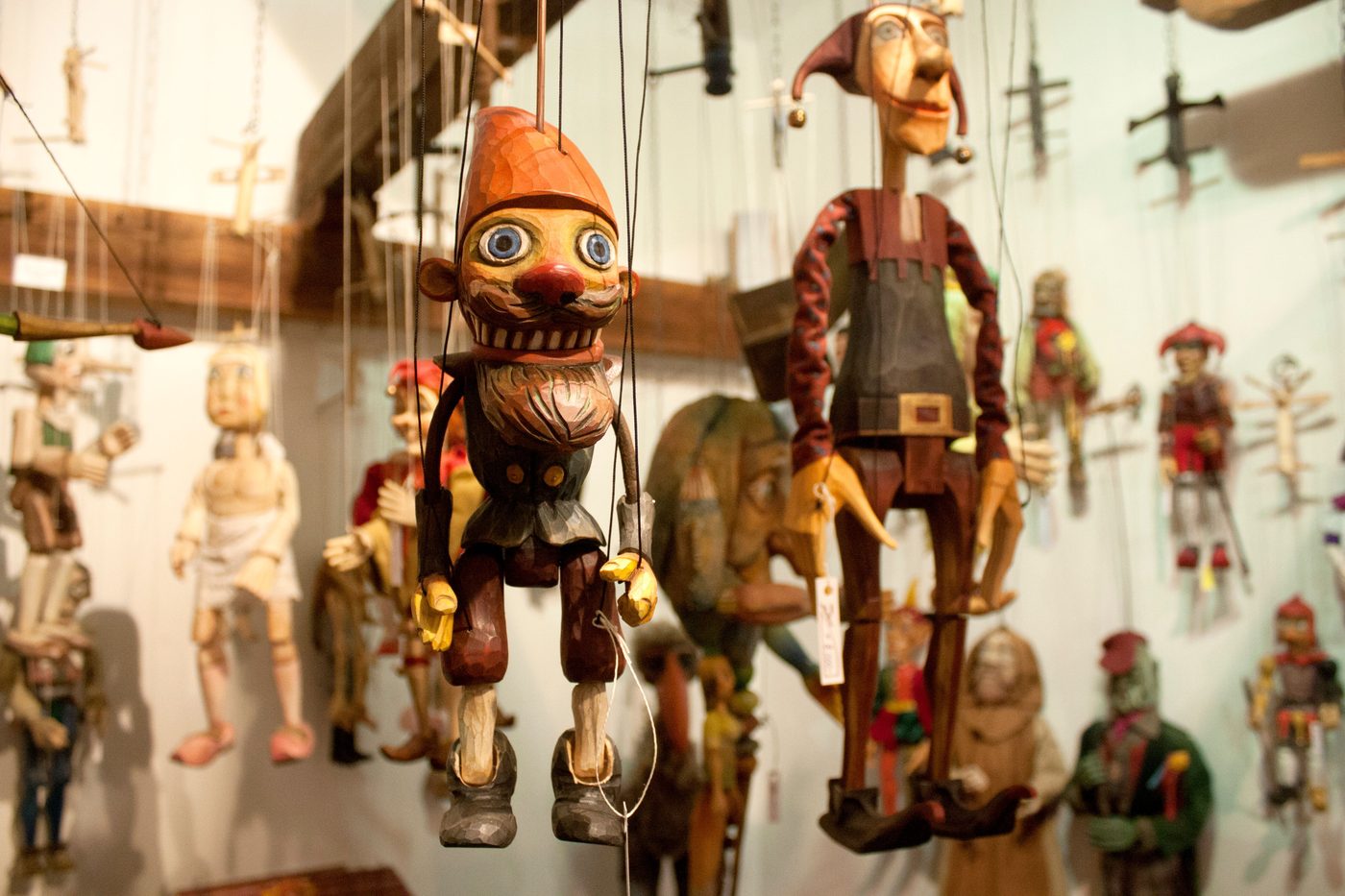
Carlo Collodi originally ended The Adventures of Pinocchio with his wooden protagonist's death by hanging, intending the serialized story to conclude as a cautionary tale about disobedience and moral failure, and only extended the narrative toward its now-famous transformation into a real boy after readers demanded Pinocchio's story continue. That origin tells you something important about the novel's actual character: considerably darker, more morally punishing, and less sentimentally warm than the popular cartoon adaptation most readers know it through. Following Pinocchio through a repeated cycle of poor decisions, genuine consequences, and incremental moral growth, Collodi's original novel offers a more complicated, sometimes genuinely unsettling meditation on disobedience, temptation, and the difficult, non-linear process of actually becoming a better person.
A Story That Nearly Ended in Death
Collodi's original serialized version concluded with Pinocchio's execution by hanging at the hands of the Fox and the Cat, a genuinely dark ending reflecting the story's origins as a moralistic cautionary tale, and only reader demand for continuation prompted Collodi to extend the narrative toward the more redemptive arc now associated with the character.
Pinocchio as a Genuinely Flawed, Frustrating Protagonist
Unlike a more straightforwardly sympathetic child protagonist, Pinocchio is rendered throughout the novel as genuinely impulsive, easily tempted, and repeatedly disobedient despite direct warning and consequence, and Collodi resists softening these flaws, instead using Pinocchio's frustrating cycle of poor decisions to construct a genuinely earned, incremental moral development rather than a simple, sudden transformation.
Geppetto's Genuine Sacrifice and Devotion
Pinocchio's creator and father figure Geppetto is portrayed with genuine warmth and sacrifice, including selling his own coat to buy Pinocchio a school primer, and this concrete, specific act of paternal devotion amid genuine poverty establishes real emotional stakes for Pinocchio's repeated failures to live up to the trust and sacrifice his father has extended him.
The Talking Cricket as Conscience and Cautionary Figure
The talking cricket who attempts to guide Pinocchio toward better choices, killed early in the original serialized version before being somewhat inconsistently revived for the extended narrative, functions as an externalized conscience figure whose warnings Pinocchio repeatedly ignores, establishing a recurring pattern of ignored wisdom followed by genuine, often severe consequence that structures much of the novel.
The Land of Toys and Its Genuinely Disturbing Transformation
One of the novel's most unsettling sequences involves Pinocchio and his friend Lampwick's visit to the Land of Toys, an ostensibly consequence-free paradise of pure play and indulgence that gradually, horrifyingly transforms the boys who stay there into literal donkeys, providing a genuinely dark, visceral illustration of the novel's consistent moral argument about the real cost of avoiding responsibility and discipline.
Repeated Cycles of Temptation and Consequence
Throughout the novel, Pinocchio faces a repeated structural pattern of temptation, poor choice, and genuine consequence, including his manipulation by the Fox and the Cat, his encounters with various exploitative adult figures, and his repeated failures to follow through on stated intentions to reform, and this repetitive structure reinforces the novel's argument that moral growth is genuinely difficult and non-linear rather than achieved through a single transformative moment.
The Blue-Haired Fairy as Guide and Genuine Authority
The fairy with turquoise hair who repeatedly rescues and guides Pinocchio throughout the novel provides consistent moral authority and genuine care, though Collodi is careful to show that even her guidance and forgiveness cannot substitute for Pinocchio's own eventual, hard-won internal choice to actually change his behavior.
Physical Transformation as Direct Consequence of Moral Failure
Collodi consistently links Pinocchio's physical transformations, including his nose growing when he lies and his transformation into a donkey following irresponsible indulgence, directly to his moral choices, using physical metaphor to render abstract questions of honesty and responsibility in vivid, concrete, and immediately comprehensible terms for young readers.
A Genuinely Earned Final Transformation
Pinocchio's eventual transformation into a real boy, following his selfless rescue of Geppetto from inside a giant fish and Collodi's rendering of his accumulated, hard-won moral growth, feels earned specifically because of the extended, genuinely difficult cycle of failure and consequence that precedes it, distinguishing this resolution from a simple wish-fulfillment ending.
Why the Original Pinocchio Rewards Rediscovery
Readers who know Pinocchio primarily through simplified, warmer adaptations often find the original novel considerably darker, morally sterner, and more genuinely complicated than expected, and this rediscovery reveals a work more interested in the real difficulty of moral growth than in simple childhood whimsy, giving the original text lasting value well beyond its more famous, softened cultural adaptations.
Pros and Cons
Pros:
- Original ending reveals a genuinely darker, more morally serious work than popular adaptations suggest
- Pinocchio's flaws are rendered honestly, building genuinely earned rather than sudden moral growth
- The Land of Toys sequence offers a viscerally effective illustration of consequence and responsibility
- Physical transformations render abstract moral questions in vivid, concrete terms for young readers
- Final transformation feels genuinely earned through the extended, difficult cycle preceding it
Cons:
- Considerably darker and more morally punishing than the popular cartoon adaptation
- Episodic, repetitive structure of temptation and consequence may feel repetitive to some readers
- Some period-specific Italian cultural and social context requires background knowledge
Frequently Asked Questions
Is this book the same as the popular animated film?
No, the original novel is considerably darker and more morally severe than most popular adaptations, including a much different overall tone and additional disturbing content.
Is this book appropriate for young children?
It contains genuinely dark and unsettling content, including the Land of Toys transformation sequence, making it best suited for slightly older children or shared reading with adult guidance.
Why did Collodi almost end the story with Pinocchio's death?
The novel began as a serialized morality tale, and Collodi originally intended a dark cautionary ending before reader demand prompted him to extend the narrative toward eventual redemption.
What does Pinocchio's nose growing actually symbolize?
It serves as a vivid, concrete physical metaphor for dishonesty, making an abstract moral concept immediately visible and comprehensible for young readers.
Final Verdict
The Adventures of Pinocchio rewards rediscovery precisely because Carlo Collodi's original novel is considerably darker and more morally serious than the warm, sentimental adaptations most readers know. Pinocchio's genuinely frustrating cycle of temptation, poor choice, and real consequence builds toward a final transformation that feels earned rather than simply granted, and unsettling sequences like the Land of Toys give the novel's moral arguments real visceral weight. For readers expecting only childhood whimsy, the original text offers something considerably stranger and more substantial.
Rating: 4.5/10