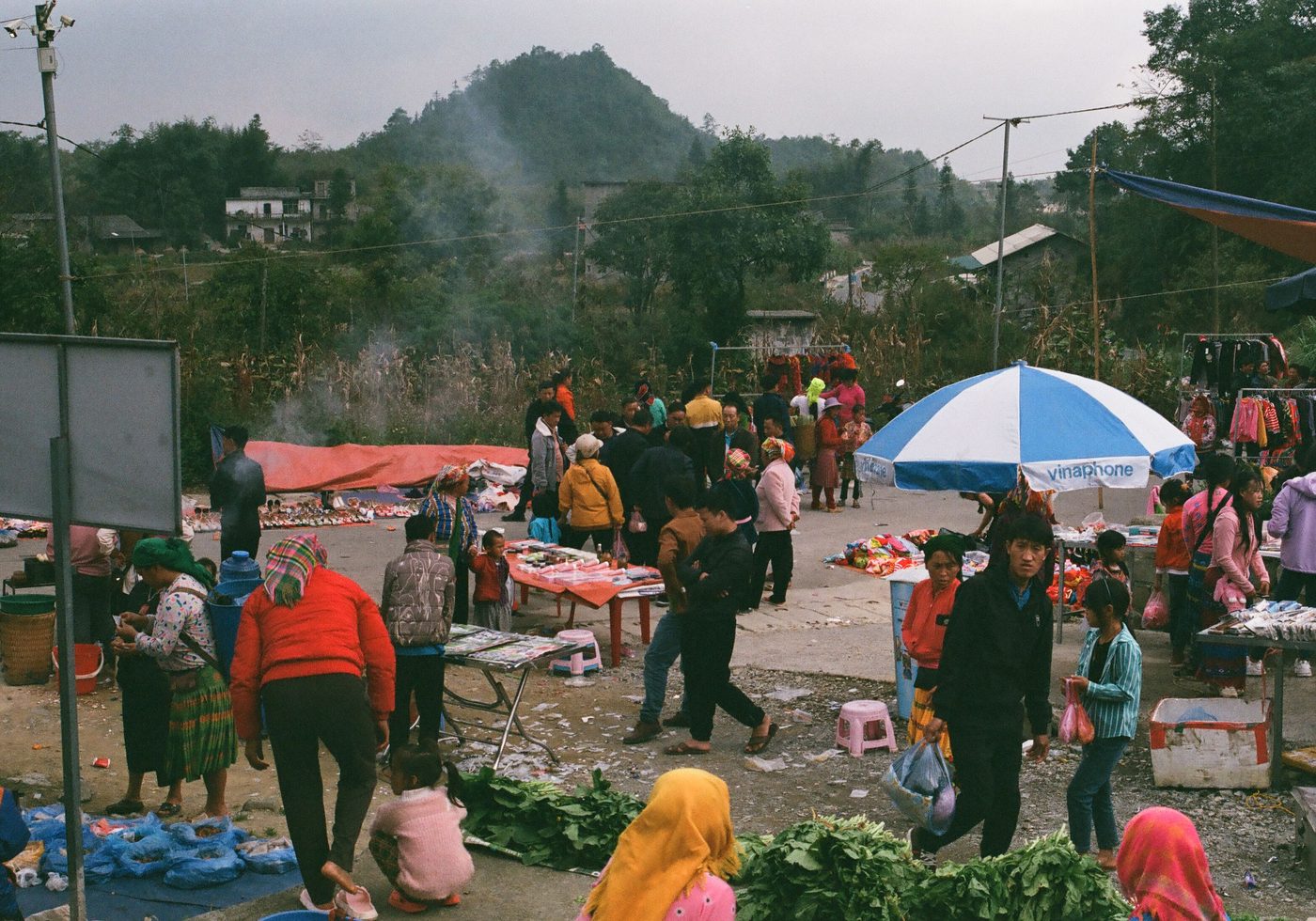
Poor Economics arrives as a genuinely rigorous corrective to decades of sweeping, often ideologically driven debate about global poverty, built by Abhijit Banerjee and Esther Duflo, economists who would later share the Nobel Prize partly for pioneering the use of randomized controlled field experiments in development economics, on the premise that the big, abstract questions typically asked about poverty, does foreign aid work, does capitalism lift people out of poverty, are often less useful than granular, specific questions about how poor households actually make decisions about health, education, savings, and business investment in their real daily circumstances. Banerjee and Duflo draw on genuinely extensive field research and rigorous randomized controlled trials conducted across multiple developing countries to challenge comfortable assumptions held by both political camps, showing through specific, concrete evidence that poor households often make decisions that appear irrational from a distance but reflect genuinely reasonable responses to the particular constraints, risks, and limited information they actually face, and the book builds toward a case for narrower, more rigorously evidence-based interventions over sweeping ideological solutions from either the political left or right.
Rejecting Sweeping Ideological Theories About Poverty
Banerjee and Duflo's foundational methodological stance, rejecting both left-wing and right-wing sweeping theories about poverty's causes and solutions in favor of granular, specific, evidence-based questions, gives the book its genuinely distinctive intellectual approach compared to more ideologically driven development economics writing.
Randomized Controlled Trials in Development Economics
The book's grounding in genuine randomized controlled field experiments, the methodology that later earned the authors the Nobel Prize, gives its specific claims about poverty and household decision-making unusually rigorous empirical support compared to more theoretical development economics.
Why Poor Households' Decisions Often Make Sense
The book's genuinely important reframing, showing through specific evidence that decisions by poor households that appear irrational from a comfortable outside distance actually reflect reasonable responses to their particular real constraints and risks, challenges condescending assumptions common in some poverty discourse.
Health Interventions and Why Simple Solutions Often Fail
Banerjee and Duflo's detailed examination of health interventions in developing countries, showing why seemingly simple, low-cost solutions like providing free bed nets or deworming medication often face genuine, specific implementation obstacles, gives readers concrete insight into development's real complexity.
Education Investment and Household Decision-Making
The book's treatment of how poor families actually make decisions about children's education, balancing genuine uncertainty about returns against immediate competing needs, offers specific, evidence-grounded insight rather than assuming families simply undervalue education.
The Poverty Trap Debate
Banerjee and Duflo's careful, evidence-based examination of whether genuine poverty traps, self-reinforcing cycles that prevent escape from poverty without external intervention, actually exist gives readers a rigorously argued position on one of development economics' most contested theoretical debates.
Savings, Credit, and Insurance for the Poor
The book's detailed treatment of how poor households manage savings, credit, and risk without access to formal financial institutions most readers take for granted offers genuinely specific insight into financial decision-making under real resource constraints.
A Case for Narrow, Evidence-Based Interventions
The book's ultimate practical argument, favoring narrower, rigorously tested interventions over sweeping ideological solutions from either political direction, gives readers a genuinely actionable framework for evaluating development and anti-poverty programs specifically.
Who Should Read This Book
Poor Economics is essential reading for readers interested in global development, economics, and public policy, as well as anyone wanting a rigorously evidence-based corrective to sweeping ideological debates about poverty's causes and solutions.
The Premium Hardcover Edition
This hardcover edition is well-produced and suited to a book widely regarded as foundational to the modern randomized controlled trial movement in development economics, with binding quality appropriate for a title frequently referenced in policy and academic contexts.
Pros and Cons
Pros:
- Rigorous randomized controlled trial methodology gives specific claims unusually strong empirical support
- Challenges condescending assumptions by showing poor households' decisions often reflect real constraints
- Detailed health intervention analysis reveals genuine implementation complexity behind simple solutions
- Rejects sweeping ideological theories from both political directions in favor of specific evidence
- Gives readers a genuinely actionable framework for evaluating development and anti-poverty programs
Cons:
- Dense with specific research studies and data that reward sustained, careful academic-style attention
- Granular, case-by-case approach means readers seeking sweeping theoretical answers may feel unsatisfied
- Some specific program evaluations reflect research conducted before the book's most recent updates
Frequently Asked Questions
Do the authors take a political side on poverty and aid?
They deliberately avoid sweeping ideological positions from either the political left or right, focusing instead on specific, rigorously tested evidence about what interventions actually work in particular contexts.
Is this book based on real experiments, or mostly theory?
It's grounded in genuine randomized controlled field experiments conducted across multiple developing countries, the methodology that later earned the authors the Nobel Prize in Economics.
Is this book only relevant to professional economists?
No, while it engages seriously with economic research, it's written accessibly enough for general readers interested in global poverty and development policy specifically.
Does the book argue poor people make bad decisions?
No, it argues the opposite in many cases, showing that decisions appearing irrational from a distance often reflect reasonable responses to real constraints, risks, and limited information poor households actually face.
Final Verdict
Poor Economics delivers a rigorously evidence-based, genuinely important corrective to sweeping ideological debates about global poverty, grounded in randomized controlled field experiments that later earned Abhijit Banerjee and Esther Duflo the Nobel Prize. Its granular, specific approach to how poor households actually make decisions challenges condescending assumptions from across the political spectrum. This premium hardcover is essential, rigorously researched reading for anyone genuinely interested in what actually works to address global poverty.
Rating: 8.9/10