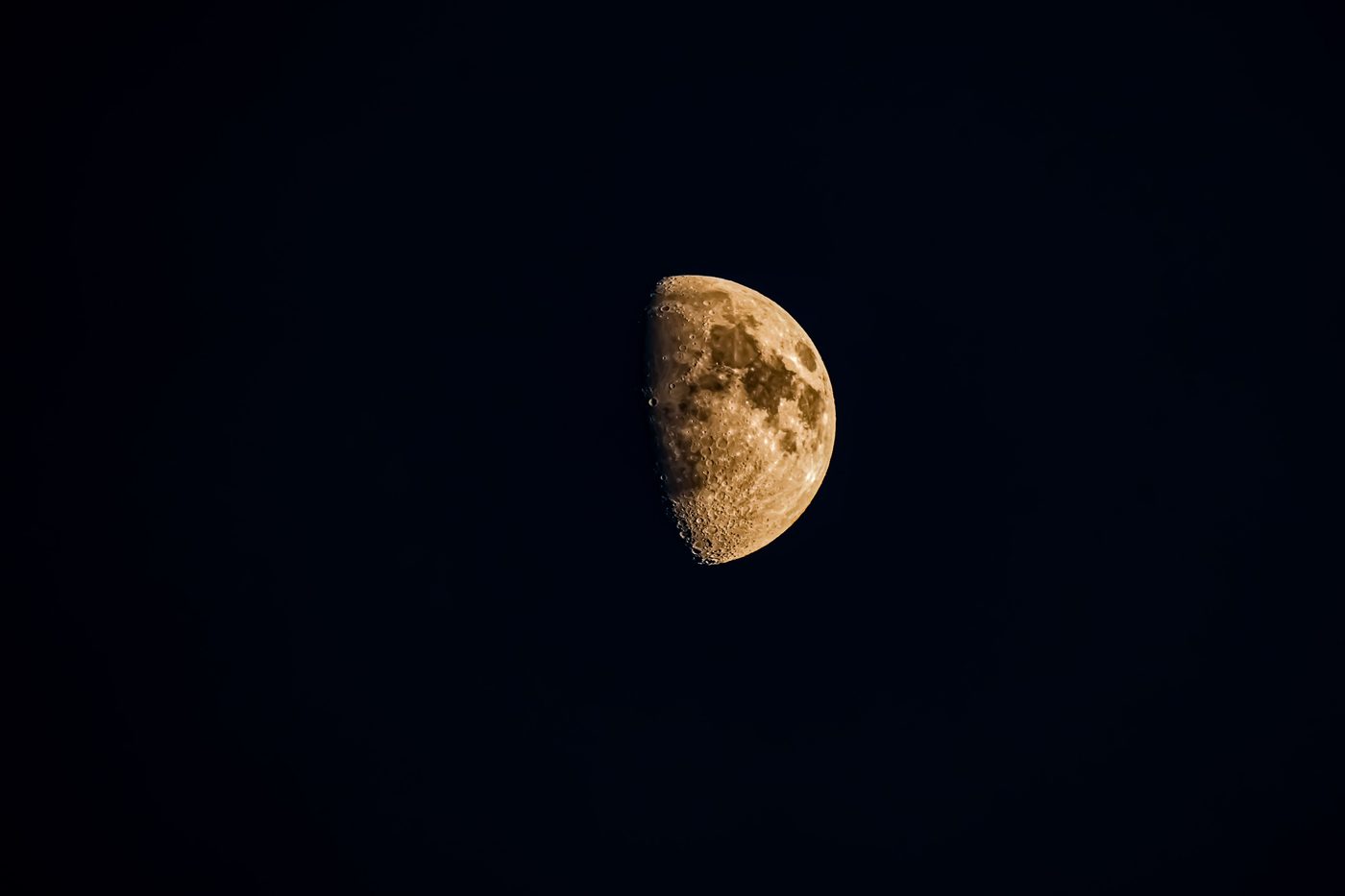
A strange, momentary anomaly in a Canadian forest connects characters separated by five centuries in Emily St. John Mandel's genre-crossing novel, from a 1912 exile to a 25th-century writer on a moon colony. Mandel uses time travel and simulation theory not as pure genre machinery but as a vehicle for genuinely moving questions about whether a life's meaning depends on its permanence. It stands as one of the most literary treatments of speculative fiction's biggest ideas in recent memory.
An Anomaly That Links Five Centuries
The novel's central mystery, a strange flash of darkness and sound experienced by characters across wildly different eras, from Edwardian England to a lunar colony centuries in the future, gives Mandel a structural device for exploring how genuinely disparate lives might be connected by a shared, inexplicable moment.
A Pandemic Novel Written With Uncanny Timing
Mandel had drafted material addressing a fictional pandemic before real-world events overtook her narrative, and the novel's eventual handling of a fictional outbreak reads with an eerie, genuine resonance that she has openly acknowledged as coincidental. This section handles the material with restraint rather than exploiting the parallel.
Simulation Theory as Genuine Philosophical Inquiry
Rather than treating simulation theory as a twist device, Mandel uses it to ask a genuinely serious question: if a life inside a simulation still contains real love, real grief, and real meaning to the person living it, does its simulated status actually diminish that meaning. The novel takes this question seriously rather than resolving it glibly.
Characters Connected Across Time Without Contrivance
Mandel links her disparate protagonists, an exiled aristocrat, a pandemic-era musician, an investigator studying the anomaly, and a moon-colony writer, through careful, patient structural work rather than convenient coincidence. Each connection, once revealed, feels earned by the novel's overall architecture rather than arbitrary.
A Author-Character Who Reflects on Her Own Craft
The novel includes a writer character whose own pandemic novel becomes unexpectedly, uncomfortably relevant to real events, functioning as a genuine act of self-reflection by Mandel about the strange position of an author whose fiction anticipates reality. This section is handled with real wit rather than self-indulgence.
Moon Colonies Rendered With Restrained, Believable Detail
Mandel's 25th-century lunar setting avoids excessive technological exposition, instead focusing on how ordinary human concerns, loneliness, ambition, grief, persist essentially unchanged even in a radically transformed future setting. This restraint keeps the novel's focus on character rather than speculative world-building for its own sake.
Time Travel Used to Interrogate Free Will
As the novel's investigator uncovers the true nature of the recurring anomaly, the narrative raises genuine questions about determinism and whether events witnessed across centuries can actually be altered. Mandel handles these philosophical stakes with clarity rather than technobabble.
Connections to Mandel's Earlier Novels Rewarded, Not Required
Careful readers will recognize characters and settings connecting this novel to Mandel's earlier acclaimed work, though she structures these connections so the novel remains fully comprehensible and satisfying as a standalone read for newcomers.
A Genuinely Hopeful Conclusion About Meaning
The novel's ending arrives at a specific, hard-won hopefulness: that a life's value doesn't depend on its permanence or its context, simulated or otherwise, but on the genuine relationships and experiences that fill it. This conclusion earns its comfort through the philosophical work preceding it.
Literary Craft Applied to Genre Material
Mandel brings the same precise, controlled prose style that earned her acclaim in literary fiction to genuinely speculative material, demonstrating that ambitious ideas about time and simulation can carry the same emotional and stylistic weight as conventional literary fiction.
Pros and Cons
Pros:
- Its central anomaly gives genuinely disparate characters and eras real structural connection
- Its treatment of simulation theory raises serious philosophical questions without glib resolution
- Its eerily timed pandemic material is handled with restraint rather than exploitation
- Its restrained future world-building keeps focus on character over spectacle
- Its conclusion earns genuine hopefulness through real philosophical groundwork
Cons:
- Its multiple timelines and settings require sustained attention to track fully
- Its philosophical pacing moves more deliberately than conventional science fiction
- Its connections to Mandel's earlier novels add depth some readers may not fully access
Frequently Asked Questions
Do I need to read Mandel's other novels first?
No, the novel is fully comprehensible as a standalone, though readers familiar with her earlier work will recognize additional connections.
Is this hard science fiction or more literary fiction?
It leans literary, using speculative elements like time and simulation theory to explore genuinely human questions rather than focusing on technical world-building.
Is the pandemic content in the book explicit or graphic?
It is handled with restraint, focusing more on atmosphere and consequence than graphic detail, despite its uncanny real-world timing.
Does the mystery of the anomaly get fully explained?
Yes, the novel provides a coherent explanation by its conclusion, connecting the various timelines into a satisfying, unified structure.
Final Verdict
Sea of Tranquility earns its bestseller status through Emily St. John Mandel's genuine skill at using speculative devices, time-spanning anomalies, simulation theory, in service of authentically human questions about meaning and connection. Its patient, carefully structured links between five centuries of characters reward attentive reading without relying on contrivance, and its restrained, precise prose brings literary craft to material that could easily have become pure genre spectacle. The novel's eerily timed pandemic content is handled with genuine restraint rather than exploitation, and its conclusion earns real hopefulness through sustained philosophical work. For readers seeking ambitious speculative fiction that never loses sight of genuine human stakes, this novel remains essential reading, and it stands among the most acclaimed literary science fiction of its era.
Rating: 4.5/10